Motorcycle Trip Preparation

Amina Hassan
| 17-08-2026
 · Automobile team
A successful motorcycle trip begins before the engine starts. Preparing the motorcycle, checking essential equipment, and planning the route can help create a more comfortable and organized journey.
A thorough pre-trip inspection focuses on the components that directly affect reliability, control, and convenience.
By working through each area systematically, we can address maintenance needs and prepare for the distance ahead without adding unnecessary complexity.
Check the Tires
Begin with the tires, as their condition directly affects handling and stability. Check the pressure against the motorcycle's specified requirements and inspect both tires for cuts, cracks, uneven wear, or other visible damage.
Pay attention to tread condition and any signs that the tires may require replacement. Addressing worn or damaged tires before departure provides a better foundation for the trip.
Inspect the Brakes
Check the brake pads and other accessible braking components for visible wear. Operate the brake controls and make sure they feel consistent and respond as expected.
Any unusual softness, resistance, or inconsistent response should be investigated before the journey. Braking components should be in appropriate working condition before undertaking a longer ride.
Check the Lights
Test the headlight, brake light, turn signals, and other fitted lights before leaving. Make sure each one operates correctly and inspect the lenses for damage or excessive dirt.
Clean light surfaces when necessary so illumination remains clear and other road users can readily recognize the motorcycle's signals.
Check Essential Fluids
Review the motorcycle's required fluid levels according to its maintenance specifications. Depending on the motorcycle, these may include engine oil, coolant, and brake fluid.
Inspect the surrounding areas for signs of leakage. An unexplained reduction in fluid level or visible leak should be investigated before departure.
Inspect the Chain and Controls
For a chain-driven motorcycle, examine the chain for correct tension, suitable lubrication, excessive wear, and visible damage. Follow the motorcycle's specified maintenance requirements because chain adjustment and lubrication needs can vary.
Next, operate the throttle, clutch, gear controls, and other relevant controls. They should move smoothly without unusual resistance, looseness, or interference.
Check the Battery
Inspect the battery for obvious damage and make sure its connections are secure. If the motorcycle has recently experienced starting difficulties, checking the battery and charging system before a long trip is particularly worthwhile.
Resolving an electrical concern before departure can make the preparation process more straightforward and reduce the likelihood of an unexpected interruption during the journey.
Plan the Route
Review the route before setting out and consider the expected travel time, refueling opportunities, rest stops, and suitable places to pause.
A realistic schedule should include enough flexibility for normal delays and breaks. Good route planning helps keep the journey comfortable without creating unnecessary pressure to maintain a rigid timetable.
Pack the Luggage
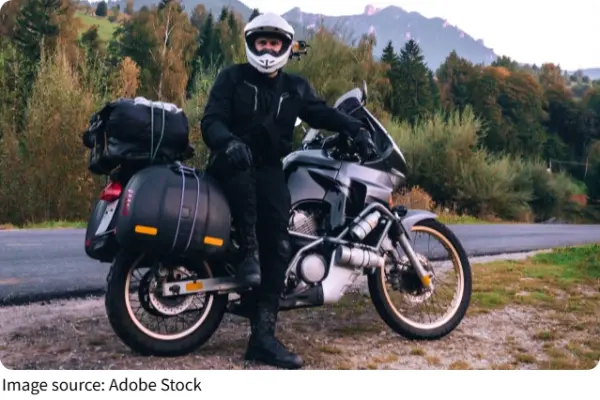
Secure all luggage firmly and follow the loading requirements for the motorcycle and luggage system. Place heavier items appropriately and prevent loose objects from shifting during the ride.
Carry only what is necessary. Essential items may include water, basic tools, personal documents, and appropriate riding equipment. A well-organized load can also make the motorcycle easier to handle.
Prepare Riding Equipment
Choose protective equipment that fits correctly and supports comfortable movement. A properly fitted helmet, protective riding clothing, gloves, and suitable footwear are important components of a rider's preparation.
Before departure, check that the equipment is secure and does not interfere with steering, braking, shifting, or other motorcycle controls.
Complete a Final Walk-Around
After finishing the individual checks, take one final look around the motorcycle. Confirm that the luggage is secure, the lights are working, the tires appear correctly inflated, and the controls function normally.
This final review provides a simple opportunity to catch an overlooked detail before setting off.
Enjoy the Journey
Motorcycle travel preparation is most effective when it is systematic and practical. Checking the motorcycle's essential components, organizing the luggage, preparing appropriate riding equipment, and planning the route can establish a solid foundation for the trip.
The purpose of preparation is not to complicate the experience. It is to ensure that the motorcycle and rider are ready for the journey, allowing more attention to be given to the road, the surroundings, and the experience itself.
Lykkers, a few thoughtful checks before departure can set the tone for the entire ride. Prepare carefully, pack sensibly, plan ahead, and then enjoy the journey.