Beginner Motorcycle Tips

Mukesh Kumar
| 18-08-2026
 · Automobile team
Starting out on a motorcycle takes patience, concentration, and practice. New riders must learn to coordinate the controls, judge speed and distance, anticipate changing conditions, and respond smoothly to the road.
Building these fundamentals from the beginning creates a stronger foundation for confident and controlled riding.
Choose Proper Protective Gear
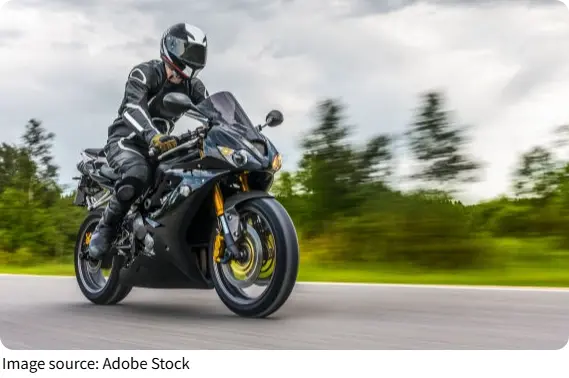
Protective equipment should be worn on every ride, regardless of distance. Essential gear includes a properly fitting helmet, eye protection, a protective jacket and pants, full-finger gloves, and sturdy over-the-ankle footwear.
Choose equipment that fits securely, allows comfortable movement, and is designed specifically for motorcycle use. Proper preparation should become part of every ride.
Develop Strong Visual Awareness
Effective motorcycle riding depends on looking beyond the area immediately in front of the motorcycle. Keep your eyes up, scan ahead, and identify potential changes in the road before reaching them.
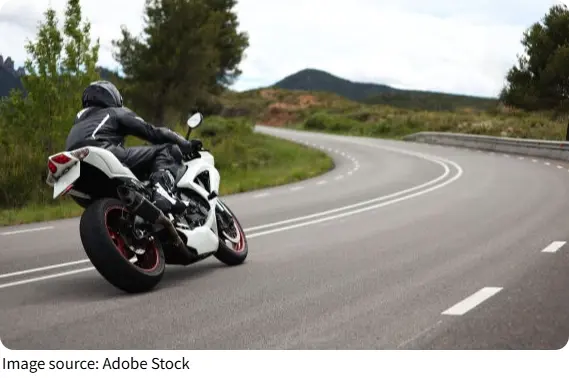
When approaching a turn, look toward the intended path rather than focusing on the edge of the road or an obstacle. This helps maintain a clear sense of direction and supports smoother steering.
Learn Smooth Control
The throttle, clutch, brakes, and gears must work together. Abrupt inputs can make acceleration, stopping, and shifting less controlled, especially while developing coordination.
Practice gradual throttle application, controlled clutch release, progressive braking, and smooth gear changes. Repetition helps establish precise movements that require less conscious effort over time.
Approach Turns Correctly
Cornering starts with selecting an appropriate speed before entering the turn. Look through the curve, maintain a controlled path, and avoid unnecessary changes in speed or direction.
If braking is required during a turn, apply it smoothly and according to the conditions. Sudden braking or steering inputs can affect the motorcycle's stability, particularly while it is leaned over.
Controlled practice in a suitable area can help beginners become familiar with turning, balance, steering, and speed management.
Maintain Space and Visibility
Leave enough space to respond to changing traffic conditions. Avoid remaining in vehicle blind spots, maintain an appropriate following distance, and choose a road position that provides a useful view of surrounding vehicles.
Use signals clearly and early, while continuing to monitor the movements of other road users. Never assume that another driver has seen the motorcycle.
Increase Difficulty Gradually
New skills should be introduced progressively. Higher speeds, passengers, unfamiliar motorcycles, challenging weather, and complex traffic situations can demand abilities that a beginner has not yet developed.
Begin with manageable riding conditions and gradually expand the range of situations as technique improves. There is no advantage in progressing faster than your skills allow.
Complete a Pre-Ride Inspection
A brief inspection can identify problems before setting off. Check the tires, brakes, lights, indicators, controls, fluid levels, and motorcycle stand. Also look for visible leaks or other obvious issues.
Regular practice should include smooth starts, controlled stops, gear changes, low-speed maneuvering, and turns. Structured rider training can further strengthen fundamental techniques and provide useful feedback.
Build Skills Through Practice
Strong motorcycle skills develop through consistent preparation and deliberate practice. Protective gear, visual awareness, smooth control, appropriate cornering, sufficient space, and routine inspections each contribute to better riding technique.
The most effective approach is simple: learn the fundamentals, practice them regularly, and introduce new challenges only when the necessary skills are established. A steady, disciplined learning process gives new riders the best foundation for capable and enjoyable motorcycle riding.