Star Lagoon: A Quick Guide

Rafael
| 13-11-2026
 · Travel team
Hi, readers. Some lagoons look better in photos than in person.
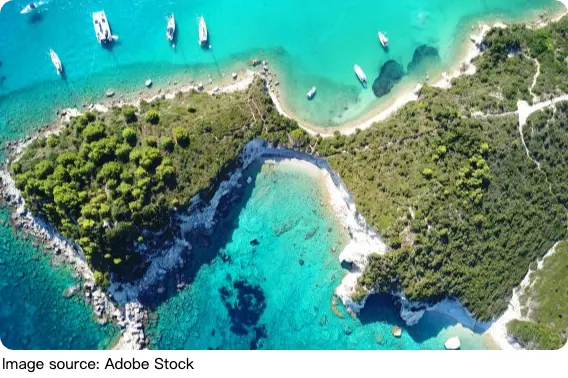
Star Lagoon is the reverse: it's plain from a distance, then you step into water warm as a bath and see the bottom clearly at ankle depth. That's the whole appeal, and it holds up.
Why the shallow water matters
Star Lagoon stays waist-deep across most of its span, which changes how you use it. You don't swim laps here, you wade. The floor is fine sand with scattered patches of seagrass near the eastern edge, and the water clears enough to spot small fish and the occasional starfish without a mask. Families with young kids tend to plant themselves in the middle section, where the depth barely reaches a child's knees for a good 30 meters out. Bring water shoes anyway, since the seagrass patches hide a few rough shells.
Time your visit around the tide
The lagoon is tidal, and low tide exposes a wide sand flat on the western side. That's the window to walk out and see the star-shaped sand patterns people talk about, but it also means the water gets very shallow, sometimes too shallow to wade comfortably. Aim for two to three hours after high tide. The local tide charts posted at the small ranger hut near the entrance are accurate, and the rangers will tell you plainly if the day's timing is off.
Getting there and paying in
Most visitors arrive by the shuttle boat from the main harbor, which runs roughly every 40 minutes and costs about $12 per person round trip. If you're driving, the access road ends at a gravel lot about a 10-minute walk from the shore, and parking runs $5 for the day. Entry to the lagoon itself is $8 for adults, free for kids under six. Bring cash, since the ticket window doesn't take cards and the nearest ATM is back at the harbor.

What to bring and what to skip
Pack reef-safe sunscreen, a hat, and your own water, because the single snack stall near the entrance closes early and sells out fast. Skip the inflatable floats, they're banned inside the lagoon to protect the seagrass. A dry bag is worth the space if you're bringing a phone, and a light long-sleeve shirt helps during the midday stretch when the sun gets direct and the shade is limited to a few palm clusters on the eastern bank.
Quiet hours and crowded ones
Mornings before 10 a.m. are calm, sometimes nearly empty, and the light on the water is at its clearest. From late morning through mid afternoon the shuttle boats stack up and the middle section fills with groups. If you want the sand flat to yourself, go on a weekday and check the tide chart the night before. The lagoon closes at sunset, and the last shuttle back leaves about 30 minutes before that, so don't cut it close.
Star Lagoon isn't a place you conquer in an afternoon, it's a place you slow down in. Check the tide, arrive early, bring cash and water, and let the shallow water do the rest. You'll get more out of two quiet hours here than a full day of rushing between stops.