Valle de la Luna Guide

Zoe
| 20-10-2026
 · Travel team
Hi, everyone. You'd expect a desert park to be flat and forgettable, endless sand and not much else.
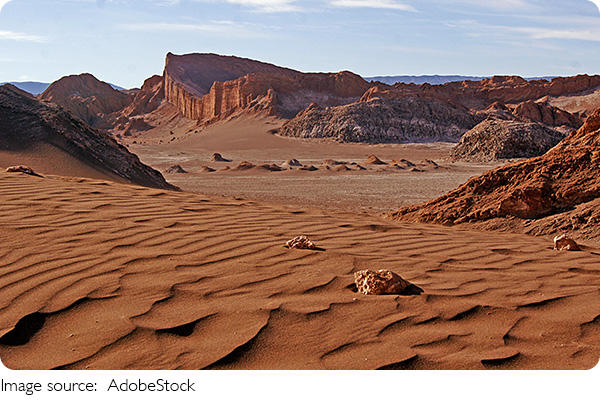
Valle de la Luna, just outside San Pedro de Atacama in northern Chile, does the opposite. Salt formations rise like walls, dunes roll into ridges, and the whole basin sits at roughly 2,500 meters, so even the light behaves differently here.
Why the odd name fits
The name means Valley of the Moon, and it isn't marketing fluff. The landscape is dry salt crust, fractured clay, and rock carved by wind over long stretches of time. You'll walk across surfaces that crunch underfoot and pass ridgelines that look carved rather than natural. NASA has used sections of the Atacama to test Mars rover equipment, and standing in the valley makes that choice easy to understand.
The highlights worth your time
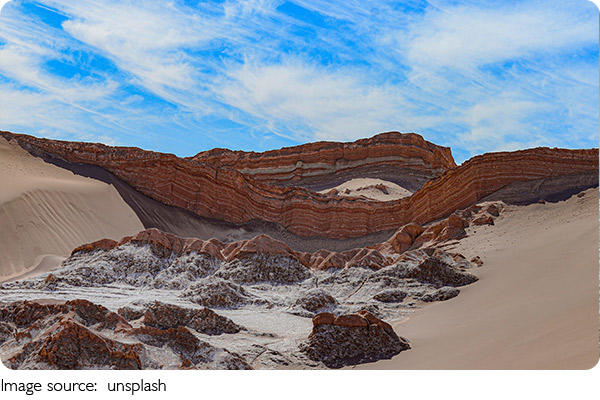
Start with the Cordillera de la Sal, the salt mountain range that frames the park. Then head for Tres Marias, a set of three rock pillars that have become the valley's signature photo stop. The Duna Mayor is the big dune, and climbing it takes real effort at this altitude, but the view over the basin rewards it. If you have the energy, the Valle de la Muerte (Death Valley) sits nearby and offers sandboarding on steep, soft slopes.
Timing your visit around the light
Most people arrive in the late afternoon for one reason: the sunset. From the ridge above the valley, the distant Licancabur volcano turns orange, then pink, then deep red as the sun drops. It's the most photographed moment in the region. Go early in the day instead and you'll get cooler temperatures and far fewer people, which suits the walking sections better.
Costs and getting there
The park sits about 13 kilometers from San Pedro de Atacama, and there's no public transport to the entrance. Most visitors book a tour from town, which typically runs $25 to $40 per person and includes transport and a guide. Entrance fees are separate and modest, usually a few dollars. You can also rent a car, but the roads inside are sandy and rough in places. Bring cash for the gate.
What the altitude asks of you
San Pedro sits at around 2,400 meters, and the valley climbs higher. You'll feel short of breath on the dunes faster than you expect. Drink water steadily, skip the steep climb if you're feeling lightheaded, and give yourself a full day in town to adjust before tackling the higher viewpoints. Afternoon tours often finish after dark, so pack a warm layer, because temperatures drop quickly once the sun is gone.
The takeaway is simple: treat Valle de la Luna as a late afternoon trip, bring layers and water, and let the sunset be the finale rather than the whole point. The walking and the rock formations earn the visit on their own. Next time you plan a desert stop, put this one on the shortlist.