Uluru: Plan Your Visit

Lucas Schneider
| 20-10-2026
 · Travel team
Hi, let's get started. Most people plan a Uluru trip around one photo of the rock at sunset, then book the first tour they find.
That works, but it leaves a lot on the table. The place is a full national park with walks, waterholes, and a cultural centre, and the difference between a rushed afternoon and a good two days comes down to a few practical choices you can make before you fly in.
Why the rock rewards patience
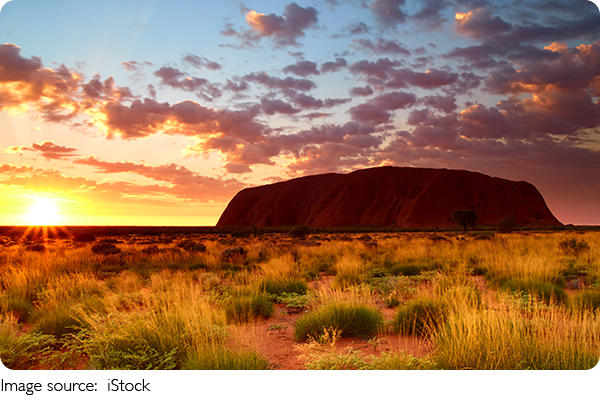
You can see Uluru from the car park in five minutes. The better move is to spend a full morning on the base walk, a 10.6 km loop that takes most people around three to four hours at an easy pace. Along the way you pass Mutitjulu Waterhole, a shaded pool tucked into a gap in the rock, and the Kantju Gorge area near the climb point. Do not just circle it and leave. The rock changes colour and texture section by section, and the short ranger talks near the cultural centre fill in the stories behind what you're looking at.
What to see beyond the rock
Kata Tjuta, about 50 km west of Uluru, is the other half of the trip and plenty of visitors skip it. The Valley of the Winds walk there runs roughly 7.4 km and takes you between domes that dwarf anything on the main rock. If you have time for one more stop, the Walpa Gorge walk is shorter at 2.6 km and easier on the legs. Book a spot in the Uluru base walk and the Kata Tjuta tracks early if you're visiting in the cooler months, because guided numbers are capped.
Getting there and getting around
Fly into Connellan Airport, which sits about 20 minutes from the resort area by shuttle. There's no public bus network out here, so you'll want either a rental car or a seat on one of the organised coach transfers that run from Yulara to the park entrance. A park pass costs around $25 USD per grown-up and covers three days, so you don't need to rebuy it each morning. Drive times inside the park are short but the roads are unlit, and wildlife moves at dusk, so plan your last drive back before dark.

Timing, costs and a few rules
May to September is the busy window, with daytime temperatures around 20 to 25 C and cold nights that can dip near freezing. October through March gets brutally hot, often past 40 C, and some walks close when the heat bites. A mid-range room in Yulara runs roughly $200 to $300 USD a night, and campground spots are far cheaper if you're self-sufficient. One planning tip that saves real grief: carry at least three litres of water per person on any walk, and start before 8am in the warmer months. Also respect the signs asking you not to photograph certain sites, and don't pocket any rocks.
You don't need a week here, but you do need more than a drive-by. Build in the base walk, one Kata Tjuta track, and an early start, and the trip pays you back. Next time you're mapping a red centre route, put the water and the timing first and let the photos happen on their own.