Torres del Paine Made Simple

Zoe
| 13-11-2026
 · Travel team
Hello, readers. Most people plan a Torres del Paine trip by staring at photos of the granite towers and booking the first tour that pops up.
That works, but it usually means paying more and seeing less. A little structure goes a long way here, because the park is big, the weather shifts fast, and the distances between trailheads are longer than they look on a map.
Getting there takes planning
The park sits in Chile's Magallanes region, roughly a two-hour drive north of Puerto Natales. Buses run from Puerto Natales to the Laguna Amarga entrance most mornings, and the ride costs around 20 to 30 USD round trip depending on the operator. From there, a shuttle takes you to the Hotel Las Torres area for the classic day hike to the base of the towers. If you're driving, fill up in Puerto Natales, because fuel inside the park is limited and pricey.
The hikes worth your legs
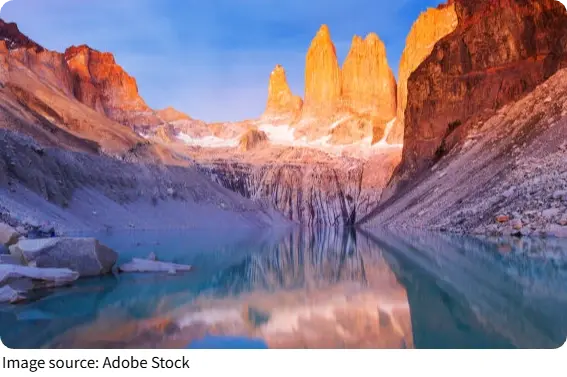
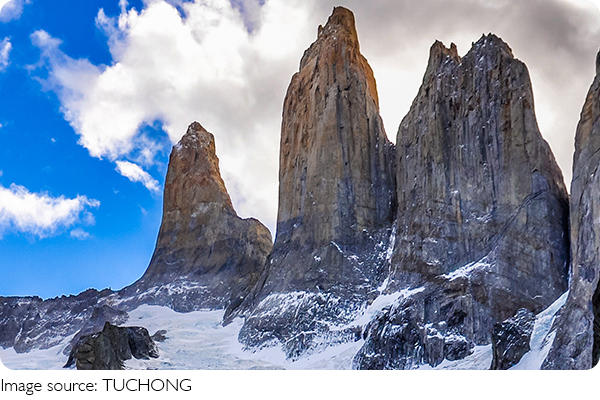
The Base of the Towers trail is the one everybody talks about, and it earns the hype: about 19 kilometers round trip, 8 to 10 hours, finishing at a glacial lake right under three granite spires. But don't sleep on the French Valley, a section of the W trek that gives you hanging glaciers and a wide view across the Paine massif. And the Grey Glacier lookout is a shorter option if your knees are already complaining. The full W trek runs 4 to 5 days and typically costs 800 to 1,200 USD with a guided outfit, or far less if you carry your own gear and book refugios separately.
Weather sets the rules
Patagonian wind is not a rumor. Gusts in the park regularly hit 80 kilometers per hour, and rain can arrive in ten minutes on a clear morning. Pack layers you can remove fast: a base layer, a fleece, and a hard shell. Skip the cotton. The park's official season runs from November through March, when days stretch past 9pm and temperatures sit around 10 to 15 Celsius. July is cold and quiet, with many services closed.
Where to sleep and what it costs
Refugios inside the park run about 60 to 120 USD per night with meals included, and they book out months ahead for the peak season. Camping is cheaper, often 15 to 25 USD per site, but you need your own tent and stove. Puerto Natales is the base town for a reason: hostels there go for 25 to 50 USD a night, and you can rent gear for a fraction of buying it. Book your park entrance ticket online before you arrive, since the rangers check it at the gate.
A few practical habits
Carry cash in Chilean pesos, because card readers fail in the cold and the wind. Bring a refillable bottle and treat your water from streams. And build one rest day into your schedule, because the park rewards patience more than speed. You'll see more wildlife, including guanacos and the occasional condor, when you're not rushing between viewpoints.
You don't need to be an expert mountaineer to enjoy Torres del Paine, but you do need to respect the scale of it. Book early, pack for four seasons in one afternoon, and give yourself room to slow down. The towers will still be there when you catch your breath.