Licancabur: 19,400-ft Summit

Margot
| 13-11-2026
 · Travel team
Hello there, readers. Licancabur is a perfectly shaped cone that rises to 19,409 feet on the border of Chile and Bolivia, and it looks like the kind of mountain you'd only see in a painting.
But reaching its summit is not a casual day hike. You need acclimatization, a permit, and a clear plan for the altitude.
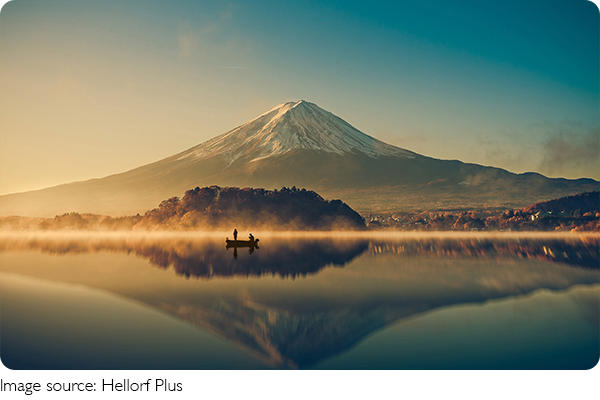
Why the shape draws you
Licancabur is a stratovolcano, and its cone is one of the most symmetrical in the Andes. The mountain sits just east of San Pedro de Atacama, and from the town's main street you can see the whole profile. That view is what pulls people in. The summit crater holds a small lake, one of the highest lakes on Earth at roughly 19,000 feet, and it's a strange, quiet place to stand. The climb is mostly non-technical, but the altitude is the real challenge.
Getting there and the base town
Most people base themselves in San Pedro de Atacama, a small town in northern Chile's Antofagasta region. You fly into Calama's El Loa airport, then take a bus or shuttle for about 90 minutes to San Pedro. From town, the trailhead is roughly 45 minutes by vehicle toward the Bolivian border. A 4x4 is your best bet, and many trekkers hire a local guide who handles transport and permits. Expect to pay around $150 to $300 per person for a guided summit attempt, which usually includes the drive, a guide, and basic gear.
Acclimatizing before you climb
Do not just fly in and start walking. San Pedro sits at 7,900 feet, and the summit is 11,500 feet higher. Spend at least three or four nights in town before your attempt. A good plan is to do shorter hikes first: the Valle de la Luna trails, or a day trip to the El Tatio geysers at 14,000 feet. That gradual exposure matters. Many guided trips start the summit push around 4 a.m. from a high camp near 14,500 feet, so you climb in the cold and reach the top by mid-morning.
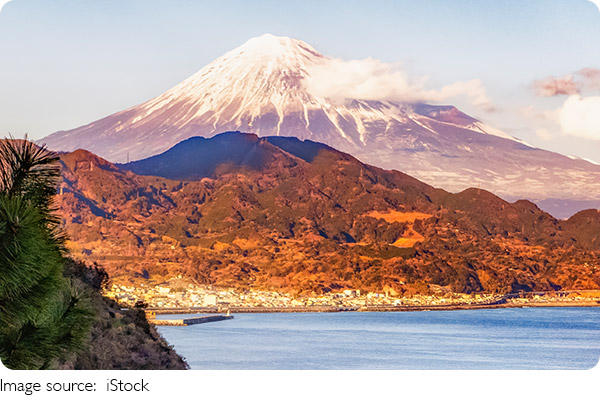
What the climb actually asks
The route is a long walk on loose scree and rock, with some steeper sections near the top. No ropes or technical gear are needed, but you'll want sturdy boots, layers, and sunglasses. The wind can be brutal, and temperatures at the summit often sit near freezing even when San Pedro is warm. Watch for altitude symptoms: headache, nausea, shortness of breath. Turn around if they get worse. The crater lake is the reward, and the view into Bolivia stretches for miles.
Timing and booking details
The best window is the dry season from April to October, when skies are clear and the trails are firm. Book your guide at least a few days ahead in San Pedro, and confirm that your permit for the border zone is included. Bring cash for park fees, which run around $10 to $20. Check the forecast the night before, and don't commit if the wind is forecast to be strong.
The mountain rewards patience more than fitness. Give yourself the acclimatization days, pick a reputable guide, and the summit will feel earned. Next time you look up at that perfect cone from San Pedro, you'll know exactly what it takes to stand on top.