Oruro: High-Altitude Bolivia

Mei
| 11-11-2026
 · Travel team
Welcome, everyone. Oruro Department sits at 3,700 meters in the Bolivian altiplano, and most travelers treat it as a quick stop between La Paz and the Uyuni salt flats.
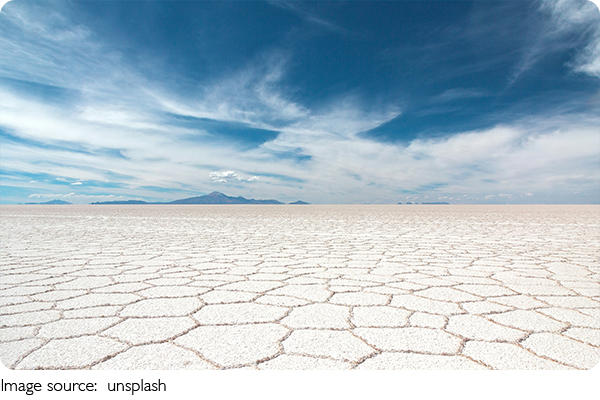
That's the expected move. Instead, give it three or four days and you'll find one of the most distinct regions in the Andes, with working silver and tin mines, a carnival that draws hundreds of thousands, and landscapes that shift from red rock to white salt within a few hours.

Why the altitude sets your pace
Oruro city sits at roughly 3,700 meters (12,140 feet), and that number should shape your first 24 hours. Don't plan a full day of walking on arrival. Check into your hotel, drink water, and take a short loop around the Plaza 10 de Febrero to see how your body responds. Most visitors adjust within two days, but the thin air catches people who rush. Coca tea is everywhere and helps some travelers; it's sold in bags at the Mercado Fermín López for about 10 bolivianos (around $1.50 USD).
What the mines actually show you
The Cerro San José mine above the city is still active, and guided tours take you into the upper tunnels. You'll see the mine's statue of El Tío underground, the figure miners leave offerings to, and you'll walk past mineral veins of silver and tin that have been worked since the early settlement period. Tours run most mornings and cost around 100 to 150 bolivianos (roughly $15 to $22 USD). Wear a jacket and closed shoes. The tunnels are cold and the ceilings are low in places.
The carnival that defines the city
Oruro's Carnaval is one of Bolivia's largest cultural events, held in the days before Lent and drawing around 400,000 people. The Diablada dance, with its horned masks and heavy embroidered costumes, is the centerpiece, and the procession route runs for about four kilometers past the sanctuary of Socavón. Book accommodation weeks ahead if you're coming for it. Outside carnival season, the Museo Antropológico in the city center displays masks and costumes from past years, and it's a quieter way to understand what the parade is about.
Getting there and moving around
Oruro has an airport at Juan Mendoza, but most travelers arrive by road. Buses from La Paz take about three and a half hours on the paved highway and cost around 30 to 50 bolivianos ($4 to $7 USD). From Oruro, buses and shared taxis head west toward Uyuni and the salt flats, a trip of roughly six to seven hours. Within the city, taxis are cheap and metered loosely, so agree on a fare before you get in. For day trips to Lake Uru Uru and the surrounding wetlands, hiring a driver for half a day runs about 200 bolivianos ($28 USD).
Planning around the seasons
The dry season from May to October brings clear skies, cold nights that drop below freezing, and reliable road conditions. The wet season from December to March turns parts of the salt flats into reflective water, which many photographers prefer, but it can also close rural roads. Pack layers either way. Daytime temperatures in Oruro can reach 18°C (64°F) while nights fall to -5°C (23°F), so a warm hat and gloves are not optional.
Where to stay and what to budget
Central hotels near the plaza run about $25 to $45 USD per night for a double room, and a basic hostel bed costs around $10 USD. A comfortable mid-range option with heating, which matters at this altitude, sits closer to $50 to $70 USD. Budget around $30 to $50 USD per day for food, local transport, and entry fees if you're traveling independently. Carry cash in bolivianos; card acceptance is limited outside the main hotels.
Oruro rewards the traveler who slows down and lets the altitude set the schedule. Give it more than a transit stop, spend a morning underground at Cerro San José, and time your visit around the carnival if you can. The highlands here do not perform for a rushed itinerary, so build in a rest day and let the place unfold at its own pace.