Atacama Desert Travel Guide

Samir
| 20-10-2026
 · Travel team
Hello there, readers. Some deserts are hot, flat, and forgettable.
The Atacama is not one of those. It runs along northern Chile for roughly 1,000 kilometers, sits at high altitude, and holds the title of the driest non-polar place on the planet. You'll find salt flats, geysers, and night skies so clear that major observatories built here on purpose.
Why the altitude matters
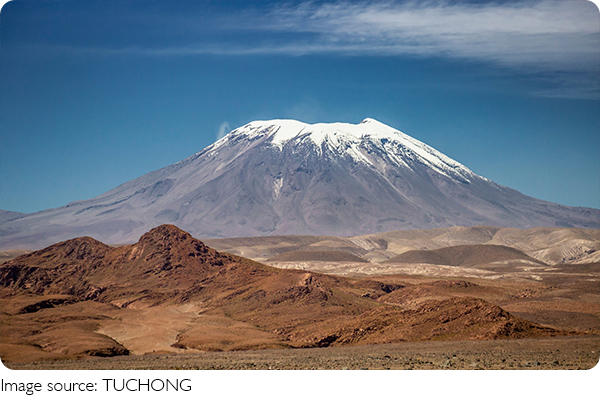
Most of the classic stops sit between 2,300 and 4,300 meters above sea level. San Pedro de Atacama, the main base town, is at about 2,400 meters. That's manageable, but the geyser field at El Tatio sits near 4,300 meters, and tours leave around 4 a.m. to catch the steam at first light. Give yourself a full day in San Pedro before booking anything high. Drink more water than you think you need, and skip the big hike on day one.
The highlights worth your time
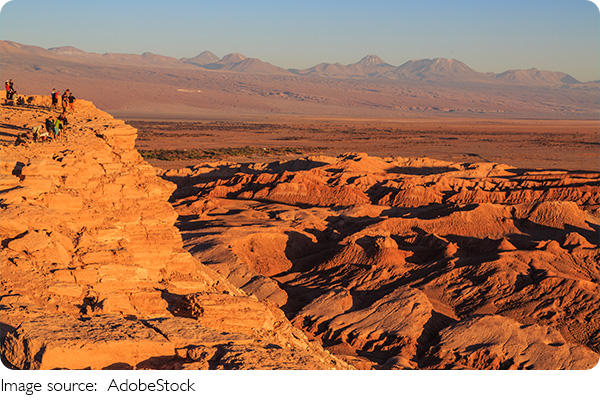
Valle de la Luna is the one everyone photographs, and it earns the fuss, especially at sunset when the salt ridges turn orange. The Miscanti and Miñiques lagoons sit higher up and draw fewer crowds, with two deep blue lakes framed by volcanoes. Then there's the flamingo colony at Chaxa Lagoon in the Salar de Atacama. El Tatio geysers are the third stop most people lock in, though the early start is brutal. Pick two or three of these, not all of them in two days.
Getting there and around
Fly into Calama's El Loa airport, which handles daily flights from Santiago, then take a bus or shuttle the remaining 100 kilometers to San Pedro. The ride takes about 90 minutes and a shared shuttle typically costs around $15 to $25 per person. Once you're in town, you don't rent a car unless you're comfortable with dirt roads and altitude. Most people book guided day tours, which range from $40 to $90 depending on the destination and whether meals are included.
Costs and timing
Budget roughly $50 to $120 a night for a mid-range guesthouse in San Pedro, and expect tour prices to add up fast if you book several. A realistic daily spend lands near $150 to $200 once you factor in tours, meals, and park entry fees, which run a few dollars at each site. Go between April and October for cooler daytime temperatures and clearer skies. January and February bring the altiplano winter, which means afternoon rain and sometimes flooded roads.
Before you go
Book your first two nights of accommodation ahead, because San Pedro fills up and walk-ins get stuck with whatever's left. Bring layers, a wide-brim hat, and high-SPF sunscreen, since the UV at this altitude is no joke. Cash helps in town, as some small operators don't take cards. And pack a warm jacket even in summer, because nights drop close to freezing.
The Atacama rewards slow planning more than most places. Get acclimated, pick fewer stops than you think you want, and let the altitude set your pace. Book the shuttle from Calama early and you'll start the trip on solid footing.