Moskenesøya Island Guide

Rafael
| 11-11-2026
 · Travel team
Hello, friends. Moskenesøya looks tiny on a map of Norway, a thumb-shaped island at the far end of Lofoten.
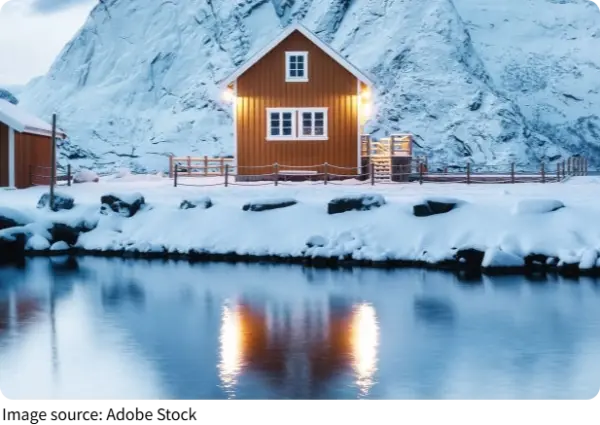
But you don't just pass through it on the way somewhere else. It's the destination itself, with fishing villages stacked against the water and granite peaks rising straight from the shoreline.
Getting There Takes Planning
The usual arrival is the ferry from Bodo to Moskenes, a crossing of roughly three to four hours depending on the vessel. Foot passengers pay around 20 to 30 USD, while a car with two people runs closer to 100 to 150 USD, so book ahead in summer because the car decks fill fast. You can also drive in from Svolvær along the E10, which is the simpler option if you're already touring the islands by road. Either way, plan your arrival around the weather. Ferries get delayed when the sea turns rough.
Villages Worth Your Time
Reine is the one most people photograph, and it earns the attention. The view from the Reinebringen ridge above the village is the classic shot, reached by a stone staircase of around 1,500 steps built by Sherpas from Nepal. It's steep and takes most people 45 minutes to an hour to climb. Then there's Å, at the very southern tip, a preserved fishing village with red rorbu cabins and a stockfish museum that explains how dried cod built this whole region. Hamnøy sits between the two, small but photogenic with its bridge and harbor.
Trails Beyond the Famous One
Reinebringen gets the crowds, but the island has quieter routes. The walk to Bunes Beach on the western side starts with a short boat ride from Reine, then a 2 to 3 km hike over a low pass to a wide sandy bay backed by cliffs. No road reaches it, which keeps numbers down. For something gentler, follow the coastal path around Sørvågen and the old telegraph station that once linked these islands to the mainland.
Costs and When to Go
Budget for a rorbu cabin at roughly 150 to 250 USD per night in summer, or a hostel bed closer to 50 to 70 USD. Food is expensive, so many travelers stock up in Leknes before driving south. June through August gives you the midnight sun and long hiking days, but also peak prices and busy ferries. September still works for trails and costs less, though daylight shortens quickly.
Practical Tips Before You Go
Bring rain gear no matter the forecast, because the weather here shifts by the hour. Carry cash for small village shops, as some card readers fail in remote spots. And check the ferry schedule the night before you leave, since off-season departures drop to just a couple per day. If you're driving, fill the tank in Leknes, because the southern stations are few and pricey.
Moskenesøya rewards the traveler who slows down and plans the ferry and the trailheads in advance. Get your crossing booked and your boots ready, and the island does the rest.