Laguna de los Tres Guide

Hiro
| 11-11-2026
 · Travel team
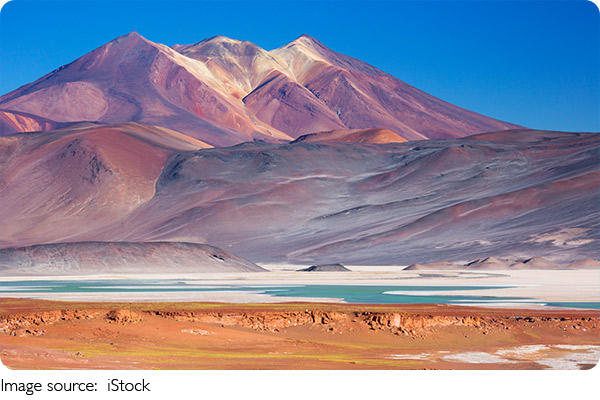
Welcome to today's article. Most people see the photo of Laguna de los Tres and assume the hike is a gentle walk to a pretty lake.
It isn't. The final stretch is a steep, loose scramble that gains roughly 400 meters in about the last kilometer, and that's the part that decides whether you enjoy the day or just survive it.
Where the trail actually starts
The hike begins from El Chaltén, a small town in Argentine Patagonia that sits inside the boundaries of Los Glaciares National Park. You don't need a guide or a permit for a day hike here, which surprises a lot of first-timers. From town, most hikers walk to the trailhead at Río Blanco, about 3 kilometers on a marked path, or take a shuttle for a few dollars to save the road section. The full route to the lake and back runs around 20 to 22 kilometers depending on where you start counting, so plan on a full day out.
The long, easy middle
Here's the part nobody warns you about: the first 10 kilometers are mostly flat and shaded, following the Río Blanco through lenga forest. It's genuinely pleasant, and it lulls you into thinking the hard work is behind you. It isn't. You pass the Campamento Poincenot area around the 9-kilometer mark, where many people pitch a tent and split the hike over two days instead. That's a smart move if you want to catch sunrise on Fitz Roy without starting in the dark.
The last hour that hurts
The final push from Poincenot to the lake is where the trail turns serious. It's steep, rocky, and often loose, with a section near the top that requires using your hands on the rock. Budget 45 minutes to an hour for this stretch alone, even if you're fit. Trekking poles help on the way down more than up. Wind at the top can be strong enough to knock you off balance, so layer up before you break out of the trees.

What you get at the top
Laguna de los Tres sits directly below Mount Fitz Roy, and on a clear day the water holds a color that's hard to describe without sounding exaggerated. The lake itself is glacial, cold, and framed by the granite spires. You'll also see the smaller Laguna Sucia just below to the side, a stop many hikers skip because they're already tired. Give yourself at least 30 minutes at the top to rest and let the clouds move, because Fitz Roy is famous for hiding behind them.
Timing, costs, and what to carry
Start early, ideally before 7 a.m., so you're not descending in fading light. The hike is free, but the shuttle from El Chaltén to Río Blanco runs around $5 to $10 USD each way depending on the operator. Carry at least 2 liters of water per person, though you can refill from streams along the way. Pack layers, a rain shell, and food. The weather shifts fast, and a sunny morning in town doesn't guarantee anything at 1,100 meters.
Before you commit to it
Check the forecast the night before, but don't trust it completely. Local guides will tell you Patagonian weather changes hourly, and they're right. If your knees struggle on steep descents, plan for a slow return and bring a headlamp just in case. And if you're unsure about the final scramble, camp at Poincenot and tackle it with fresh legs in the morning.
The lake rewards the effort, but the effort is real, and knowing where it hits helps you pace the whole day. Next time you're lacing up for a long one, remember that the hard part usually comes last, and that's exactly where your preparation pays off.