Verbier: A Practical Guide
Santosh Jha
| 11-11-2026
 · Travel team
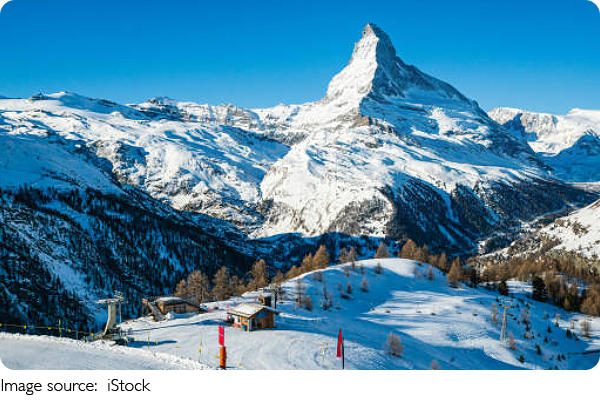
Hello, everyone. Verbier sits high on a sun terrace above the Val de Bagnes in southwest Switzerland, and it has a reputation that arrives before you do.
The name shows up in freeride films, in ski-racing coverage, and in conversations among people who take their winter seriously. But you don't need to be an expert skier to get something out of it. The village works for families, for beginners, and for anyone who just wants a few days of big views and clean mountain air.
Why Verbier draws people in
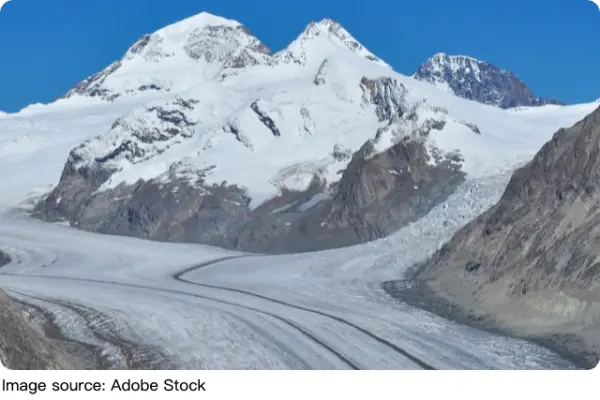
You'll hear Verbier described as a freeride capital, and the terrain backs that up. The Mont Gele cable car drops you at around 3,000 meters, and from there the options range from wide open faces to tight couloirs. The Bec des Rosses, a steep face above the village, hosts the Xtreme Verbier freeride competition each spring. That's the headline. What's less talked about is how much intermediate terrain sits below it, with long groomed runs off Les Ruinettes and Savoleyres that suit confident cruisers fine.
Getting there and getting around
Most people fly into Geneva and take a train to Le Chable, the valley station at the bottom, then ride the gondola up to Verbier itself. The whole trip from Geneva runs roughly two and a half to three hours by train. Once you're in the village, you don't need a car. Local buses connect the main stops, and the ski lifts are walkable from most central accommodation. If you're driving, note that Verbier is largely car-free in the core, and parking fills up fast on weekends.
What a lift pass actually costs
A one-day grown-up pass for the Verbier sector runs around 80 USD in peak season, with multi-day passes bringing the per-day price down. A six-day grown-up pass typically lands somewhere near 400 USD. Kids and seniors pay less. Check whether your pass covers the full Four Valleys area or just Verbier, because the difference matters if you plan to ski over toward Nendaz or Thyon. Many hotels and rental agencies bundle passes with accommodation, and that's often the cheaper route.
Where to focus your days
Start with Savoleyres if you want quieter slopes and a warm-up. It's on the far side of the valley, less crowded than the main Attelas side, and the runs back down are forgiving. Move to Les Ruinettes and Attelas once your legs are ready, then take the Mont Gele cable car for the serious stuff. Off the snow, the village has a compact center with shops and a sports center that includes a pool. The thermal baths at nearby Lavey are a solid half-day trip if the weather turns.
Timing your visit well
Peak weeks around the holidays and school breaks push prices up sharply and crowd the lifts. Late January and early March tend to be quieter, with decent snow still on the upper slopes. Spring skiing in April is warmer and cheaper, though lower runs get slushy by afternoon. Book accommodation at least two months ahead for those quieter windows, and check lift opening dates before you commit, since some sectors close earlier in the season than others.
Verbier rewards a bit of planning more than most resorts, simply because the terrain is so spread out and the costs add up quickly if you don't bundle things. Get your pass sorted with your lodging, base yourself near a bus stop, and give yourself one clear day on the Savoleyres side before chasing the high stuff. Do that, and the village delivers exactly what its reputation promises, with a little breathing room left over.