Lago Belgrano, Up Close

Arjun Mehta
| 24-10-2026
 · Travel team
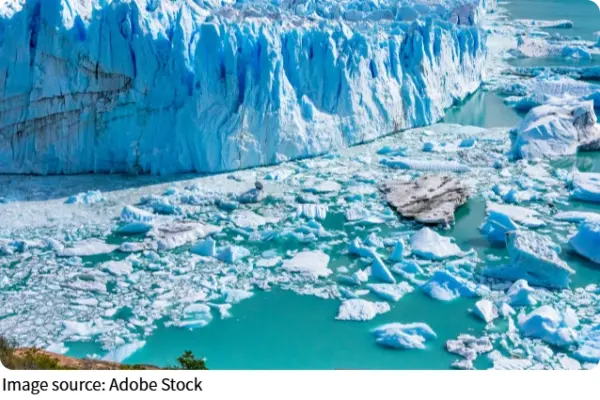
Welcome, Patagonia walkers. Lago Belgrano sits within Perito Moreno National Park, where a pair of peninsula circuits and a lakeside overlook offer different ways to spend time on foot.
The lake's northern water can look pale and opaque where glacial rivers enter it, while other shores show different colors. There is no road encircling the whole lake, so choose your trail and overnight stop before setting out. The park is remote, with long gravel stretches and few services once you leave town.
Choose a Lake Walk
The Belgrano Peninsula circuit is the clearest option for a day focused on the lake. Its shorter loop covers about 9.6 kilometers and takes three to four hours at a moderate difficulty rating. It crosses the peninsula's gently rolling ground and returns to the same trailhead, which makes planning simpler than a point-to-point walk. Carry food and water for the full outing.
The longer peninsula loop covers about 16.8 kilometers, is rated difficult, and takes roughly five to six hours. It follows more of the western and southern shores, so weather and wind deserve a larger role in the decision. A separate Lago Belgrano overlook trail is about eight kilometers, moderate, and estimated at two to three hours. Check the current park map and trail status before choosing between them.
Reach the Remote Shore
Gobernador Gregores is about 220 kilometers from the park by the main approach, and the final 90 kilometers are gravel. Expect roughly three to four hours of driving from town, then allow further time for the park's internal roads to reach the lake trailhead. There is no regular bus service from nearby towns to the park. A rental car or prearranged transport is central to the plan.
Fill the tank and buy provisions before leaving town. Park information warns visitors to carry extra fuel because destinations and trailheads are spread across more than 90 kilometers of internal roads. A suitable vehicle, spare tire, repair equipment, paper directions, and offline navigation add useful backup. Mobile coverage is limited, and conditions can change with wind, rain, or snow, so check road and opening updates before departure.
Stay Near or in Town
A place in one of the park refuges is listed at about US$45 per person per night for the 2026–27 season, plus a US$3 per-person service charge each night. These refuges have limited capacity and require advance booking; guests share the sleeping space and bring their own basic equipment. This option suits walkers planning a route across several days, but it is not a full-service lodge stay.
Park campsites cost about US$16 per site per night, plus US$3 per person for the nightly service charge. One site accommodates up to four people in one tent, so a group can spread the site cost, while solo travelers pay the same site fee. Facilities are basic and self-sufficiency is required. Hospedaje San Andres in Gobernador Gregores has selected one-night examples around US$40.50 for two. A town room offers meals, shops, and fuel nearby, but the long drive makes it better for the night before or after the park than for daily lake visits.
Prepare for a Full Day
The park operates seasonally, generally from October through April, and visitor access can open gradually. Confirm that the lake sector and its road are open for your dates; a park-wide season does not guarantee every track is ready. Park entry is currently listed as free, but visitors still need to register at the Onelli information center and reserve overnight sites separately. Bring proof of reservations and check current visitor instructions before travelling.
Allow more than the trail's estimated walking time for stops, wind, and the drive between the information center and trailhead. The park recommends planning each route around your experience and equipment. A shorter loop gives more margin if the weather changes; the longer circuit needs a full daylight window. Pack layers, sun protection, food, water, and a way to carry out all rubbish. Fires are prohibited, and cooking at campsites requires a portable stove.

Decide whether you want a simple lakeside walk or a multi-day peninsula route, then reserve the matching place to sleep. With road, fuel, and trail conditions checked in advance, Lago Belgrano can be a rewarding centerpiece of a wider stay in this remote part of Santa Cruz.