Jökulsárlón Icebergs

Chris Isidore
| 25-10-2026
 · Travel team
Hello, Iceland road-trippers. Jökulsárlón Glacier Lagoon is easiest to enjoy when you decide first whether shore viewing is enough or a seasonal boat trip fits your schedule. Icebergs drift through the lagoon toward the coast, and their shapes and color vary with light and weather.
The public shoreline is accessible throughout the year, while boat tours depend on season, water conditions, and operator schedules. Because the lagoon lies far from Reykjavík, an overnight stop nearby can make the visit calmer and reduce pressure to drive a long distance after dark.
See It From Shore
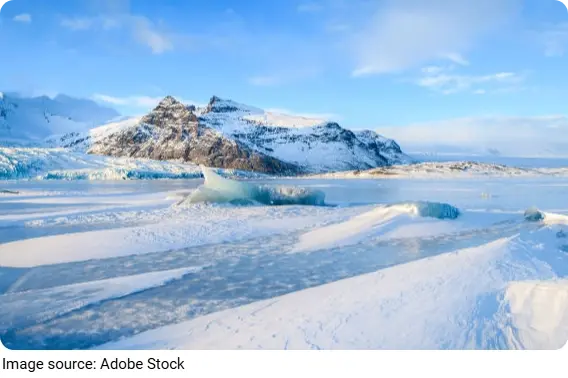
Start at the lagoon’s public viewpoints and allow time to watch the ice move through the water. The nearby shore offers a different perspective, with smaller pieces of ice sometimes reaching the black sand. Conditions change continually, so keep a safe distance from the water and do not climb onto ice. The lagoon is reached directly from Iceland’s Route 1, making it a natural stop on a southeast-coast road trip.
Parking is about US$8 per vehicle according to 2026 visitor cost information, while entry to the shoreline itself is free. Follow posted parking instructions and pay through the current system used at the site. The café operates seasonally by hours, with shorter opening times in winter. Bring warm layers and allow extra time for wind, rain, or poor visibility; a pleasant stop can take longer than the drive-time estimate suggests.
Consider a Boat
The amphibian boat ride takes roughly 30 to 40 minutes and has a 2026 standard fare of about US$58 per person. Zodiac trips are longer and cost about US$136 per person, with age and height conditions applying. Both are seasonal activities, and the Zodiac season generally ends earlier; weather and ice conditions can cancel departures. Check the operating calendar for your exact day before structuring the route around a tour.
The boat is an optional extra, not a requirement for seeing the lagoon. Reserve ahead in peak summer, but keep a shore-viewing plan for a cancellation or a late arrival. Warm clothing is useful even on a short trip, and visitors should follow crew instructions throughout boarding and sailing. If you are traveling outside the operating season, use the saved tour budget for an extra night, meals, or a slower stop along the coast.
Plan the Drive
The lagoon is roughly 370 kilometres east of Reykjavík, so a same-day return would involve a long drive before local stops. Many visitors divide the route with a night near Hali or Höfn. Fuel availability is limited compared with a city, and weather can change road conditions quickly; keep the tank topped up and check road and weather reports before departing.
The lagoon, nearby shore, and local viewpoints can be combined without rushing if you arrive with daylight. Do not try to fit a boat tour, multiple glacier stops, and a long return drive into one afternoon. If conditions worsen, stay on the main road and use a lodging base rather than attempting a late arrival. A flexible itinerary is especially helpful in autumn and winter when daylight is shorter.
Compare Overnight Stays
Guesthouse Gerði is a practical nearby base; on a selected date it was US$184 total per night for two, with parking included and breakfast available for an extra charge. Hali Country Hotel, farther along the same region, was US$294 total per night for two on a selected date, including taxes and fees. Fosshotel Glacier Lagoon offers a more full-service stop; a standard double was US$250 total per night for two in a one-night sample, with breakfast extra.

The smaller guesthouse can suit travelers prioritizing proximity and a simpler stay, while the hotel options offer more amenities at higher sample prices. Check room occupancy, meal inclusion, and cancellation conditions before booking. Rates vary sharply by date, and nearby inventory is limited, so compare the final total across multiple nights rather than relying on one displayed rate. Booking a room within a comfortable driving distance is more valuable than choosing a low rate that adds a tiring late-night detour.
Choose shore viewing as the dependable core of the stop and add a boat only when its season and your route line up. An overnight base nearby lets you see the icebergs without forcing the rest of the day around a long drive.