Banff at Blue Hour

Nora
| 25-10-2026
 · Travel team
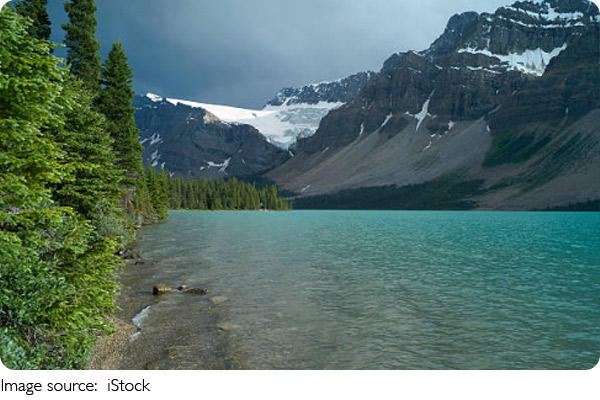
Good evening, Banff visitors. Vermilion Lakes make an easy sunset stop when you want a broad view of Mount Rundle without a long trail day. The lakes sit beside a short road west of town, and the views change with cloud, light, and the season.
In winter, snow and thin ice make the shoreline the safer focus: natural ice is not monitored, so a frozen surface should not be treated as a walking route. A little timing and transport planning leaves more room to enjoy the view from shore.
Reach the Lakes
Vermilion Lakes Drive runs about 4.3 kilometres and has several roadside viewing areas, boardwalks, benches, and limited parking. Fenland day-use area is another access point nearby. The drive is close to Banff town, which makes it possible to combine the lakes with a town meal or an afternoon walk without using a full day of the itinerary.
Parking is limited at some viewpoints, especially around First Lake, so arrive early enough to find a safe legal space and avoid stopping on the road. Visitors with a car can use the lakes as a short excursion; those without one should check current local transit routes and seasonal service before setting off. Do not assume a transit pass reaches every lakeside pullout. Sunset time changes through the year, so check it on the day and leave daylight for the return.
Keep to Shore
Parks Canada does not monitor natural ice on Vermilion Lakes. Snow can hide weak areas, and a surface that appears solid from shore may not be safe. Plan to watch the sunset from a marked viewpoint, boardwalk, or stable shoreline rather than stepping onto the lake. If skating is a goal, use a maintained rink or an area that has been officially opened and checked.
Winter footwear with traction helps on packed snow and icy paths, and a headlamp is useful if your walk ends after dusk. Keep an eye on wind chill and bring a warm outer layer, gloves, and a charged phone. If the shoreline is icy, stay back from the water’s edge. A flexible plan can shift the sunset stop to a town viewpoint or another accessible area if conditions deteriorate.
Budget Park Access
Banff National Park charges a daily admission fee; the 2026 day rate is about US$9 per person, with family and annual options priced separately. Confirm the current amount and validity period before travel. The national free-admission promotion in summer 2026 has ended, so do not build a later-season budget around that temporary offer.
If you are driving, add fuel and any parking charge at your accommodation to the day’s total. Roam Transit local fares begin around US$1.40 for a single ride and about US$3.60 for a local day pass, but routes and stops vary. Check whether a route serves your actual starting point before relying on it for the lakes. Travelers staying in town can often reduce short car trips by walking to shops and arranging one transport plan for the evening.
Stay Near Town
Banff’s centre is useful for dining and walking, while the uptown area can offer a slightly quieter base and easier road access. On a selected October date, Banff Ptarmigan Inn was US$121 per night before taxes and fees for two; parking is included. Banff Inn showed US$175 total per night for two on another October date, with parking listed as an extra charge. These are date-specific examples, not fixed rates.
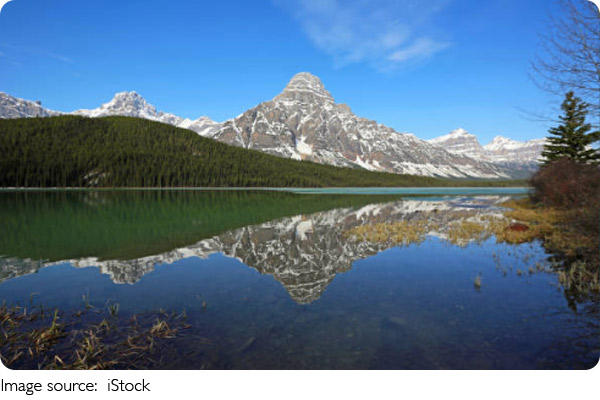
Ptarmigan Inn suits travelers who value a downtown location and included parking; Banff Inn is an uptown choice with straightforward access toward the lakes, but the final total can rise with parking and taxes. Compare the total for your dates, cancellation flexibility, and whether breakfast is included. If you plan multiple nights, check weekday arrivals and shoulder-season dates, and book refundable terms when winter road conditions could affect arrival.
For the sunset, choose a shore viewpoint and treat ice as scenery rather than a shortcut. Check the park fee, road conditions, and transport route before leaving town, then keep a warm backup stop in mind if the evening turns colder than expected.