Lac Blanc Reflections

Kai
| 25-10-2026
 · Travel team
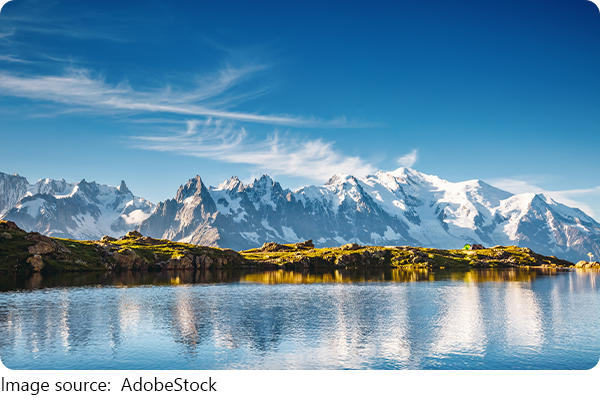
Hello, fellow alpine walkers. Lac Blanc offers a high mountain viewpoint across the Mont Blanc massif, reached by a demanding trail above Chamonix. The lake sits in the Aiguilles Rouges nature reserve, and the route is a hike rather than a roadside stop.
Clear visibility, open paths, and a suitable lift schedule all affect whether the outing works on a particular day. A little advance planning helps visitors choose a realistic route and avoid treating a high-altitude walk as a casual stroll.
Choose the Route
The Flégère route is a common approach because the cable car removes a substantial part of the climb. From the upper station, the marked route to Lac Blanc is about seven kilometres round trip, with roughly 500 metres of ascent and descent. Allow around three hours of walking, not including rest stops or time by the water. The trail reaches approximately 2,350 metres, where conditions can differ sharply from town.
The path is rated difficult because it climbs steeply and crosses exposed mountain terrain. Start early enough to leave room for a slower pace, and check the official trail status before setting out. Snow, wind, rain, or low cloud can change the route’s difficulty; if conditions are poor, choose a lower valley walk instead. There is no road access to the lake, and swimming and overnight camping are prohibited.
Time the Lift
The Flégère cable car operates on a seasonal schedule, and its opening dates do not automatically mean the upper trail is safe. The route is generally a summer and early-autumn outing, subject to snow and weather. A return lift fare has been listed at about US$28 per person for the summer season; confirm the current tariff and operating dates before buying a ticket.
The lift saves uphill effort but does not remove the hike or its descent. Build in time for queues, a meal break, and the return cable car, whose final departure can determine your turnaround time. Keep a downloaded trail map, water, warm layers, and footwear with reliable grip. If the lift is closed, do not assume a longer walk from the valley is a suitable substitute without checking route distance and conditions.
Find the Viewpoints
Lac Blanc is valued for its broad view toward Mont Blanc and the surrounding peaks. The lake’s surface can reflect the skyline when wind is light, but reflections are not guaranteed. Give yourself time to look from the marked shore and nearby viewpoints rather than crowding one small edge. The reserve is a protected landscape, so stay on established paths and leave stones and plants in place.

The Chéserys lakes can be included on a longer loop, but route choice should match daylight and fitness. Carry a snack and enough water because services are limited once you leave the lift station. Weather can change quickly at altitude, so a clear morning forecast is not a promise of a calm afternoon. Turn back if cloud, rain, or fatigue makes the descent difficult to manage.
Stay in Chamonix
Chamonix makes the lift and trailhead easier to reach, while nearby villages can offer a quieter base with more dependence on buses or a car. On selected autumn dates, Lykke Hôtel & Spa Chamonix in the town centre was US$128 total per night for two, while La Folie Douce Hôtel Chamonix was US$130 total per night for two. Breakfast and room conditions vary by rate, so compare the final checkout amount rather than the headline nightly figure.
Lykke suits visitors who want shops and transport within walking distance; La Folie Douce offers a larger hotel setting but may add parking costs. Rates move with weekends, school breaks, and lift season. Booking a refundable room can help if the forecast changes, while checking bus access may reduce the need to pay for hotel parking. For a longer stay, compare a small apartment outside the centre with the time and transport needed to reach the Flégère departure point.