Dynjandi Waterfall Guide

Anika
| 25-10-2026
 · Travel team
Dynjandi is one of Iceland’s most striking natural attractions, tucked into the remote Westfjords region. Its water spreads across a broad cliff in a series of cascades, creating a shape that resembles a flowing white fan.
Reaching the waterfall takes some planning, but the journey rewards visitors with quiet surroundings, dramatic scenery, and several smaller waterfalls along the walking route. It is an excellent stop for travelers who want to experience Iceland beyond its busiest destinations.
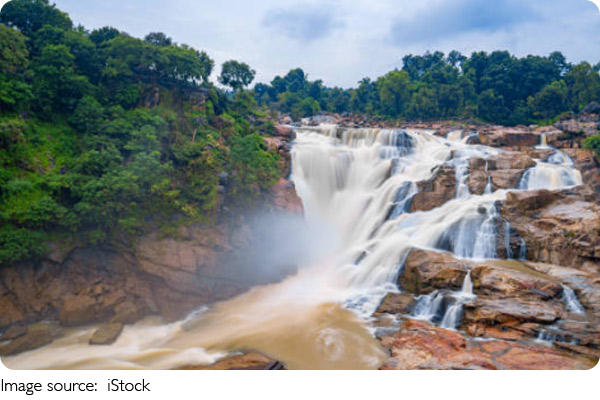
Admire the Main Waterfall
Dynjandi is approximately 100 meters tall, making it a major highlight of the Westfjords. Its upper section is narrower, while the water widens as it descends over the rocky slope. From the viewing area below, visitors can appreciate the full scale of the cascade and the surrounding mountain scenery.
The waterfall is part of a protected natural area, so visitors should remain on marked paths and avoid climbing onto unstable rocks. Bring a waterproof jacket because wind can carry spray away from the falls, and the weather in this part of Iceland can change quickly. The site is particularly appealing to photographers. Overcast conditions can bring out the contrast between the white water, dark rock, and green slopes, while brighter weather may reveal more detail in the surrounding landscape.
Dynjandi
Follow the Trail Past Smaller Falls
The walk toward Dynjandi is part of the experience. From the designated parking area, a trail follows the river uphill, passing several smaller waterfalls before reaching the main cascade. Each has its own shape and character, so it is worth stopping along the way instead of heading straight to the top.
The walk to the main waterfall takes around 15 minutes, but allow at least 45–60 minutes for the complete visit if you want to enjoy the smaller falls and take photographs. The route becomes steeper and rougher as you climb, with rocks and potentially slippery sections. The lower part of the path is paved and accessible as far as Hrísvaðsfoss. Beyond that point, the surface becomes uneven, which may make the upper section difficult for visitors with limited mobility.
Choose the Right Time to Visit
Summer is generally the most practical season for visiting Dynjandi, particularly from June through September, when access roads are more likely to be passable. Early summer can bring strong water flow as snow melts, while later summer offers long daylight hours for sightseeing.
Weather in the Westfjords can change quickly. Rain, wind, fog, and low temperatures may affect visibility and walking conditions, even during warmer months. Check road conditions before departing, especially when traveling over mountain passes. Winter access can be difficult because sections of the route may close due to snow or other conditions. Avoid making the journey without confirming that the road is open and suitable for your vehicle.
Getting There and Planning Costs
Dynjandi is in Arnarfjörður in Iceland’s Westfjords, beside Route 60. The access road leads to a designated parking area close to the trailhead. Ísafjörður is one possible base for exploring this part of the region, although driving times depend on road conditions and your chosen route.
There is no separate entrance ticket listed for the waterfall, but a parking service fee applies. In 2026, the fee for a car carrying up to five passengers is approximately US$9, while a vehicle with six to nine passengers costs around US$12. The fee supports site facilities and maintenance, including public toilets.
For a wider road trip budget, rental cars in Iceland can cost approximately US$40–150 per day, depending on the vehicle and season. Fuel and accommodation are additional expenses. There are toilets and picnic tables at the site, but no shop or overnight accommodation, so bring water and snacks and arrange lodging in a nearby town.

Dynjandi is a rewarding destination for travelers who enjoy waterfalls, mountain scenery, and short outdoor adventures. With a little preparation, this remote corner of Iceland can become a memorable highlight of a Westfjords journey.