Hornsun

Arjun
| 10-11-2026
 · Travel team
Welcome, everyone. Most Svalbard trips point north toward Longyearbyen and the settlements around Isfjorden.
Hornsund sits the other way, at the southern tip of Spitsbergen, and it does not hand you a town, a shop, or a road. What it gives you instead is one of the wildest fjord systems in the Arctic, and you only see it if you commit to the sea crossing.
Why Hornsund earns the detour
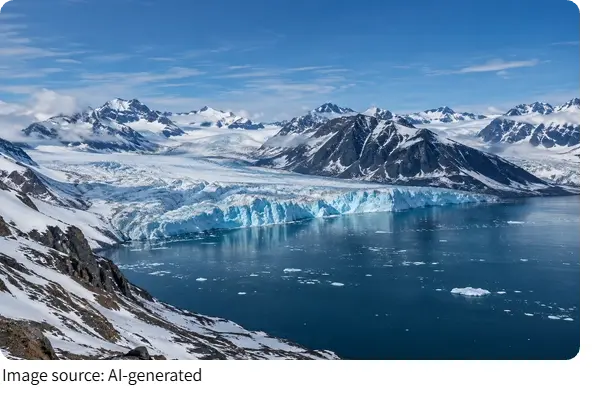
Hornsund is a 30-kilometer fjord framed by sharp peaks, and the name comes from a distinctive horn-shaped mountain near its mouth. The landscape here is steeper and more dramatic than much of the west coast. You get tidewater glaciers calving into dark water, and in summer the cliffs at Sofiakammen and the nearby bird ledges hold large colonies of little auks and northern fulmars. It's a place where the scenery does the talking, and there's no visitor center to soften it.
Getting there means a ship
There are no roads into Hornsund and no airstrip, so arrival is by expedition vessel or a chartered boat from Longyearbyen. The run south takes roughly a day depending on conditions and stops, and operators usually build it into a multi-day Svalbard loop. Expect the crossing to be weather-dependent; the open stretch past the southern cape can be rough, so bring motion sickness precautions and a flexible attitude. Small expedition ships in the 50 to 200 passenger range are the common choice, and a berth on a multi-day Svalbard voyage typically runs several thousand USD per person, with the exact figure varying by operator and cabin.
What you actually see
The two highlights most itineraries aim for are the glacier fronts at the head of the fjord and the seabird cliffs along the northern shore. Zodiac cruises get you close to the ice without disturbing it, and a licensed guide will keep the boat at a respectful distance from any wildlife. Polar bears do move through the area, so shore landings are rare and tightly managed. If a landing happens, it's usually at a historical site with strict rules about staying with the group.
Timing and practical planning
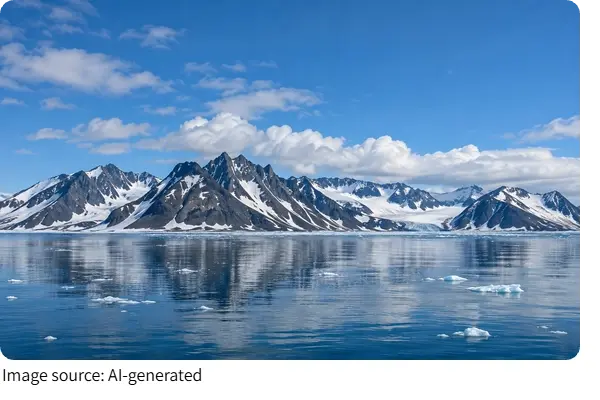
The season runs roughly from late spring through early autumn, when the fjord is largely free of fast ice and the bird colonies are active. Book well ahead for the peak summer window, since berths on southern Svalbard routes fill early. Pack for cold and wet at the same time, layer everything, and keep a dry bag for your camera on the Zodiac. Check your operator's policy on landings before you book, because some voyages treat Hornsund as a viewing-only stop.
Hornsund rewards you for going the long way around. If you're already planning a Svalbard voyage, look hard at the itineraries that swing south, and ask your operator directly how much time they actually spend inside the fjord. That one question tells you more about the trip than any brochure photo.