Raja Ampat, Step by Step

Chandan Singh
| 07-11-2026
 · Travel team
Welcome back, everyone. Raja Ampat looks impossible on a map at first, a scatter of islands off the far northwest tip of West Papua, but the trip is more manageable than the distance suggests once you break it into stages.
The regency covers roughly 4.5 million hectares of land and sea, and most visitors only touch a small slice of it, usually the central cluster around Waigeo, Gam, and Mansuar. You don't need to see all of it. You need to see the right corners, in the right order.
Getting there takes three legs
There's no direct international flight into the regency, so you build the trip in steps. Fly into Sorong first, usually via Jakarta or Makassar, then take the ferry or a short flight to Waisai, the regency's capital on Waigeo. The public ferry from Sorong runs a few times a week and takes about two hours. From Waisai, most resorts and homestays arrange a boat pickup, and that last leg can run anywhere from 30 minutes to two hours depending on where you're staying. Budget around $25 to $40 for the ferry and expect boat transfers to be bundled into your accommodation rate.
The diving is why you came
Raja Ampat sits inside the Coral Triangle, and the marine surveys keep confirming it as one of the richest reef systems on the planet, with well over 500 coral species recorded. Cape Kri off Mansuar is the site people name first, a drift dive where schools of bumphead parrotfish and giant trevally pass through in numbers. For something quieter, the manta cleaning stations around Arborek draw reef mantas reliably. You don't have to be an expert diver to enjoy it, but a comfortable grasp of drift diving helps.

Above water, the viewpoints earn the trip
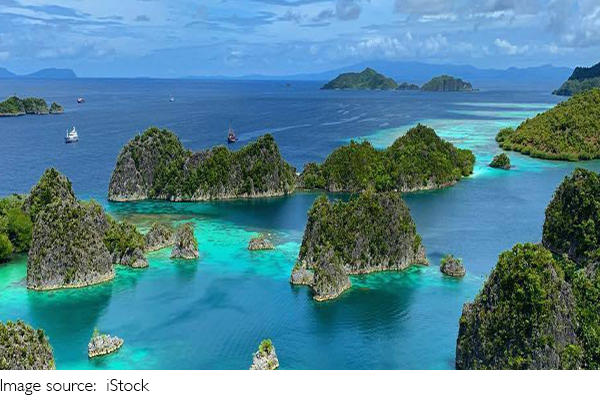
The karst formations get photographed constantly and they hold up in person. Piaynemo's viewing platform sits at the top of a wooden stair climb of a few hundred steps, and the reward is the lagoon and mushroom-shaped islets spread out below. Wayag, further north, is the bigger and more remote version of the same scene, and reaching it usually means a liveaboard or a long day boat from Waisai. Both involve early starts and steep, humid climbs. Wear real shoes.
Costs and timing you should plan around
Homestays in villages like Arborek and Sawinggrai run roughly $40 to $70 per person per night with meals included. Mid-range resorts push that to $150 to $300, and the top dive lodges go well past $400. The dry season from October through April brings calmer seas and better visibility, while the wetter months can mean choppier crossings. Book accommodation months ahead, especially for the December and January window, because room counts on the smaller islands are tiny.
Small things that save you grief
Bring cash. ATMs in Waisai exist but are unreliable, and almost nothing on the outer islands takes cards. Buy the Raja Ampat marine park permit on arrival in Waisai, a small fee that funds local conservation and reef patrols. Pack reef-safe sunscreen and a light rain shell regardless of season. And build in a buffer day before your international flight out of Sorong, because weather can delay boat transfers.
Raja Ampat rewards the traveler who plans the logistics carefully and then lets the place slow them down. Get the ferry times sorted, book your island stay early, and carry enough cash to cover the small stuff. The reefs and the viewpoints do the rest, and you'll come home understanding why people keep returning to this corner of West Papua.