Stone Field in Argentina

Elise
| 26-10-2026
 · Travel team
Hi there. You probably have a mental image of Argentina already: Buenos Aires steakhouse, Mendoza vineyards, maybe the blue ice of Perito Moreno.
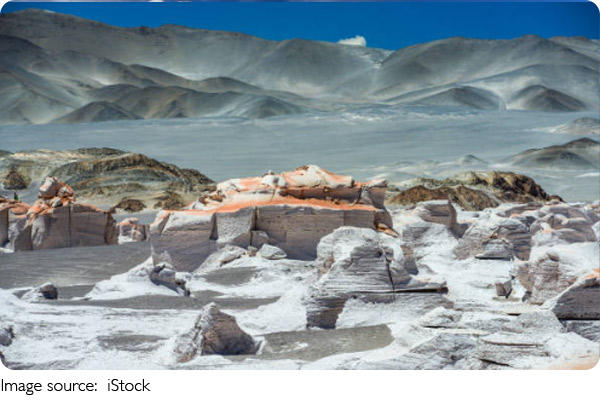
But head northwest into Catamarca province and the landscape changes completely. Campo de Piedra Pómez sits at roughly 3,500 meters in the Andes, a high-altitude basin filled with white pumice stone that has been carved by wind into hundreds of sculpted shapes.
It looks nothing like the rest of the country, and it's far quieter than the famous southern parks.
What the pumice field actually is
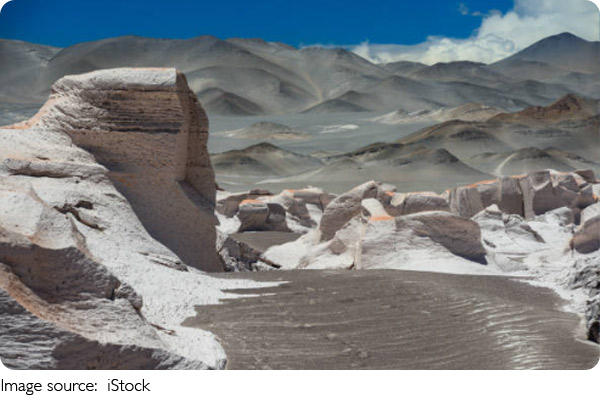
The name tells you most of it. Piedra pómez means pumice, and that's exactly what you're walking on. This material came from volcanic eruptions in the region, then spent thousands of years being sanded and hollowed by wind and grit. The result is a spread of white and cream formations, some shaped like towers, some like fins, some like hollowed-out caves you can walk between. The most photographed cluster is known locally as the Ciudad de Piedra, or Stone City. You won't find fences or paved walkways here. You walk on the pumice itself, and it crunches underfoot the whole way.
Why the altitude changes your plan
At around 3,500 meters, the air is thin and the sun is harsh. People who arrive straight from sea level often feel it within an hour, headaches and shortness of breath included. The standard advice is to spend a night or two acclimatizing in a lower town before driving up. Antofagasta de la Sierra, a small settlement about an hour away, is the usual base. Even there you're already high, so take it slow on day one. Drink more water than you think you need, and don't plan a long hike for your first morning.
Getting there and getting around
There's no public transport to the field. The realistic route is a 4x4 with a local driver, arranged from Antofagasta de la Sierra or from the town of San Antonio de los Cobres further north. The roads are gravel and sand, and sections turn soft after rain, which is why a standard rental car isn't a sensible choice. A guided day trip typically runs around $150 to $250 per person in USD, depending on group size and how far you're coming from. Bring cash for the local guide and any park fees, since card machines are scarce out here. The drive itself takes a couple of hours each way, so plan a full day.
When to go and what to bring
The dry season, roughly May through October, gives you the most reliable conditions. Even then, mornings can be close to freezing while afternoons warm up fast, so layers matter. A windproof jacket is close to essential, because the same wind that shaped the stone still blows across the basin. Bring sunglasses, high-factor sunscreen, and a hat with a brim. The white surface reflects light strongly, and the UV at this altitude is intense. Check the forecast before you commit, since snow and rain can close the access road without much warning.
Practical tips before you set out
There's no food, water, or shelter at the field itself, so pack everything you'll need for the day. Mobile coverage is patchy at best. Let someone at your accommodation know your plan and expected return time. Walk carefully around the formations, since pumice is soft and some edges crumble. And keep your distance from the more fragile shapes, because they took a very long time to form and won't grow back.
The thing to remember about Campo de Piedra Pómez is that it rewards patience over speed. Acclimatize properly, book a 4x4 with a local driver, and give yourself a full day rather than squeezing it in. If you're chasing landscapes that feel genuinely unlike anywhere else in Argentina, this high white basin is worth the extra planning.