Iona Desert Access

Eleanor
| 26-10-2026
 · Travel team
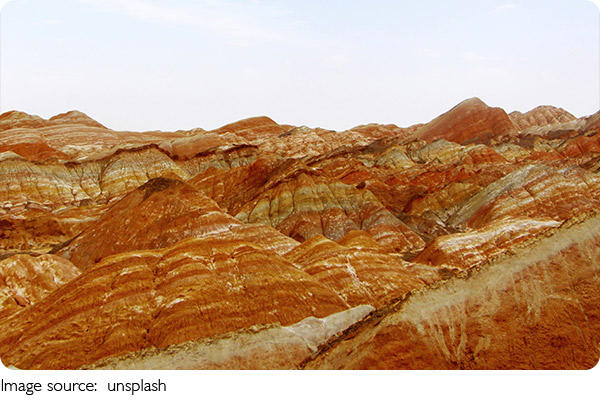
Hello there, readers. Iona National Park in Angola’s Namibe region combines weathered sandstone formations with dunes, plains, and a remote Atlantic coastline. The park is a large, lightly serviced protected area at the northern edge of the Namib Desert.
The red rock country and sandstone pillars are a draw, but reaching them takes more planning than a short coastal detour. Build the visit around suitable transport, entry permission, supplies, and an overnight stay near Namibe or Tômbwa.
Find the Rock Country
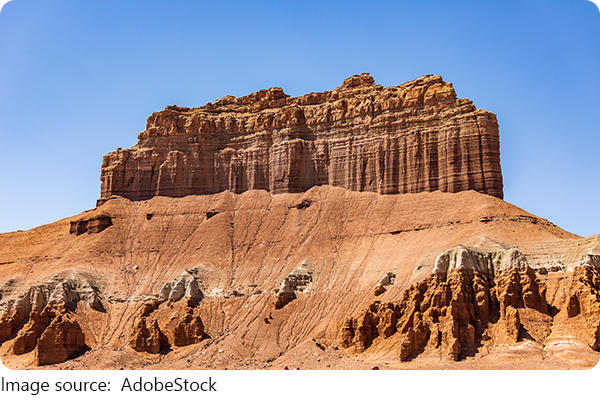
Iona’s landscape covers more than 15,000 square kilometres, with sand dunes near the coast, open gravel plains, and rugged mountains and cliffs farther inland. The red sandstone formations around the Curoca area add contrast to the pale desert ground. Rather than treating the park as one viewpoint, ask a local operator which formations and tracks are reachable during your dates.
The distances between features are substantial, and tracks can include sand and rough ground. A stop beside the road may be enough for a short visit, while a deeper exploration can require a full day or overnight expedition. Keep clear of unstable slopes and do not climb on formations; walking around marked visitor areas gives time to observe the rock shapes without damaging them.
Arrange Park Access
Plan on a capable 4x4 vehicle and an experienced driver familiar with the current track conditions. Park visitor information calls for entry permits and advance attention to access rules. It also notes that driving between sunset and sunrise is prohibited without prior authorization, so allow daylight for reaching camp or exiting the park.
The park has no fuel or drinking water for sale inside and mobile service is unavailable in many areas. Carry enough water, food, fuel, and recovery supplies for the full route, and share your itinerary with your lodging or operator. A guide or operator can help with permission and route decisions, but confirm exactly what the fee covers and whether transport, meals, and camping equipment are separate.
Budget the Expedition
A park fee schedule dated 2024 lists entry at about US$5.50 per visitor per day and a vehicle fee of about US$4.40, converted from the posted local rates. It also lists no-facility camping at about US$4.40 per night. Treat these as published reference amounts rather than guaranteed current prices: confirm the schedule, payment method, and permit steps with park management before traveling. The visitor information says gate payment is in cash, while advance payment requires a permit request and confirmation. Arrange this before the drive, since the park’s limited services make last-minute changes difficult.
Namibe city is roughly 200 kilometres from the park, so the road transfer and expedition days should be planned together. Avoid assuming a city taxi can take you through remote sand tracks or wait for a full-day excursion. Ask operators how many days they recommend, what type of vehicle is supplied, and whether a second vehicle or recovery equipment is part of the arrangement.
Stay in Namibe
Residencial Maweza in Moçâmedes lists a double room at about US$40 per night, including breakfast and value-added tax. It suits travelers who want a simple city base before or after the drive, though it is not inside the park. IU Hotel Namibe has selected double-room rates from about US$47 per night; it offers town-side services such as Wi-Fi, parking, and breakfast, with a higher starting price and a more full-service hotel setup.
Both stays require separate transport for Iona, and neither rate includes a park excursion. Compare the exact dates, room terms, breakfast, payment options, and cancellation conditions directly before booking. Since the park is remote and overnight camping has no facilities, organize the city stay and expedition as two distinct parts of the trip rather than expecting a lodge within the protected area.
For a first visit, arrange the driver and park permission before choosing the exact rock stops, then keep the itinerary within daylight and supply limits. A Namibe overnight on each side of the expedition gives the long transfer and the desert visit their own time.