Perito Moreno Lakes
Antonio
| 27-10-2026
 · Travel team
Hello, fellow travelers. Perito Moreno National Park in Santa Cruz rewards a careful visit with vivid blue lakes, open Patagonian country, and striking volcanic scenery.
This remote park is far from the better-known glacier destination with a similar name, so check your route before setting out. A good plan includes a realistic drive, time for a chosen walk, and a booked bed or campsite if you intend to stay overnight.
Plan the Route
The park lies northwest of Gobernador Gregores, the most practical service town for many visitors. The drive is about 220 kilometers and includes a long gravel section; from Perito Moreno town, the journey is longer still. Fuel up before leaving, carry food and water, and check road conditions locally, since weather and maintenance can change how quickly the final stretch is covered. Do not build a tight same-day connection around an optimistic drive estimate.
Most visitors arrive with a private vehicle or arrange a local transfer. Long-distance buses serve Gobernador Gregores, but do not take travelers directly to the park; confirm onward transport with an authorized local operator before booking the bus. A standard rental car may not suit the rough approach, so ask the rental company in writing whether the route is permitted and whether roadside assistance covers it. Mobile service can be limited, making an offline map and a paper backup useful.
Choose Lakes and Walks
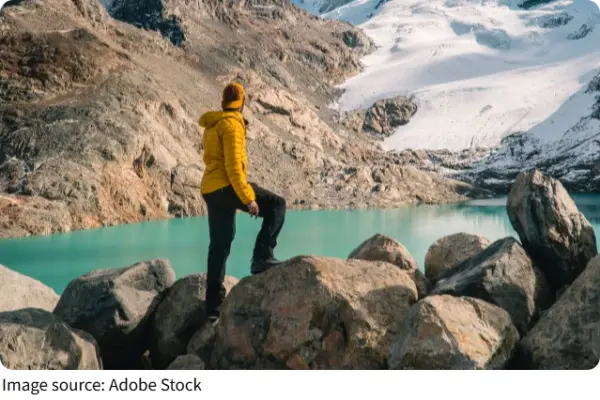
The park’s network leads through a landscape of lakes, forest, steppe, and rugged mountain country. Several lakes show turquoise, deep blue, or muted green tones, while volcanic landforms add bands of red, ochre, and dark stone. Color changes with cloud, wind, and the angle of the sun, so allow time at a viewpoint rather than expecting one fixed postcard scene. Carry a light wind layer even on a bright day.
Pick a walk that matches your daylight and experience. Shorter routes close to the visitor area can make a rewarding first day, while longer circuits take several days and require advance preparation. Ask staff which trails are open, check estimated times and elevation, and register your route before leaving. Stay on marked paths, keep to any posted closures, and return with enough daylight; weather can turn quickly in this exposed region.
Budget for a Stay
For the 2026–27 summer season, the park’s shared refuge lists a bed at ARS 70,000 per person per night, about US$45 per person per night at the Central Bank’s October 26, 2026 reference rate. The dome is ARS 40,000 per person, about US$26 per person per night. These are simple, limited-capacity options inside the park, not full-service hotels; book ahead and confirm what bedding, cooking access, and other facilities are included for your dates.
Camping is the lower-cost choice: a tent site is ARS 25,000, about US$16 per site per night, plus a listed service charge of ARS 5,000 per person, roughly US$3.25. The site rate is not per camper, and facilities are basic, so confirm water and restroom availability and bring food and suitable equipment. General park entry is ARS 25,000, approximately US$16 per visitor under the tariff effective June 2026. Prices converted to dollars are estimates; exchange rates and local payment totals can differ.
Make the Logistics Work
If you prefer a private room and town services, stay in Gobernador Gregores before or after the park. El Cardiel is a local apartment-style option, while Casa Gregores 2 offers a self-catering apartment; recent online sample listings have started around US$30–40 per night for two, but dates, availability, and final totals vary. These town stays are a useful staging base, not a quick commute to the trails, so plan an overnight buffer rather than driving in and out each day.
Reserve in-park accommodation through the official system and read the cancellation and facility terms carefully. The operating season generally runs from October through April, subject to road and weather conditions. Visitors must check in at the Ceferino Fonzo information office; verify its current hours before arrival and leave time for the drive. Pack layers, sun protection, a headlamp, cash backup, and enough provisions for the whole stay because services are sparse.

Before setting off from town, make a simple fuel and food checklist: stock up on drinking water and meals for your stay, and ask your lodging host whether cooking supplies are available. If traveling without a car, arrange both directions of the transfer in advance, including the pickup time after your walk.
Set aside more time than the map distance suggests, choose one or two lakeside walks, and secure transport and lodging before departure. That preparation leaves room to enjoy Patagonia’s shifting colors without rushing the return drive.