Lilliehöök Glacier Guide
Ravish Kumar
| 31-10-2026
 · Travel team
Hello, Lykkers! The Lilliehöök Glacier is not a place you stumble onto by accident. It sits at the head of a fjord in northwest Spitsbergen, and the only way to see it is by boat. But that isolation is the whole point. The glacier front stretches for miles, a wall of ice that drops straight into the sea, and the water around it is filled with floating blue icebergs.
If you are planning an Arctic expedition, this is one of the stops that makes the journey worth it. Here are six places and experiences to look for when you are in the area, including where to sleep and eat.
The Lilliehöök Glacier Front
This is the main event. The glacier is a tidewater giant, and its calving front has historically stretched up to 12 kilometers wide, though it has separated and retreated in recent years.
The ice face rises roughly 50 meters above the water, and the blue color comes from centuries of compression. Expedition ships cruise slowly in front of it so you can watch for calving—chunks of ice breaking off and crashing into the fjord. The scale is hard to process from a photo. You need to be there to feel how small a boat is next to a wall of ice. Getting there requires booking a multi-day expedition cruise, with rates typically starting around US$3,000–6,000 per person for the voyage.
Signehamna
This is a landing site on the northern side of Krossfjorden, and it is where many expeditions start their day. The tundra here is home to Svalbard reindeer, and the birdlife is active in summer—snow buntings, kittiwakes, and Arctic terns are common. A hike across the undulating hills gives you a view over the fjord and a sense of the scale of the landscape. Zodiac landings like this are included in the expedition cruise fare, so there is no additional cost beyond your booking.
Signehamna
The Bird Cliffs at Nilspynten
On the west side of Lilliehöökfjorden, there is a notable bird cliff at Nilspynten. This is where you find colonies of black-legged kittiwakes, little auks, Brünnich's guillemots, black guillemots, and Atlantic puffins. The cliffs are alive with noise and movement in the breeding season. Bring binoculars and a zoom lens. Viewing from the ship or a Zodiac is included in the expedition cruise package.
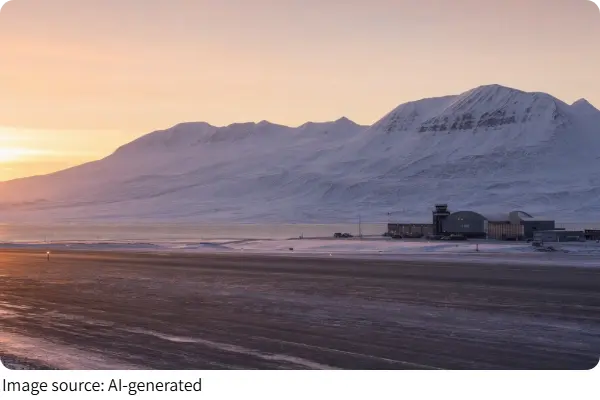
Fjortende Julibukta
This bay sits at the entrance to Krossfjorden, and it is named after the date of a Monaco expedition. The glacier here is framed by tundra and mountains, and the bird cliffs at Casimir-Perierkammen are nearby. You can see northern fulmars, kittiwakes, guillemots, and puffins nesting on the cliffs. Arctic foxes and reindeer are also spotted in the area. Shore excursions here are covered by the same expedition fare.
Where to Stay: Basecamp Hotel in Longyearbyen
Since Lilliehöök is a wilderness area with no accommodation, your base will be Longyearbyen before and after the cruise. Basecamp Hotel is a great choice, designed to feel like a traditional trapper's hut with rooms built from driftwood and timber. It sits right in the center of town, making it easy to walk to restaurants and shops. It is cozy, has a great breakfast, and offers a warm place to rest before heading into the Arctic. Rates start around US$250–400 per night depending on the season.
Basecamp Hotel
Where to Eat: Kroa Steakhouse in Longyearbyen
Before you board your ship, you need a good meal. Kroa is a lively, rustic restaurant in the center of Longyearbyen, known for its hearty portions and welcoming atmosphere. It serves a mix of local Arctic ingredients, including fish, lamb, and whale (if you are adventurous), alongside classic dishes. It is a popular spot, so booking ahead is a good idea, especially in the summer. Expect main courses in the US$30–50 range.
Final Thoughts
The Lilliehöök Glacier rewards readers who commit to the journey. The ice front is the headline, but the bird cliffs, the tundra landings, and the quiet fjord water are what make the day complete. Use Longyearbyen as your base for sleeping and eating, and go with a reputable expedition operator for the cruise itself. Pack for cold and wet conditions, and leave room for the weather to change your plans. The Arctic does not perform on demand. It just gives you what the day offers, and in this corner of Svalbard, that is usually enough.