Otago’s Open Headlands

Elena Rossi
| 29-10-2026
 · Travel team

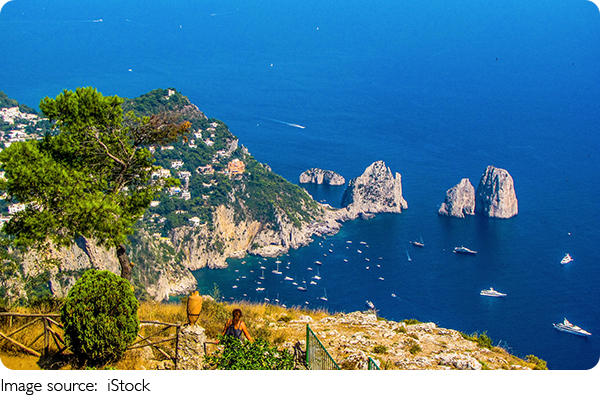
Hello, coastal explorers! The Otago Peninsula’s green headlands frame a sheltered blue bay and a striking offshore rock, making this a rewarding day trip from Dunedin. The peninsula stretches between the open Pacific and Otago Harbour, so viewpoints shift from rolling pasture to quiet coves and broad water.
Plan for a mix of driving, short stops, and one unhurried walk rather than trying to cover every shore in a single outing. Wind can change the feel of an exposed ridge quickly, while clear spells bring the most expansive views. A little flexibility helps you enjoy both the landscape and the journey.
Choosing a Coastal View
From Dunedin, follow the peninsula road toward Portobello and continue toward the outer headlands for wide views across the harbour mouth. The route itself is part of the experience: bays appear between low hills, and the water changes colour with cloud and depth. For a closer look at the rock stack near Second Beach, check local signs and use a marked public access point rather than crossing private land.
Sandymount offers an elevated perspective over the coast and inlets, with a walking route that rewards steady pacing. The Department of Conservation lists the Sandymount-to-Sandfly Bay return walk at about 4.4 kilometres and roughly an hour and a half, at an intermediate level. Loose sand and steep sections make it more demanding than a stroll, so sturdy shoes and a wind-resistant layer are useful even on a bright day.
Making the Walk Comfortable
Treat the walk as a headland outing, not a race to a viewpoint. Carry water, a small snack, and an offline map, since phone coverage can vary along the rural coast. Follow marked tracks, keep clear of unstable edges, and turn back if gusts or rain make footing uncertain. After wet weather, allow extra time on muddy sections and avoid stepping onto fragile vegetation to make a shortcut.
Access can be seasonal: the Sandymount route has a summer closure period from November through February, so confirm the current track notice before setting out. If that route is closed, enjoy roadside viewpoints and open public reserves instead. Leave enough daylight for the return drive; dusk comes early in winter, and narrow rural roads feel different once visibility drops.
Getting Around from Dunedin
Orbus Route 18 links central Dunedin with Portobello and Harington Point, following the harbour edge for a scenic ride of about an hour one way. A Bee Card trip is NZ$2.50, around US$1.40, while paying cash is NZ$3. The bus is a sensible choice for a Portobello visit, but check the timetable carefully if you want to reach walking access points farther along the peninsula.
For more freedom between bays, a rental car makes it easier to pause at viewpoints and adjust the plan to weather. Drivers should take the narrow, winding stretches slowly, use designated pull-offs, and avoid stopping in the traffic lane for photographs. If you rely on the bus, build your day around the published departures rather than assuming frequent service late in the evening.
Where to Stay Nearby
Portobello and Macandrew Bay suit travelers who want a quiet base close to the harbour. Tui2 Macandrew Bay appears around US$76 per night in a recent listing sample, a useful lower-cost option for a self-catering stay. Kakianau Retreat has shown rates near US$108 per night and offers a more private waterfront-style setting, while Pukemara Retreat has been listed around US$140 per night for a roomier country escape.
These are different kinds of stays, not interchangeable hotel deals: check the exact address, room size, minimum nights, cleaning charges, and cancellation terms. For a short break, staying in central Dunedin may provide more dining and transit choices; for an early coastal walk, a peninsula base saves backtracking. Rates can rise during holidays and weekends, so compare the full total for your dates before choosing.
Building a Relaxed Peninsula Day
Start with the outer coast while you have energy, then pause in Portobello for a meal or a warm indoor break before returning toward the city. If the weather turns, swap the exposed walk for a sheltered harbour-side stop and save the ridge for another day. That simple order avoids repeatedly driving the same winding road and gives you room to linger when the light opens across the water.
Pack layers, keep a charged phone, and let someone know your walking plan if you are heading onto a quieter track. Leave gates as you find them, respect access signs, and carry out everything you bring. The peninsula’s appeal lies in its openness, so a slower itinerary often feels more satisfying than a checklist of stops.
The Otago Peninsula is best enjoyed at the pace of its changing coastline: one clear lookout, one well-chosen walk, and time to absorb the harbour views. Would you rather explore by bus or take the longer scenic drive?