Uyuni’s Sky Mirror

Margot
| 30-10-2026
 · Travel team
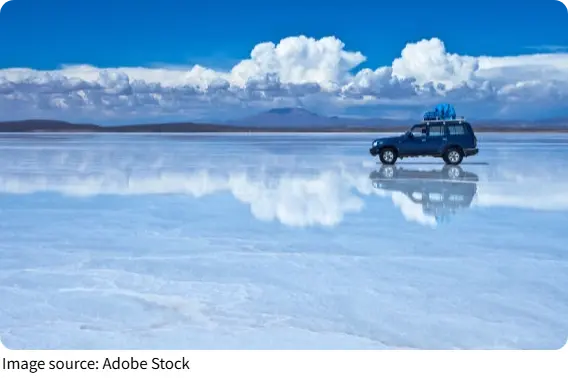
Hello, stargazers! On Salar de Uyuni, a thin layer of water can turn the salt crust into a remarkable mirror beneath the Milky Way. The effect depends on recent rain, a smooth shallow film, and safe access conditions; no calendar date guarantees a perfect reflection.
The wet season usually falls from late December into early April, while the dry months expose geometric salt patterns and allow broader crossings. Build flexibility into the trip because water depth can change the route and access to some stops.
Time the Sky and Surface
For a mirror photograph, January through March is a common planning window, but conditions vary from year to year. Some years offer a broad reflective sheet; others leave dry patches or deeper water that limits where vehicles can go. Ask the tour operator about the day’s surface and whether the planned route is suitable for night photography before booking.
The Milky Way is most prominent when the sky is dark and the moon is low or absent. Check the lunar calendar, cloud forecast, and expected sunset time, then ask whether your guide can pause safely after dark. In the dry season, the salt polygons provide dramatic foreground detail even without a water reflection, so the destination remains rewarding outside the mirror months.
Plan a Safe Photo Session
Most visitors book a shared or private four-wheel-drive tour from Uyuni rather than driving onto the salt flat independently. A one-day itinerary commonly includes Colchani, the broad salar, photo stops, and sunset, though exact locations vary with season and conditions. Night photography should be arranged in advance; a standard day tour may return before the darkest hours.
Bring a tripod, spare batteries, a headlamp with a low-light setting, and clothing for a cold high-altitude night. Keep camera gear protected from salt and water, and ask before stepping away from the vehicle in darkness. At more than 3,600 metres above sea level, allow time to acclimatize in Uyuni and avoid overloading the first evening.
Getting There and Costing the Day
Uyuni is the practical base, reached by overnight coach or domestic flight from La Paz. The town’s tour offices and lodging are close to the transport hub, while departures onto the salar typically happen in the morning. A recent shared one-day tour listing starts near US$69 per person; another operator lists US$79, with private options costing more.
Check what is included: vehicle, driver-guide, lunch, water, photography time, and any entry charges may differ. Set aside extra cash for site fees and small purchases, and confirm whether a night-sky stop is included or requires a private arrangement. If choosing a multi-day route, compare the overnight stops and heating details as carefully as the itinerary.
Where to Stay Before and After
Piedra Blanca Backpackers Hostel in Uyuni has sample rates around US$12 for a dorm bed or US$16 for a private room, suiting a tight budget and early tour departure. Hotel de Sal Atipax, also in town, has been listed around US$59–US$129 and offers a mid-range salt-themed stay near services. Luna Salada by Colchani has appeared around US$168–US$272, for travelers who want to sleep beside the salar rather than in town.
Rates are September 2026 comparisons and can move with dates, room type, and availability. A town stay is practical for shared tours and buses; a Colchani property offers closer access to the horizon but may require a transfer. Book one night in town before an early departure, and verify heating and transfer arrangements if staying farther out.
Leave Room for the Unexpected
Pack sunglasses and sunscreen for daytime glare, plus warm layers for after sunset. Follow your driver’s directions, avoid walking away from the vehicle without a clear plan, and never assume a reflective surface is shallow enough to cross on foot. Weather and water levels can change a carefully planned image into a different kind of landscape.
Ask your operator to keep the experience safe and unhurried rather than promising a specific photograph. If the reflection does not appear, use the salt patterns, silhouettes, and stars as alternate compositions. Would you plan around a water mirror or travel in the dry season for the crisp geometry of the salt crust?
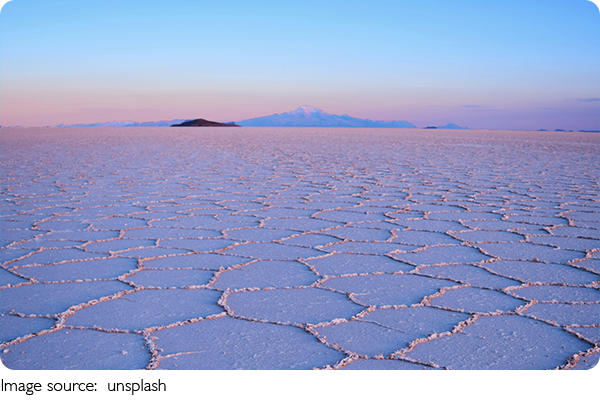
Salar de Uyuni is at its most memorable when the itinerary adapts to the surface instead of demanding a fixed shot. Choose your season, stay flexible, and let the night sky decide whether the salt becomes a mirror or a textured expanse.