Stone Stops Below Thamserku
Antonio
| 30-10-2026
 · Travel team
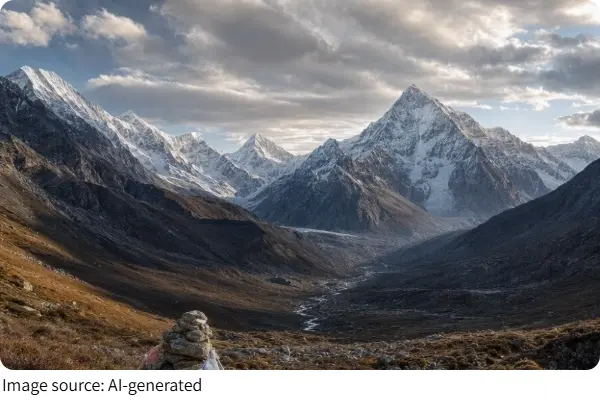
Hello, mountain travelers! The Khumbu trail threads through stone-built settlements beneath Thamserku, linking village stays with the longer walk toward Everest Base Camp. Most itineraries begin with a flight to Lukla, then continue on foot through Phakding and Namche Bazaar before climbing toward higher settlements.
Weather can disrupt flights, and altitude changes the pace, so build spare days into the schedule and plan gradual daily gains. The route is not a casual day hike: arrange a qualified local guide or a properly planned supported trek, and follow current entry and route requirements.
Where Stone Villages Meet the Trail
From Lukla, the path descends toward the Dudh Koshi valley and reaches Phakding, a useful first overnight stop. Stone walls, slate-colored roofs, suspension bridges, and terraced slopes give this section a close-up feel of daily life in the high valley. Thamserku rises above the route, its sharp ridges becoming a striking point of orientation as the trail gains elevation.
The next major hub is Namche Bazaar, built into a steep bowl of hillside. This is more than a supply stop: it is a sensible place to rest, check weather, and spend time adjusting before heading higher. Instead of rushing onward, use the day to walk gently around town and return to the same sleeping elevation.
Breaking Up the Climb
Beyond Namche, the trail passes through wooded stretches and open slopes toward Tengboche, then continues through settlements such as Dingboche and Lobuche. Stone-built lodges become simpler as elevation increases, and services may be limited or cost more because supplies must travel farther. Daily distances can look modest on a map yet feel demanding when steep paths, thin air, and changing weather combine.
Treat acclimatization days as part of the itinerary, not optional slack. Walk at a pace that allows conversation, drink regularly, and be ready to descend and seek qualified help if you feel seriously unwell. A guide can help identify a reasonable schedule, arrange local lodging, and adapt plans when trail or flight conditions change.
Transport, Permits, and Budget
The usual approach is a flight from Kathmandu to Lukla, followed by the trek; flight schedules and departure arrangements can change with weather and seasonal airport operations. Leave a buffer at both ends rather than connecting the flight to an international departure on the same day. Pack essentials in case checked baggage is delayed, and confirm what the trek operator includes before paying.
Nepal Tourism Board lists Sagarmatha National Park entry at about US$22 for foreign visitors. Teahouse rooms are often around US$7–US$12 in lower villages, US$10–US$15 around Namche, and roughly US$20–US$25 at the highest overnight stops. Add daily meals, drinking water, charging, hot showers, guide or porter services, travel insurance, and contingency nights; the headline room price is only one part of the trek budget.
Choosing a Place to Sleep
Phakding teahouses suit trekkers seeking a gentler first night after Lukla, with room samples around US$7–US$12. Namche’s many lodges, around US$10–US$15, offer the widest choice and make it easier to arrange an acclimatization day. Higher-route teahouses in Lobuche or Gorak Shep, around US$20–US$25, are basic but place hikers closer to the final out-and-back toward Base Camp.
These are indicative room rates, not guaranteed quotes, and a lodge may reduce the room charge when guests eat meals there. Ask whether the price is per room or per person, what meals are expected, and whether warm bedding is supplied. Reserve earlier for busy spring and autumn periods, while keeping flexibility for weather delays.
Prepare for a Better Trek
Choose sturdy footwear, layered clothing, sun protection, and a headlamp, and carry enough cash for remote settlements where electronic payment may not be dependable. Use refill and treatment options that your guide recommends, keep waste packed out, and stay on established paths around fragile slopes and stone walls. A small daypack should hold water, an extra warm layer, rain protection, and personal essentials.
Before departure, confirm the park entry process, flight baggage allowance, insurance coverage for trekking altitude, and the route plan with your operator. Let the mountain weather set the rhythm rather than trying to recover lost time by walking too fast. Which village would you choose for an extra rest day: lively Namche or a quieter stop lower on the trail?
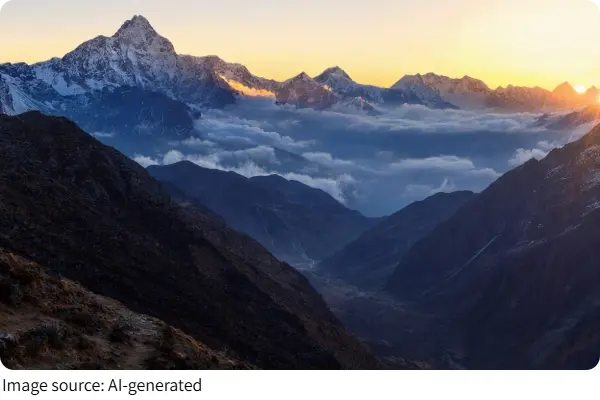
With thoughtful staging, the Khumbu walk becomes a sequence of manageable village days rather than a race to a distant landmark. Take time to notice the stone settlements and Thamserku’s changing profile, and keep your schedule flexible enough to enjoy both.