Annapurna Sanctuary Trek

Yuna
| 06-11-2026
 · Travel team
Welcome to today's article. You can plan a trek to the Annapurna Sanctuary for months, reading every blog and studying every elevation chart.
But the mountain still sets the terms once you're on the trail. The good news is that the route itself is well established, and with the right preparation you can walk into that high glacial basin with a clear head and steady legs.
Why this basin stands apart
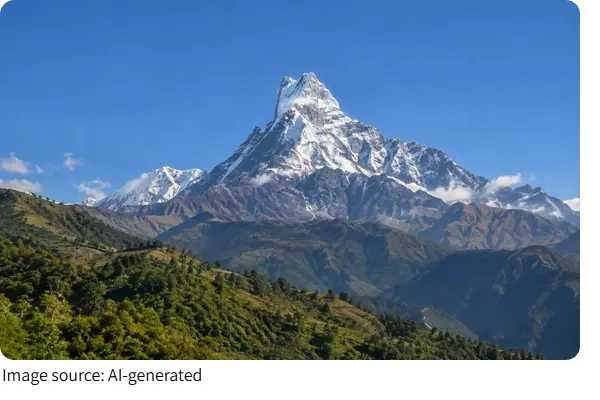
The Annapurna Sanctuary is a natural amphitheater at roughly 4,130 meters, ringed by peaks that include Annapurna South and Machhapuchhre. What makes it unusual is the approach: instead of a single summit push, you walk into the middle of a mountain range and spend a night surrounded by it. Most trekkers aim for Annapurna Base Camp, where the views open in every direction. The Modi Khola valley leading in is steep and narrow, and the landscape shifts from rhododendron forest to bare rock within a couple of days.
A route that builds gradually
Most itineraries start at Nayapul and pass through Ghandruk, Chhomrong, and Bamboo before reaching Deurali and then the sanctuary. That order matters. Chhomrong sits around 2,170 meters and gives you a natural rest point before the climb steepens. From there, the trail drops to the river and climbs again, which is where the altitude starts to register. A typical schedule runs 7 to 10 days round trip, with a rest day around Chhomrong or Bamboo to help your body adjust. You'll pass through Ghorepani and the nearby hilltop viewpoint if you take the longer loop, which adds two days and one very early sunrise climb.
Costs and what you'll pay
The Annapurna Conservation Area Permit costs about $30, and the TIMS card runs around $20. Tea house rooms are usually $3 to $8 per night, though many owners expect you to eat dinner and breakfast there. Meals run $4 to $8 each, and prices climb with altitude, so a plate of dal bhat at Deurali costs more than at Ghandruk. Budget roughly $25 to $40 per day on the trail. Guides charge $25 to $35 daily, and porters similar. Bring cash in Nepali rupees, since ATMs stop working past Pokhara.

Getting there and getting around
Fly into Kathmandu, then take a 25 minute flight to Pokhara or a 6 to 8 hour bus. From Pokhara, a taxi to Nayapul takes about 1.5 hours and costs $20 to $25. Most trekkers walk between tea houses and use porters for heavy bags. The trail is marked with red and white stripes, but junctions near Chhomrong can confuse first timers, so a guide helps. Buses back from Nayapul run until late afternoon.
Timing your walk in
The best windows are October to November and March to April. October brings clear skies after the monsoon, and the rhododendrons bloom in March. Winter treks are possible but cold, with nights well below freezing at Base Camp. Avoid the monsoon months of June through August, when leeches and cloud cover make the valley unpleasant. Book tea houses in October, since Chhomrong and Deurali fill up.
Practical tips before you go
Acclimatize properly. Sleep at Chhomrong, then Bamboo, then Deurali, and don't jump more than 500 meters of sleeping altitude per day above 3,000 meters. Pack layers, a down jacket, and a headlamp. Water purification tablets save money and plastic. Start walking by 7 am to reach the next village before afternoon clouds roll in. And check the weather forecast at the ACAP office in Pokhara before you set out.
The Annapurna Sanctuary rewards patience more than fitness. Walk slowly, take the rest days, and let the valley reveal itself a bit at a time. When you finally stand in that basin with the peaks circling you, the extra day at Chhomrong will feel like the smartest decision you made.