Hardangerfjord by Water

Daniel
| 01-11-2026
 · Travel team
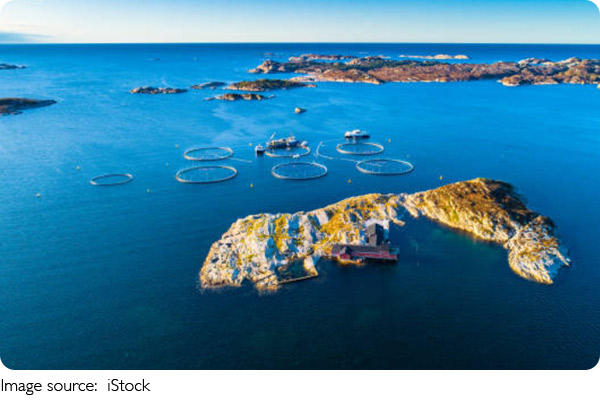
Welcome aboard, fjord explorers! Hardangerfjord is best understood from the water, where green slopes, rocky islets, and bright inlets unfold more gradually than from a road.
Bergen is an easy starting point, while Ulvik and Eidfjord let you sleep closer to quieter sections. Your plan depends on whether you prefer a full-day cruise, a self-drive loop, or a short sailing paired with walks.
Choose a Water Route
A Bergen-to-Ulvik or Eidfjord cruise listed for 2026 is around $124, based on a fare near NOK 1,150. The full-day option takes about 13 hours. A longer scenic package can approach $194, often adding stops or guided elements; confirm inclusions. Bring a warm layer because the open deck can be cool. Reserve ahead for weekends and check return times. If the cruise is your transport, a missed departure can affect an entire night.
Link Villages by Road
Driving lets you combine the fjord with orchards, viewpoints, and waterfall walks. Allow more time than the map suggests because ferries and photo stops slow the day. Public transport works between major towns but is less flexible for remote paths.
A car makes apartment stays practical when groceries are not beside the quay. Fuel, ferry charges, and parking are separate costs. Travelers without a car may save by choosing a hotel near a cruise pier.
Compare Three Stays
Hardangerfjord Hotel sample doubles have appeared around $209 per night before tax, with breakfast included. Hotel Ullensvang has appeared around $186 including taxes, pairing a fjord location with resort facilities. Brakanes Hotel in Ulvik has appeared near $196 including taxes and suits travelers wanting a compact village base. Compare parking, breakfast, and cancellation terms. Midweek dates often improve value.
Read the Changing Light
Morning water can be calmest for reflections, while late afternoon gives warmer colour on wooded slopes. Keep a flexible deck plan because low cloud may hide peaks but reveal waterfalls and village lights. Binoculars help reveal tiny shoreline farms. On land, choose one short walk rather than stacking stops. A quiet hour beside the water often says more about Hardangerfjord than a rushed checklist.
A practical fjord day starts with a simple map and a realistic meal plan. Small villages may close kitchens between lunch and dinner, so book a table or carry a picnic. Rain does not ruin the view, but it changes which deck is comfortable and can make a waterfall more dramatic. Families should check restroom stops and ferry timing before choosing a long loop. Cyclists and drivers need extra care on narrow roads where buses and delivery vehicles share the lane. If you stay two nights, use one day for water and one for a short land walk; this avoids spending the whole trip in transit. Ask hosts about local conditions, walking surfaces, and parking before arrival.
Before booking, compare total cost rather than a headline rate. Check taxes, cleaning, parking, breakfast, and cancellation rules, then match the stay to your transport. Keep a small contingency for weather changes, extra fuel, and a meal near the trail. Download maps before departure, tell someone your route, and carry water even on a short walk. These modest preparations leave more time for the landscape itself and make the day calmer for everyone in the group. A slower schedule also creates room for local cafés, viewpoints, and unplanned pauses that often become the strongest memories of a journey.
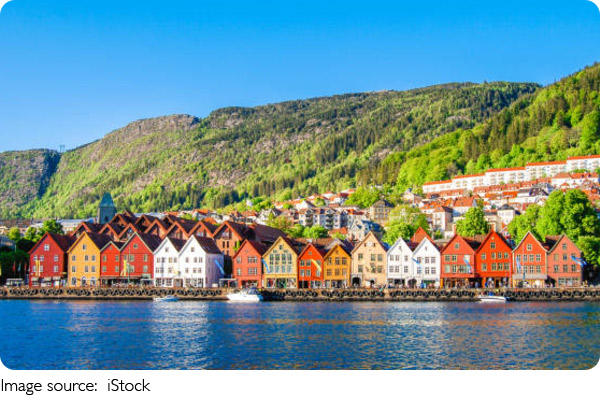
Keep your first and last outdoor hours conservative. Weather, road work, and transport delays are normal in mountain and fjord regions, so a spare hour can prevent a rushed decision. Travelers sharing a car should agree on fuel stops and meeting points. Those small choices protect energy for the view, the walk, and the quiet moments between major stops. Allow time for one quiet shoreline stop away from the busiest pier. Hardangerfjord rewards travelers who leave time between scheduled stops. Would you make the long cruise from Bergen or sleep beside the fjord and explore by road?