Paine Grande at Dawn

Amit Sharma
| 01-11-2026
 · Travel team
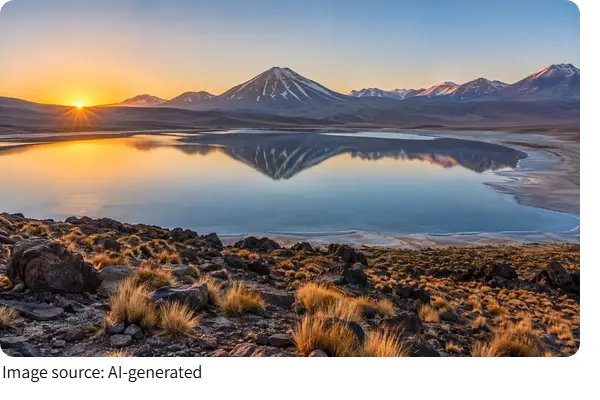
Rise early, fellow trekkers! Paine Grande catches first light above the western side of Torres del Paine, where a careful overnight plan can turn a demanding walk into a memorable sunrise.
The area combines glacial scenery, open steppe, and exposed weather. Build the day around transport times, park rules, and a realistic turnaround.
Reach the Western Shore
The usual approach uses the catamaran across Lake Pehoé to the Paine Grande sector, then continues on foot. Check the boat and trail timetable together because a late crossing shortens your walking window. Keep food and layers reachable; wind on the shore feels colder than the forecast. Foreign visitors pay about $32.40 for one-day entry, while stays longer than two days are about $48.50 under the 2026 tariff. These charges are separate from boat tickets, transfers, and lodging. Reserve the crossing early in high season.
Follow a Safe Sunrise Route
The Paine Grande sector to the administrative area is about 17 kilometres and commonly takes about five hours. Snow and reduced daylight can affect the route from May through September. Sleeping nearby is safer than attempting a long pre-dawn transfer.
Use marked paths, watch for gusts, and turn back before fatigue affects footing. Trekking poles help on uneven ground, while a waterproof shell protects against showers. Sunrise colours are never guaranteed, so treat the changing mountain light as the reward.
Compare Three Bases
Paine Grande camping can be planned around roughly $90 per person per night in current examples. It suits independent hikers, but supplies and weather protection are limited compared with a lodge. Puerto Natales hotels such as a typical Saltos del Paine listing can run around $178 per night. Hotel Las Torres has appeared around $820 per night with a packaged, comfort-focused stay. The premium buys convenience rather than a better sunrise guarantee.
Protect the Weather Window
Check wind and cloud conditions the evening before, then keep a backup viewpoint. Low cloud may hide the summit while making the lake atmospheric. Carry water, snacks, and a small waste bag, and leave no scraps. If the forecast deteriorates, use the time for a shorter lakeside walk or slow breakfast. The park is too changeable for rigid expectations, and preserving energy helps on the next day.
A sunrise plan also needs a return plan. Note the last catamaran, the opening hours of refugios, and the time needed to dry wet layers. Keep electronics in a waterproof pouch and carry a small battery because cold drains power quickly. Groups should agree on a pace and meeting point before splitting for photos. The western sector can feel empty even when the main circuit is busy, so do not assume help is close. If wind closes a boat crossing, use the delay to explore a sheltered lakeside path rather than forcing the schedule. A flexible itinerary protects the experience and reduces pressure on the trail. Pack out every wrapper, respect quiet camping areas, and keep food sealed from weather.
Before booking, compare total cost rather than a headline rate. Check taxes, cleaning, parking, breakfast, and cancellation rules, then match the stay to your transport. Keep a small contingency for weather changes, extra fuel, and a meal near the trail. Download maps before departure, tell someone your route, and carry water even on a short walk. These modest preparations leave more time for the landscape itself and make the day calmer for everyone in the group. A slower schedule also creates room for local cafés, viewpoints, and unplanned pauses that often become the strongest memories of a journey.

Keep your first and last outdoor hours conservative. Weather, road work, and transport delays are normal in mountain and fjord regions, so a spare hour can prevent a rushed decision. Travelers sharing a car should agree on fuel stops and meeting points. Those small choices protect energy for the view, the walk, and the quiet moments between major stops. Paine Grande is most rewarding when transport, fees, and sleep are treated as part of the route. Would you choose a simple camp, a town hotel, or a high-comfort lodge?