Dévoluy Limestone Walks

Naveen Kumar
| 01-11-2026
 · Travel team
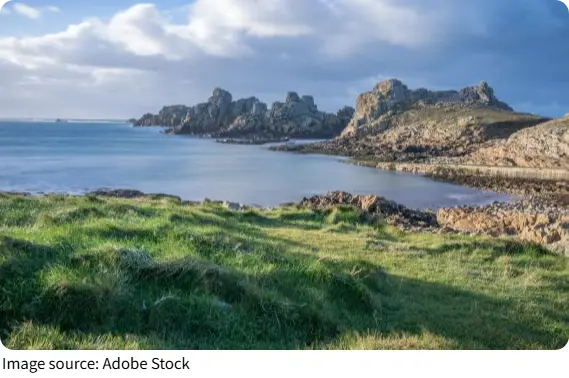
Good morning, trail friends! The Dévoluy Massif rewards hikers with huge limestone cirques, open pastures, and routes that feel spacious without requiring a technical climb.
Superdévoluy and La Joue du Loup make useful bases. Choose a route to match the weather, then leave room for lodging, local tax, transfers, and any lift or guide service.
Read the Limestone Landscape
The massif is shaped by pale limestone cliffs, grassy shelves, and high bowls that collect snow late. Pic de Bure is the best-known landmark, but lower cirque paths give strong views without a summit attempt. Official summer material lists walks from roughly 6 to 30 kilometres. Treat those figures as guides: surface, elevation gain, and heat change the effort. Start with a shorter loop, check the forecast, and carry a map.
Pick a Village Base
Superdévoluy has the largest concentration of services and suits families wanting lifts, shops, and simple trail access. La Joue du Loup feels quieter. A car gives flexibility between trailheads, while local shuttles may be seasonal.
Budget for fuel or a transfer from the nearest rail connection, then check whether your route uses a lift. There is no single massif ticket covering every activity. Tourist tax and cleaning charges may be added to apartment listings.
Compare Three Stays
A slope-view studio in Superdévoluy can appear near $55 per night in low-demand periods. It suits self-catering walkers, but small units may charge extra for linens or cleaning. La Tanière du Loup has appeared around $106 for a more home-like setup.
La Souloise has appeared near $143, offering a larger apartment-style option for shared living. Compare total cost, not the headline number. A nearby supermarket lowers meal costs, while a quiet outlying address may require a car.
Plan Safe Trail Days
Set out early because exposed pasture offers little shade. Solid shoes, sun protection, and extra water matter more than speed. Fog can flatten the landscape, so download route information and share your return time. After walking, keep an afternoon for a market, a slow meal, or a viewpoint drive. That flexible rhythm is part of the appeal: one day can be active and the next deliberately unhurried. Trail conditions deserve their own budget. Shoes, poles, a day pack, and a rain shell may be more useful than a longer route.
Ask the local office which paths are open after storms and whether a lift is operating. Families can use meadow loops near the village, while experienced walkers may link two cirques with an early start. Public transport is limited outside peak periods, so a shared taxi can be worthwhile when several people split the fare. Reserve apartments with a kitchen if you plan several hiking days; buying breakfast supplies locally is usually easier than carrying every meal. Keep a rest day for weather or a village event, because exposed limestone paths are less pleasant in strong wind.
Before booking, compare total cost rather than a headline rate. Check taxes, cleaning, parking, breakfast, and cancellation rules, then match the stay to your transport. Keep a small contingency for weather changes, extra fuel, and a meal near the trail. Download maps before departure, tell someone your route, and carry water even on a short walk. These modest preparations leave more time for the landscape itself and make the day calmer for everyone in the group. A slower schedule also creates room for local cafés, viewpoints, and unplanned pauses that often become the strongest memories of a journey.
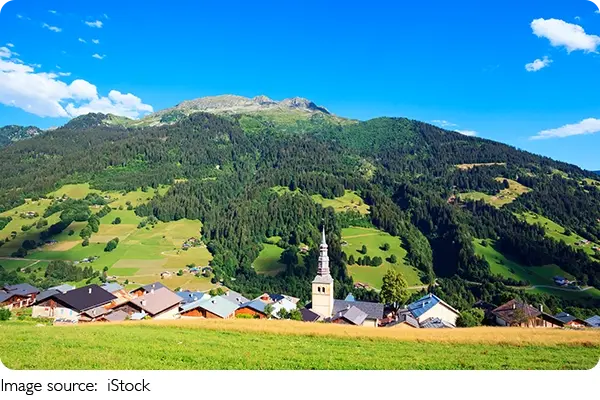
Keep your first and last outdoor hours conservative. Weather, road work, and transport delays are normal in mountain and fjord regions, so a spare hour can prevent a rushed decision. Travelers sharing a car should agree on fuel stops and meeting points. Those small choices protect energy for the view, the walk, and the quiet moments between major stops. A good Dévoluy trip balances dramatic cirques with realistic distances and a lodging choice that matches transport. Which sounds better: a compact slope-side studio or a quieter apartment with room to unwind?