Fiery Seafood Jjampong

Samir
| 09-11-2026
 · Cate team
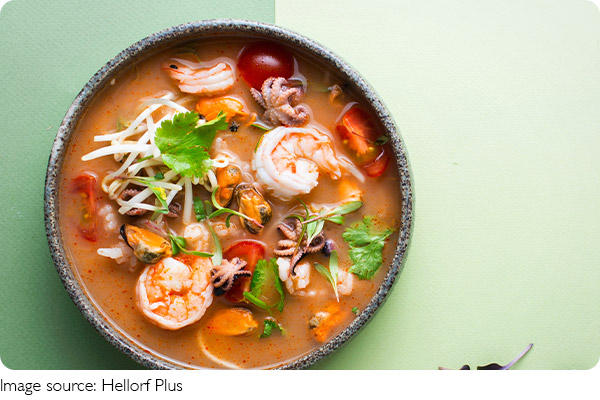
Lykkers, Korean seafood jjampong is the kind of meal that arrives looking dramatic and tastes even more energetic. Its vivid red broth combines chili heat with savory seafood flavor, while clams, squid, vegetables, and chewy noodles make every spoonful slightly different.
Despite its restaurant-style appearance, the dish follows a practical sequence: cook the aromatics and vegetables, develop the chili base, simmer the seafood briefly, then bring in the noodles. Timing matters because tender seafood and lively vegetables are far more enjoyable than ingredients simmered into submission.
Cook the Fiery Bowl
This recipe makes four generous servings. Prepare every ingredient before heating the pan because once cooking begins, the stages move quickly and the seafood should not wait around.
Ingredients
400 g fresh wheat noodles
500 g clams, cleaned
200 g squid, cleaned and sliced into rings
200 g peeled shrimp
2 tablespoons vegetable oil
3 garlic cloves, minced
1 teaspoon grated fresh ginger
1 small onion, thinly sliced
1 cup sliced napa cabbage
1 cup sliced bok choy
1/2 cup sliced carrot
1/2 cup sliced mushrooms
2 green onions, sliced
2 tablespoons Korean chili flakes
1 tablespoon Korean chili paste
1 tablespoon soy sauce
1 teaspoon sesame oil
6 cups seafood stock
1/2 teaspoon granulated sugar
1/4 teaspoon black pepper
1 teaspoon toasted sesame seeds
Step 1
Rinse the clams thoroughly under cold running water and discard any damaged ones. Prepare the squid, shrimp, and vegetables before beginning.
Heat the vegetable oil in a large deep pan over medium-high heat. Add the onion, garlic, ginger, and white portions of the green onions.
Cook for about 2 minutes, stirring frequently, until fragrant and slightly softened.
Step 2
Add the cabbage, carrot, and mushrooms. Cook for another 2 to 3 minutes so the vegetables begin to soften while retaining some texture.
Reduce the heat slightly and add the Korean chili flakes and chili paste. Stir continuously for about 30 seconds.
Add the soy sauce, sugar, and black pepper. Keep everything moving so the chili develops a deep aroma without scorching.
Step 3
Pour in the seafood stock and bring the mixture to a lively simmer.
Add the clams and cover the pan for 3 to 5 minutes, checking until they open. Discard any clams that remain closed after cooking.
Add the squid and shrimp, then simmer for another 2 to 3 minutes until the shrimp are opaque and the squid is just cooked.
Stir in the bok choy and sesame oil during the final minute.
Step 4
Meanwhile, cook the wheat noodles according to their package directions. Drain them thoroughly and divide among four deep bowls.
Ladle the red seafood broth over the noodles, distributing the clams, shrimp, squid, mushrooms, and vegetables evenly.
Finish with the green portions of the sliced onions and toasted sesame seeds. Serve immediately while the broth is steaming and the noodles still have their pleasantly springy texture.
Master the Jjampong Balance
A memorable jjampong is more than simply a very spicy soup. The broth should carry seafood depth, the chili should remain aromatic, and each ingredient should preserve its own texture.
Develop the Chili Base
Cooking the chili flakes briefly in oil is an important step because it releases their aroma and color before the stock arrives.
Keep the heat controlled during this stage. Chili flakes can scorch quickly, creating an unpleasant bitter flavor that extra stock will not magically repair.
Once the spices smell fragrant, add the liquid promptly. The resulting broth should look richly red while still allowing the seafood flavor to come through.
Keep Seafood Tender
Different seafood ingredients require different cooking times, so adding everything simultaneously is rarely ideal.
Clams need enough time to open, while squid and shrimp cook much faster. Adding the latter near the end protects their tender texture.
Once the seafood is ready, avoid prolonged simmering. Jjampong tastes best when the broth has depth but the seafood still feels fresh and delicate.
Give Vegetables Some Texture
Cabbage, carrots, mushrooms, and bok choy do more than make the bowl colorful. They contribute sweetness, texture, and freshness that balance the spicy broth.
Start firmer vegetables earlier and reserve delicate greens for the final minutes.
You want vegetables that have absorbed some broth while still retaining character. If everything becomes equally soft, much of the enjoyable contrast disappears.
Control the Heat Level
Korean chili flakes contribute both color and flavor, while chili paste brings additional depth and seasoning.
If you prefer moderate heat, begin with 1 tablespoon of chili flakes and taste the broth before adding more. For a stronger version, gradually increase the amount.
Adding extra chili is easy. Convincing an aggressively spicy bowl to reconsider its life choices is considerably harder.
Serve Noodles Immediately
Cook the noodles separately so their starch does not unnecessarily thicken the seafood broth.
Drain them just before serving and place them directly into warm bowls. Once covered with broth, noodles continue absorbing liquid, so jjampong should reach the table quickly.
For a larger meal, serve a simple cucumber salad or lightly seasoned greens alongside. Cool, crisp vegetables provide a refreshing contrast between spoonfuls of the hot red broth.
Lykkers, Seafood Jjampong brings together springy noodles, clams, shrimp, squid, vegetables, and a deeply flavored red chili broth in one satisfying Korean meal. Develop the chili base carefully, stagger the seafood according to cooking time, and keep the vegetables lively. Serve the noodles as soon as the broth is ready, and every bowl delivers the spicy, savory, seafood-rich contrast that makes jjampong so memorable.