Market Garden Crunch

Arjun Mehta
| 09-11-2026
 · Cate team
Lykkers, a colorful vegetable market is full of possibilities, but you do not need to bring every beautiful vegetable back to the kitchen. This fresh market salad focuses on ingredients that naturally work together: crisp cucumber, peppery radish, sweet carrot, juicy tomato, leafy greens, and fresh herbs.
Chickpeas add substance, while a lemon-herb dressing ties everything together without hiding the vegetables themselves. The result is crunchy, bright, and satisfying enough for lunch, yet simple enough for an ordinary weekday. Think of it as a practical way to turn a good market haul into one genuinely useful meal.
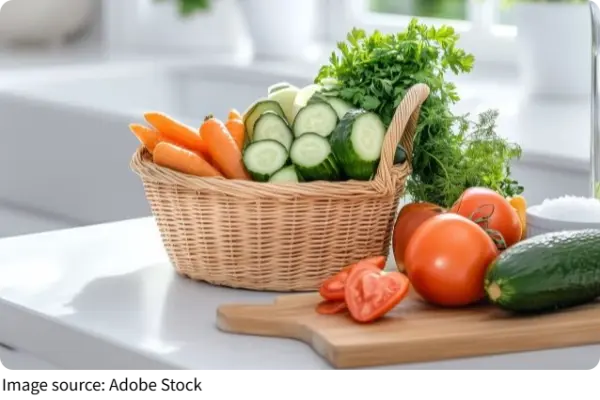
Turn Market Finds Into Lunch
This recipe makes four servings and celebrates vegetables with different textures rather than complicated cooking. Most ingredients stay raw, so careful washing, drying, and cutting matter. Once everything is ready, the salad comes together in minutes.
Ingredients
4 cups mixed lettuce leaves
1 cup cooked chickpeas, drained
1 large cucumber, diced
6 red radishes, thinly sliced
2 medium carrots, grated
2 medium tomatoes, diced
1 small yellow bell pepper, diced
3 green onions, thinly sliced
1/3 cup chopped fresh parsley
2 tablespoons sunflower seeds
For the dressing
3 tablespoons olive oil
2 tablespoons fresh lemon juice
1 teaspoon Dijon mustard
1 teaspoon honey
1 small garlic clove, finely grated
2 tablespoons chopped fresh dill
1/4 teaspoon sea salt
1/4 teaspoon black pepper
Step 1
Wash all the fresh vegetables thoroughly. Dry the lettuce well, then tear larger leaves into comfortable bite-sized pieces.
Dice the cucumber, tomatoes, and yellow pepper into similarly sized pieces. Thinly slice the radishes and green onions, then grate the carrots. Keeping the vegetables relatively consistent in size makes every serving easier to eat and prevents one ingredient from dominating each bite.
Step 2
Prepare the dressing by whisking olive oil, lemon juice, mustard, honey, garlic, dill, salt, and black pepper together in a small bowl.
Taste and adjust before adding it to the vegetables. If the lemon tastes particularly sharp, add a little more honey. If the dressing feels too mild, another small squeeze of lemon will brighten it.
Step 3
Place the lettuce, cucumber, radishes, carrots, tomatoes, yellow pepper, green onions, parsley, and chickpeas in a large mixing bowl.
Pour about two-thirds of the dressing over the vegetables. Toss gently until everything receives a light coating. You want the vegetables glossy and seasoned rather than swimming in dressing.
Let the mixture rest for about 3 minutes so the flavors begin to come together.
Step 4
Divide the salad among four bowls. Scatter sunflower seeds over each serving and spoon over the remaining dressing only if needed.
Serve immediately while the lettuce, cucumber, and radishes still have their freshest texture. If the salad needs to wait, keep the dressing separate and combine everything shortly before eating.
Shop Smarter at the Market
A vegetable market becomes much easier to navigate when you shop for a meal rather than simply collecting whatever looks attractive. Freshness matters, but variety in texture, flavor, and storage life matters just as much.
Choose Vegetables by Texture
A satisfying salad needs contrast. Combine tender leafy greens with vegetables that provide noticeable crunch, such as carrots, cucumbers, radishes, and peppers.
Tomatoes bring juiciness, while chickpeas provide a softer, more substantial element. Seeds finish the combination with a small amount of extra crunch.
You do not need ten different vegetables. Five or six well-chosen ingredients usually create a more balanced result than an overloaded bowl where individual flavors become difficult to notice.
Look Beyond Perfect Shapes
Good vegetables do not need to look identical. Carrots may curve, radishes may vary in size, and tomatoes may have slightly irregular shapes.
Instead, pay attention to freshness. Leafy greens should appear lively rather than wilted. Cucumbers should feel firm. Radishes should have a crisp texture, and carrots should feel solid rather than flexible.
For tomatoes, aroma is useful too. A ripe tomato often has a noticeable fresh scent near the stem.
Let the Season Guide You
This recipe is flexible enough to change throughout the year. If peppers are especially good, add more. When tomatoes are at their sweetest, let them become a larger part of the salad.
Cooler seasons might bring different options, including shredded cabbage or roasted root vegetables.
Working with what looks freshest makes more sense than forcing the exact same ingredient list every month. The dressing remains a useful base even when several vegetables change.
Store the Market Haul Properly
Different vegetables prefer different storage conditions, so placing everything together is rarely ideal.
Keep leafy greens dry and refrigerated in a covered container lined with a clean kitchen towel. Store carrots and radishes chilled, and remove leafy tops if they are still attached.
Fresh herbs last longer when kept slightly moist rather than soaking wet. Tomatoes with good flavor are often best kept at room temperature until ripe, then eaten relatively soon.
Make Tomorrow Easier
A little preparation after shopping saves considerable time later.
Wash and dry sturdy vegetables, prepare the dressing, and cook chickpeas ahead if you are starting with dried ones. Keep each component separate until you are ready to assemble the salad.
Lykkers, a green market offers more than attractive piles of produce. With a few crisp vegetables, leafy greens, chickpeas, herbs, and a lively lemon dressing, one market visit can become a fresh and substantial meal. Choose vegetables for flavor and texture rather than perfect appearance, store them carefully, and let seasonal produce guide small changes. The result is simple food that actually makes good vegetables worth bringing back to the kitchen.