Fuglefjorden by Ship

Liam Reilly
| 06-11-2026
 · Travel team
Fuglefjorden lies on the northwestern coast of Spitsbergen in Svalbard, far from Longyearbyen and the archipelago’s limited road system. Unlike the previous Fridtjovbreen guide, which focused on a guided snowmobile journey, this trip is about expedition cruising and small-boat exploration.
For Lykkers, the main decision happens before arrival: choose a voyage that explores northwest Spitsbergen and provides several days of flexible routing, because weather, sea ice, wildlife, and landing conditions determine exactly where the ship can go.
Choose the Right Voyage
Fuglefjorden is not a normal port with scheduled sightseeing boats. Reaching this remote fjord usually forms part of a multi-day expedition voyage around western or northwestern Spitsbergen.
Start From Longyearbyen
Longyearbyen is the practical gateway. Most expedition voyages embark there before travelling north along the west coast of Spitsbergen.
Do not plan Fuglefjorden as an independent day trip from town. There are no connecting roads, and the fjord lies far beyond the immediate Longyearbyen area.
For a first Svalbard expedition, look for an itinerary of roughly 7 to 10 nights concentrating on western and northwestern Spitsbergen. Longer voyages may continue around much more of the archipelago.
Read the itinerary carefully before paying. Fuglefjorden may appear as a possible location rather than a guaranteed stop. That is normal in Svalbard. Expedition leaders adjust routes according to sea ice, wind, visibility, wildlife activity, and safe landing conditions.
If visiting this exact fjord is your only reason for travelling, Svalbard is a poor match for a rigid checklist. If experiencing remote fjords, glaciers, mountains, and Arctic wildlife matters more than one named location, the trip makes much more sense.
Budget for the Whole Expedition
Expedition cruising is expensive because accommodation, transport through remote waters, meals, guides, and small-boat excursions are usually combined.
For planning rather than exact pricing, allow roughly EUR 4000 to 8000 per person for many week-long or slightly longer expedition voyages. Cabin category, ship size, departure date, and voyage length can push the price considerably higher.
Check what the fare includes before comparing two trips. Flights to Longyearbyen, travel insurance, specialist clothing, optional activities, and accommodation before embarkation may be separate.
Arrive in Longyearbyen at least one day before your ship departs. Two nights provide additional protection if your international journey involves several flight connections.
The extra hotel cost is preferable to missing an expedition because an incoming flight was delayed.
Prepare for Flexible Landings
Once the ship reaches northwest Spitsbergen, your daily schedule becomes deliberately flexible. That is a feature of expedition travel rather than poor organization.
Expect Small-Boat Exploration
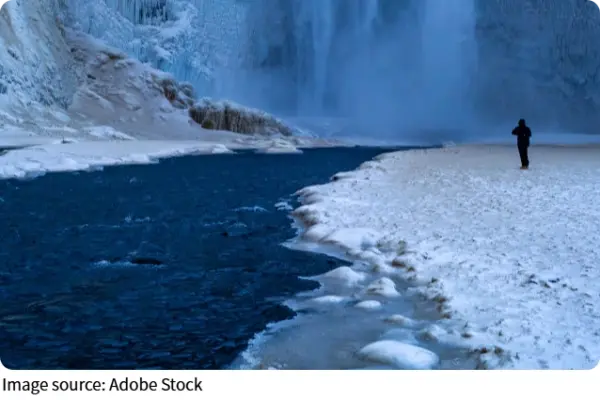
Fuglefjorden is surrounded by steep mountains and glacier landscapes. Depending on conditions, exploration may involve small inflatable boats, observation from the expedition ship, or a supervised shore landing elsewhere in the area.
A typical excursion away from the main ship may last around 1.5 to 3 hours. Exact duration depends on weather and what the expedition team finds that day.
Dress before leaving the ship rather than assuming you can return quickly. Wear thermal base layers, insulation, waterproof outer layers, gloves, a warm hat, and waterproof footwear.
Keep binoculars and camera equipment protected from spray. A waterproof dry bag or protective camera cover is more useful here than carrying a large amount of equipment.
Even during summer, sitting still in an open boat feels substantially colder than walking around Longyearbyen.
Never Explore Shore Independently
Svalbard requires a different attitude toward shore access because polar bears may occur throughout the archipelago.
Passengers should remain with the expedition team during landings. Guides assess the area, manage safe movement, and carry appropriate deterrent equipment. Never leave the group to obtain a photograph or walk toward a glacier.
Glacier fronts require similar discipline. Ice can break away unexpectedly and generate waves, so expedition boats maintain distances selected for current conditions.
The practical advantage of an organized voyage is that you do not need to make these safety decisions yourself.
Summer, particularly roughly June through August, is the main period for ship-based exploration of northwest Spitsbergen. Continuous daylight gives expedition teams considerable flexibility. A planned evening landing can move later when conditions are better.
Keep the day after disembarkation relatively flexible as well. Spending another night in Longyearbyen creates a cleaner exit than connecting directly from the ship to a tightly timed onward journey.
For most Lykkers, Fuglefjorden makes sense only as part of a 7 to 10 night expedition voyage exploring western or northwestern Spitsbergen. Start in Longyearbyen, arrive at least one day before embarkation, and budget roughly EUR 4000 to 8000 per person for many expedition itineraries before flights and additional travel expenses. Treat Fuglefjorden as a possible expedition location rather than a guaranteed scheduled stop because sea ice and weather control access. Once there, follow the expedition team for every landing and small-boat excursion, carry full waterproof and insulating layers, and judge the trip by the wider Arctic experience rather than whether one exact fjord appears on the final route.