Half Dome Summit Decision

Arvind Singh
| 10-11-2026
 · Travel team
Half Dome rises 8,800 feet above sea level and nearly 5,000 feet above Yosemite Valley. Reaching the summit requires a long wilderness hike followed by the famous cable section on steep granite. For Lykkers, the useful question is not simply how to reach the top.
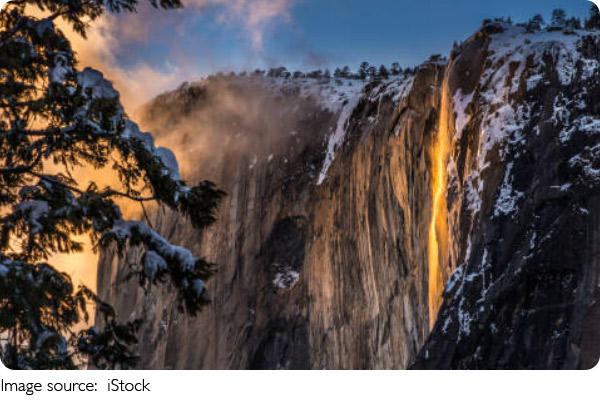
It is whether you should attempt it at all. The standard day hike covers roughly 14 to 16 miles return, gains about 4,800 feet, and normally requires 10 to 12 hours. Treat those numbers as the starting requirements, not ambitious targets.
Decide Before Applying
Half Dome requires more preparation than most Yosemite Valley hikes. The permit, physical effort, weather, and final cable ascent all need to work on the same day.
Understand the Permit First
When the Half Dome cables are installed, every hiker continuing beyond the base of the Sub Dome needs a permit.
Day-hike permits are distributed through a preseason lottery, normally held in March, plus a limited daily lottery during the cable season. The daily application is made two days before the intended hiking date.
Only 300 hikers per day are allowed beyond the Sub Dome, including roughly 225 day hikers and 75 backpackers. Winning a permit therefore should never be assumed when planning flights or accommodation.
The cables are normally installed around late May and remain available until around the second Monday in October, although actual dates depend on conditions.
If you do not receive a permit, do not treat that as a failed Yosemite trip. You can still hike toward Vernal Fall, Nevada Fall, or other legal turnaround points and see Half Dome from elsewhere in the park.
Budget 12 Hours, Not Eight
Most hikers need 10 to 12 hours for the complete route, and some need longer.
Start around sunrise or earlier. Happy Isles is the usual starting area, reached from parking near Curry Village or the trailhead parking area. The free valley shuttle serves Happy Isles, but very early hikers may begin before shuttle service starts and walk to the trailhead instead.
The route is approximately 14 to 16 miles return depending on the trail combination. Total elevation gain is about 4,800 feet.
Set a fixed turnaround time before leaving. Reaching the summit late is not a victory if several hours of descent remain.
Carry a proper headlamp plus spare batteries even when you expect to finish in daylight. A phone light is not an adequate substitute for several miles of trail after dark.
Prepare for the Cables
The final section determines whether Half Dome is suitable for you. The cables cover the last approximately 400 vertical feet and assist hikers up extremely steep granite.
Cancel When Granite Is Wet
Rain changes the decision immediately.
Wet granite becomes dangerously slippery, and lightning creates another serious hazard on exposed high terrain. If rain or thunderstorms threaten the summit period, turn around rather than waiting beside the cables hoping conditions improve.
Wear hiking footwear with excellent traction and bring gloves suitable for gripping the cables. Take your time, remain inside the cable route, and allow other hikers to move safely around you when practical.
If steep exposed terrain causes serious discomfort, Half Dome is probably the wrong objective. There is no easy alternative route around the cable section.
The cables are taken down outside the normal season. Attempting the route when they are down requires substantially different skills and should not be treated as an ordinary extension of the summer day hike.
Carry the Whole Day
There are no convenient food counters halfway to the summit. Carry enough energy, water, and layers for a full mountain day.
Water needs vary with temperature and body size, but several litres per person may be necessary on a warm 10 to 12 hour hike. Natural water must be properly treated before drinking.
Pack substantial food rather than relying only on small snacks. Eat regularly before you feel exhausted.
Yosemite weather also changes with elevation. Bring sun protection, an insulating layer, and rain protection even when the valley begins warm.
The hike itself has no separate attraction admission beyond the Half Dome permit process and normal Yosemite access costs, so accommodation often becomes the largest expense. Staying in Yosemite Valley is valuable because it removes a long predawn drive. Nearby lodging is competitive and often expensive, so reserve early when your travel dates are fixed.
If Half Dome is your main objective, spend at least two nights around Yosemite Valley. Arrive the previous day, sleep properly, hike the following morning, then stay another night rather than immediately beginning a long drive.
For travelers who mainly want the iconic profile rather than the summit, skip the permit challenge entirely. Glacier Point and several Yosemite Valley locations provide excellent Half Dome views with dramatically lower physical commitment.
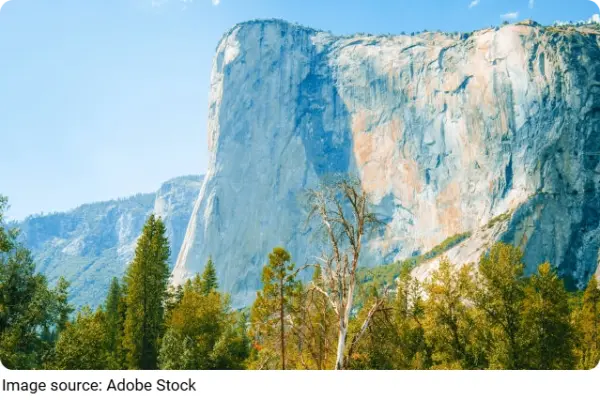
For most Lykkers, Half Dome should be attempted only when a 14 to 16 mile hike, about 4,800 feet of elevation gain, 10 to 12 hours of movement, and a steep cable ascent all sound manageable. Secure the required permit for the cable season, stay near Yosemite Valley, start around sunrise or earlier, carry several litres of water plus a headlamp, and establish a firm turnaround time. Never continue onto wet cables or into threatening weather. If the cable section exceeds your comfort level, choose a Half Dome viewpoint instead and keep Yosemite enjoyable rather than turning one summit into a test you do not need.