Tuscany Road Trip

Bianca
| 13-11-2026
 · Travel team
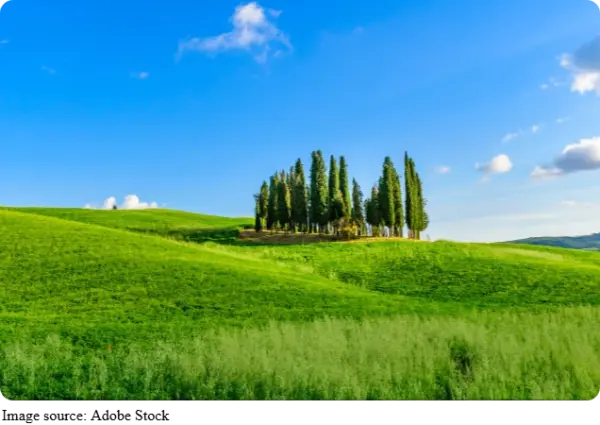
Hey Lykkers, have you ever seen a photo of a winding road climbing a hill, with two cypress trees standing like sentinels at the top, and thought, "That cannot be real?" It is. That exact scene is the essence of Tuscany, particularly in the Crete Senesi and Val d'Orcia areas, where the landscape feels almost too perfect to be natural.
The region is famous for these cypress-lined drives, medieval hill towns, and food that tastes like someone's grandmother is still in the kitchen. Here are six places to build a trip around.
The Cypress Roads of Val d'Orcia
This is the postcard you came for. The Val d'Orcia is a UNESCO-listed landscape of rolling hills, golden fields, and those iconic rows of cypress trees leading to farmhouses and hilltop villages.
The famous cypress avenue near San Quirico d'Orcia is a must-stop for photographers, and the roads around Monticchiello offer similar scenery with fewer crowds. Driving these roads is free, but you will need a rental car. A compact car for a day typically starts around US$40–60 depending on the season and provider. Go early in the morning for the softest light and the emptiest roads.
Pienza and Montepulciano
These two hill towns are the heart of the Val d'Orcia. Pienza is a Renaissance gem built by Pius II, famous for its pecorino cheese and the stunning views from its belvedere. Montepulciano is a historic town built on a ridge, with elegant streets and cellars where you can taste the local red. Both are walkable and compact. Parking outside the town walls is usually paid, typically US$1–2 per hour. Entry to the towns themselves is free, though individual chapels or museums may charge small fees.
Pienza
San Gimignano
Known as the "Medieval Manhattan," San Gimignano is famous for its surviving tower houses that pierce the skyline. It is a bit further north but worth the detour. Climb the Torre Grossa for sweeping views of the surrounding countryside, then grab a gelato in the main square. The town gets crowded during the day, so staying overnight or visiting late afternoon is a good strategy. Entry to the town is free, and climbing the tower costs roughly US$10–12.
Chianti for Olive Oil
Tuscany is not just about scenery; it is about what the land produces. In the Chianti region, you can visit farms and estates for olive oil tastings and food pairings. The Pruneti family in Greve in Chianti offers structured tastings where you learn to analyze olive oil like a pro. This is a slower, more educational experience than just ordering a drink at dinner. Tastings typically run US$30–50 per person depending on what is included. Book ahead, especially in harvest season.
Florence for a Day
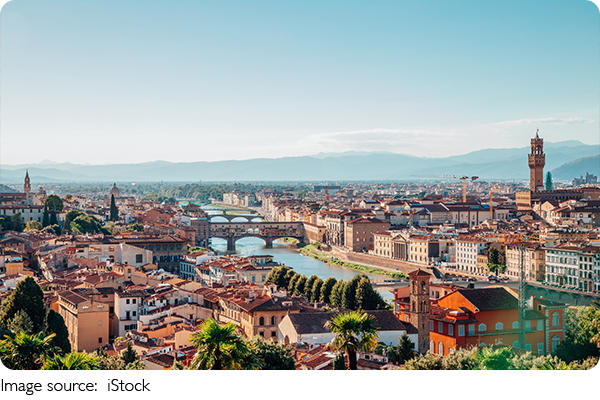
You cannot come to Tuscany and skip Florence entirely. The birthplace of the Renaissance is packed with art, architecture, and food. The Duomo and Ponte Vecchio are the obvious stops, but the real joy is wandering the streets and eating well. For a quick, affordable lunch, grab a schiacciata sandwich from a shop like All'Antico Vinaio, it is famous for a reason, and a generous sandwich costs around US$8 12. Museum entry varies widely, but many state museums are free on the first Sunday of the month.
Florence
A Countryside Agriturismo
For the full Tuscan experience, stay in an agriturismo—a working farm that offers accommodation and meals. Places like Agriturismo Le Mura in the Valdambra offer renovated farmhouses, panoramic pools, and restaurants serving food produced right on the farm. It is a different pace from hotels, and it puts you closer to the landscape you came to see. A room at a countryside agritourism often starts at around US$100–150 per night. Breakfast is usually included, and dinner is often available for an extra fee.
Final Thoughts
Tuscany rewards travelers who slow down. The cypress roads, the hill towns, the olive oil, and the long lunches are the point, not the checklist. Rent a car, pick a base in the countryside, and leave room for the unplanned detour. That is where the best memories are made.