Is It Easy to Drive?

Ravish Kumar
| 03-11-2026
 · Automobile team
Hello, let's get started. A lot of people judge handling by horsepower or by how a car looks sitting still in a showroom.
But the real question is simpler: does the car do what you ask without a fight? You don't need a track or a professional driver to find out. Ten minutes on a mix of roads will tell you most of what you need to know.
Steering that talks back
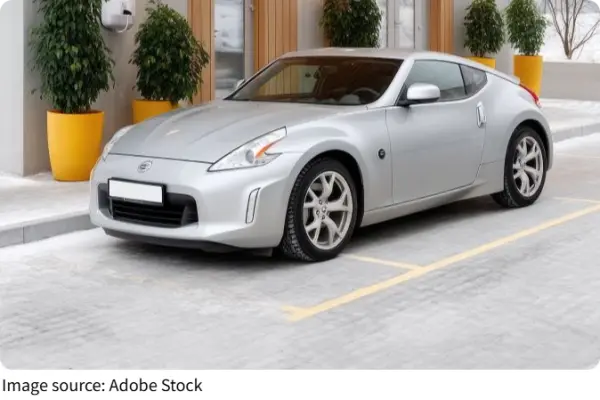
Good steering gives you information before you need it. On a straight road, the wheel should feel settled, not twitchy, and small inputs should produce small, predictable changes in direction. Take a Mazda MX-5 Miata: its steering is light but loaded with feedback, so you can feel the front tires loading up through a corner. A car with vague steering, by contrast, leaves you guessing where the wheels actually point. Test this at low speed first, then at 40 or 50 mph on a gentle curve.
Body control on real roads
Find a stretch with a few bumps and a corner you can take at normal speed. What you're watching for is how the body settles after a bump and how much it leans in a turn. A well-sorted car like a Honda Civic recovers in one clean motion. A poorly damped one keeps bobbing or feels floaty at highway speed. You want the car to feel planted, not stiff. Stiff is easy to build. Controlled is the harder job.
The brake and turn test
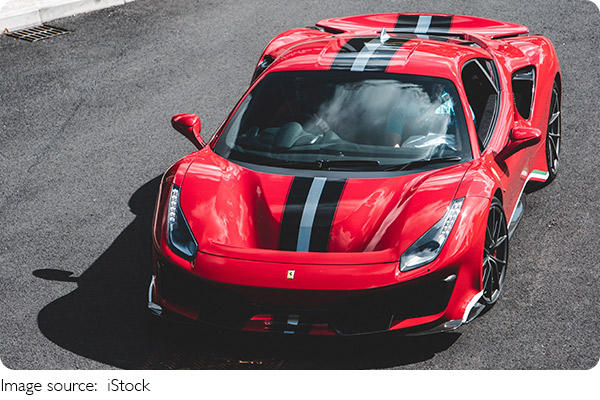
On an empty road, brake firmly from about 40 mph while steering slightly. Does the nose dive hard and the rear get light? Does the car stay pointed where you aimed it? A balanced car keeps its composure here. The Ford Mustang of the 1990s became famous for the wrong reason in this kind of test, and modern versions were reworked specifically to fix it. You're not looking for drama. You're looking for the absence of it.
Seating and sightlines matter
Handling isn't only suspension. If you can't see out or reach the pedals comfortably, you'll drive tensely and the car will feel worse than it is. Sit in it, adjust the seat, and check whether you can see the road ahead and the corners of the car. A Toyota Corolla gets this right for most body types, which is part of why it feels so easy to place in a parking lot.
Weight and response time
Lighter cars generally change direction faster. Compare a Mazda3 with a larger midsize sedan on the same roundabout and you'll feel the difference in how quickly each one rotates. But weight isn't everything. Tires, alignment, and suspension tuning shift the result a lot. A worn set of tires can make a well-engineered car feel sloppy, so check tread depth before you blame the chassis.
What a test drive should include
Ask for 20 minutes, not five. Cover a parking lot, a highway on-ramp, a rough side street, and one proper corner. Try a lane change at speed. Pay attention to how the car feels at the end of the drive, not the start. First impressions favor stiff and sporty. Real handling shows up when you're tired and the car still feels calm.
The short version: a car that's easy to control tells you what it's doing, settles after bumps, and stays pointed where you aim it. Specs won't reveal any of that. Next time you're shopping, book a longer drive and trust what your hands and seat tell you over anything printed on a sheet.