The Secret Bumper Vents

James Carter
| 03-11-2026
 · Automobile team
Have you ever noticed narrow openings near the outer edges of a car's front bumper? At first glance, they might look like decorative details or small cooling vents. However, on many modern vehicles, they serve a specific aerodynamic purpose.
Called air curtains, these openings help control the movement of air around the front wheels, reducing resistance as the vehicle travels. Although they are easy to overlook, they can contribute to better efficiency, smoother airflow, and a more comfortable driving experience.

What Are Air Curtains?
Air curtains are specially designed openings built into the front corners of a vehicle. They connect to channels inside the bumper, allowing incoming air to travel through the bodywork before emerging near the front wheel arches. Their main purpose is to guide air around the wheels rather than allowing it to become unnecessarily turbulent inside the wheel openings. This controlled stream of air creates a smoother path along the vehicle's sides.
The feature is different from an ordinary cooling vent. While some bumper openings direct air towards components that need cooling, air curtains are primarily designed to improve aerodynamic performance. Their exact shape and position depend on the vehicle's design, so not every small opening has the same function.
Why Front Wheels Create Air Resistance
To understand why automakers use air curtains, it helps to consider what happens when a car moves through the air. As the vehicle travels forward, air flows over its hood, beneath the body, and around its sides. The front wheels create a particularly challenging area for airflow. Unlike smooth body panels, wheels rotate continuously, disturbing the air around them. The wheel arches also create spaces where air can circulate and form turbulent patterns.
This disturbance increases aerodynamic drag, which is the resistance a vehicle experiences as it moves through the air. The harder a car has to push against this resistance, the more energy it needs to maintain its speed. Air curtains help manage the problem by directing airflow around the outer surfaces of the front wheels. Rather than allowing air to spread unpredictably through the wheel area, the system encourages a more organized flow along the sides of the vehicle.
How the Small Openings Work
The process begins when air reaches the front of the car. Some of it enters the narrow openings positioned near the bumper corners. Internal ducts then guide the airflow towards outlets located close to the front wheel arches. From there, the air moves around the outer area of the wheels and continues along the vehicle's sides. This stream helps reduce the disruption normally created by the rotating wheels.
The arrangement is carefully developed through aerodynamic testing. Engineers consider the size of the openings, the shape of the internal channels, and where the air should exit. Small adjustments can influence how effectively the system manages airflow.
Benefits Beyond Appearance
One important advantage of air curtains is their potential to improve vehicle efficiency. Reducing aerodynamic drag means the engine or electric motor has less resistance to overcome while the car is moving. Depending on the vehicle and driving conditions, this can help reduce energy consumption.
For conventional vehicles, improved aerodynamic efficiency may contribute to better fuel economy. For electric vehicles, reducing resistance can help preserve battery energy and support driving range. Air curtains can also contribute to a quieter cabin. By managing airflow around the front wheels, they may reduce some of the turbulence that contributes to wind-related noise. The overall effect depends on the vehicle's complete aerodynamic design rather than this feature alone.
Why More Automakers Use Them
Modern vehicle design increasingly considers efficiency alongside appearance, comfort, and performance. Air curtains offer manufacturers a way to manage airflow without covering the wheels or making major changes to the vehicle's overall shape.
They can be incorporated into different types of vehicles, including sports cars, sedans, SUVs, and electric models. Their appearance varies depending on the design. Some are visible as narrow vertical openings, while others are integrated more subtly into the bumper.
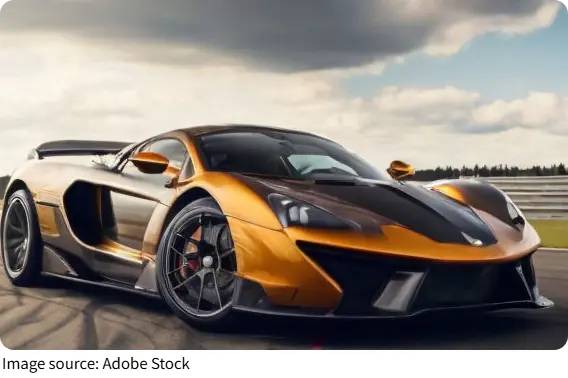
Small bumper openings can have a surprisingly important role in modern automotive design. Air curtains help guide airflow around the front wheels, addressing an area that can contribute significantly to aerodynamic resistance. The next time you notice small openings near a front bumper, they may be doing much more than adding visual character.