Power You Can Actually Use

Elise
| 03-11-2026
 · Automobile team
Hello, friends. A spec sheet tells you a car makes 300 horsepower, but it never tells you how that power arrives.
Two engines with identical peak figures can feel completely different on your morning commute, and the one that wins the brochure often loses the school run.
Torque low down beats peak power
The number that matters most in daily driving is torque at low and mid rpm, not the peak horsepower figure near redline. A turbocharged four-cylinder like the one in a Volkswagen Golf GTI delivers its pull from around 1,800 rpm, so you get usable acceleration pulling away from a junction without revving hard. A high-strung engine that only wakes up past 5,000 rpm feels flat in exactly the situations you meet most.
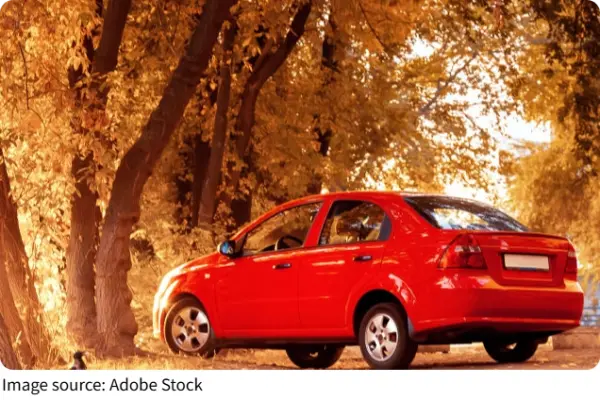
Linear throttle response wins
You want a throttle that responds the same way every time you press it. Naturally aspirated engines tend to deliver power in a smooth, predictable line, which is why a Mazda MX-5 with modest output still feels satisfying to drive at normal speeds. Turbo engines can be just as good, but only if the boost builds early and without a sudden surge. Drive one in stop-start traffic and you'll feel the difference in the first five minutes.
Avoid the lag trap
Turbo lag is the pause between pressing the pedal and feeling the push, and it's the single biggest complaint about small modern engines. Older turbo setups could take over a second to respond, which makes merging onto a busy road feel like a risk. Most current engines have largely solved this with small turbos and clever plumbing, but it's still worth testing. Find a quiet stretch and try a gentle, rolling acceleration from about 20 mph. If the car hesitates, then lunges, that's the lag you'll be living with.
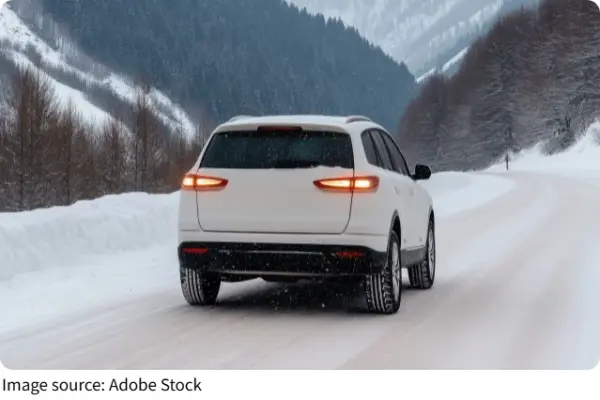
Enough power for the job
For a typical family car weighing around 3,000 to 3,500 pounds, roughly 180 to 250 horsepower is plenty for daily use. That range covers highway merging, overtaking, and a full load of passengers without straining. Below about 130 horsepower in a car that size, you'll notice the effort on steep hills and with the boot full. Way above 300 and you rarely get to use it, while paying more at the pump and on insurance.
Gearing shapes the feel
The gearbox and final drive ratio change how any engine feels far more than the headline figure suggests. A car with short gearing and 200 horsepower can feel quicker around town than a taller-geared one with 250. Automatic gearboxes vary too. A well-calibrated eight-speed in something like a Toyota Camry shifts early and keeps the engine in its strong zone, while a hesitant dual-clutch can stumble at low speeds. Test the gearbox in traffic, not just on an open road.
Refinement matters as much
Power delivery you can live with also means an engine that stays quiet and smooth when you're not asking much of it. A coarse, buzzy unit at 70 mph gets tiring on a long drive no matter how strong it is. Pay attention to how the car sounds and feels at a steady cruise, and whether it settles down calmly once you ease off.
The takeaway is simple. Look past the peak number and judge how the power arrives at the speeds you actually drive. Torque low down, a predictable throttle, and sensible gearing will do more for your daily comfort than an extra 50 horsepower ever will. Next time you test drive, spend the first ten minutes in slow traffic, not on the fast lane, and see how the car behaves when it's not trying to impress you.