Eyes Up, Rider

Declan Kennedy
| 03-11-2026
 · Automobile team
Welcome, and let's begin. A new rider locks onto the front tire and the ride gets worse, not better.
The bike feels twitchy, the corners arrive too fast, and every bump seems to grab the handlebars. That's not bad luck. It's where the eyes are pointed.
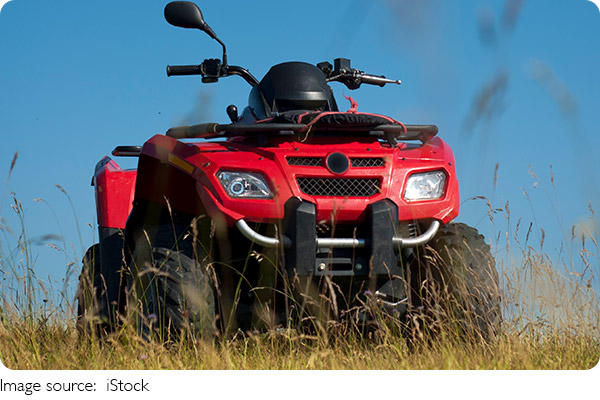
Target fixation starts with your eyes
The front wheel tells you almost nothing useful. It's the last thing to react and the first thing to distract you. Look down at it and your sense of speed and distance collapses, because you've removed the horizon your brain uses to judge both. Instructors at the Motorcycle Safety Foundation see this constantly in the basic rider course: a student staring at the front fender drifts wide in a slow-speed turn, then grabs the brake. The fix is simple and physical. Lift your chin, look at the far edge of the lot, and the bike follows.
Your hands inherit your focus
Where your eyes go, your grip follows. Stare at the wheel and your arms stiffen, your shoulders rise, and small inputs turn into big ones because you've lost the loose, relaxed hold that lets the front tire do its job. Watch a rider on a rough road who keeps looking at the pavement directly ahead, and you'll see the handlebars jolt their whole upper body. The same rider looking thirty feet up the road absorbs the same bumps with far less drama. The bike didn't change. The steering input did.
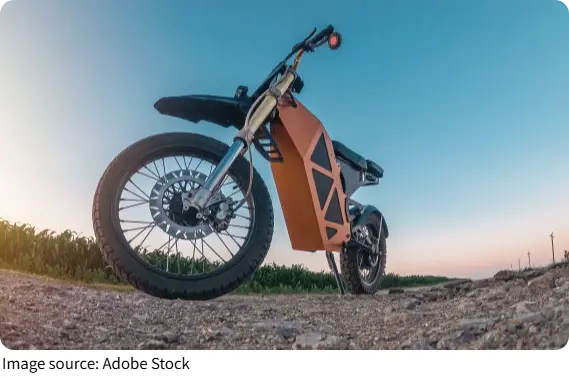
Corners reward the far exit
This is where the habit costs the most. In a turn, your eyes should be at the exit, not the apex and definitely not the front tire. Track riders call it looking through the corner, and it's the difference between a clean line and a wide one. If you fix on the apex, the bike tightens early and you run out of room at the exit. Look at where you want to be, and the natural countersteering input happens without you thinking about it. Keith Code built a whole training method around this single idea, and it still holds up.
Lane position comes from ahead
Scanning the road means reading the next several seconds, not the next several feet. Look for the car edging out of a driveway, the gravel patch on the shoulder, the wet shadow under an overpass. Those hazards are visible well before your front wheel reaches them, which is the only window you get to react. A rider who watches the wheel sees the gravel at the last possible moment. A rider who watches the road ahead sees it with time to spare.
Slow speed needs the same habit
Tight parking lot turns are where riders most want to stare down. Don't. Keep your head up and your eyes on where you're headed, and use the friction zone and rear brake to control speed instead of your gaze. Drop your eyes to the wheel in a full-lock U-turn and the bike dives. Keep them level and the same turn feels stable. Same bike, same speed, different target.
So the next time you catch yourself watching the front tire, just lift your chin and pick a point further down the road. Your hands will relax, the bike will settle, and the ride gets smoother without a single mechanical change. Try it on your next ride out and notice the difference.