Hill Start No Rollback

Amit Sharma
| 03-11-2026
 · Automobile team
Hello, and thank you for reading. A hill start looks simple from the sidewalk: stop, go, done.
But the moment you're the one holding a bike on a 15 percent grade with a car idling behind you, the gap between "simple" and "actually easy" shows up fast. The good news is that rollback isn't about bravery or luck.
It's about a specific sequence of controls, and once you practice it a few dozen times, your hands and feet handle it without much thought.
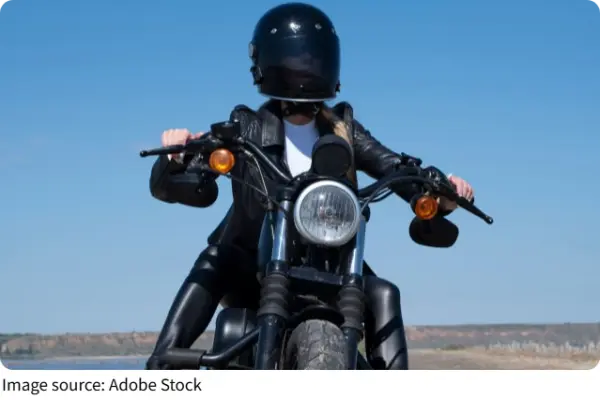
Why the rear brake is your anchor
You've probably been taught to hold the front brake at a stop, and on flat ground that's fine. On a hill, the rear brake does the job better. Squeeze the front brake and your right hand is busy, which means you can't roll on throttle when you're ready to move. The rear brake pedal frees your right hand completely. Keep your right foot firmly on it, and the bike stays put while your left hand works the clutch and your right hand prepares the throttle. On a steep incline, this single change removes most of the panic.
The friction zone does the real work
Most riders release the clutch too fast on a hill because they're worried about rolling back. Slow it down instead. Let the clutch out until you feel the bike tug forward slightly against the rear brake, that's your friction zone. Hold it there for a beat. You'll feel the engine load up and the rear suspension compress a little. That tension is the signal that the clutch is ready to carry the bike's weight. Only then do you release the rear brake. If you let go of the brake before that point, the bike rolls, and your instinct is to grab the front brake, which kills the launch.
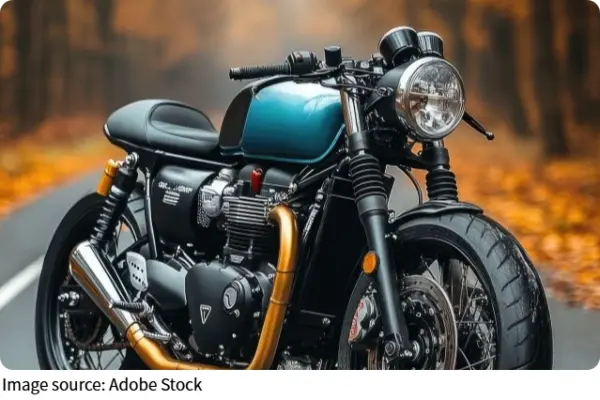
Throttle settings for different grades
A gentle slope needs barely more than idle. A steep one, say the kind you find on a San Francisco side street near Lombard, wants a noticeable amount of throttle before you let the clutch bite. A rough rule: the steeper the hill, the more throttle you hold before releasing the brake. Get this wrong in the low direction and you stall. Get it wrong in the high direction and the front wheel gets light. Roll on smoothly, don't snap the throttle open. The engine note should rise steadily, not jump.
Body position that buys you margin
Keep your right foot planted on the peg and your weight centered. Leaning forward over the tank helps keep the front wheel down when you launch hard on a steep grade. Some riders shift their body slightly to the left so their right foot can stay firmly on the brake pedal without straining. Don't put your foot down on the ground for balance unless you're stopped and settled. A foot on the pavement during the launch pulls your attention away from the clutch, and that's where rollback starts.
Practicing where nobody's watching
Find an empty incline, a parking lot ramp or a quiet residential street with a moderate slope. Stop halfway up, hold the rear brake, and practice the sequence: clutch to friction zone, throttle steady, release brake, ease out. Do it ten times in a row. Then do it on a steeper grade. The goal isn't speed, it's building the habit of never releasing the brake until you feel the bike pulling. Riders who practice this on a 10 percent grade handle a 20 percent grade without thinking about it.
When rollback still happens
It will, occasionally, especially on a grade you misjudged or with a passenger aboard. If the bike starts to roll back, don't grab the front brake hard. That pitches the weight forward and can drop the bike. Instead, squeeze the rear brake firmly and let the clutch back in slightly. The rear brake holds the bike while you reset. Then try again with a bit more throttle. A passenger adds weight, so expect to hold more throttle before the clutch engages. Same sequence, bigger numbers.
The whole skill comes down to one order of operations: rear brake on, clutch into the friction zone, throttle set, then release the brake. Practice that order on a quiet slope until it feels automatic, and the next steep street you meet won't be a problem. Give it a few reps this weekend and see how much steadier your launches feel.