Motorcycle Care Essentials

Camille Dubois
| 03-11-2026
 · Automobile team
A motorcycle offers convenience, flexibility, and an enjoyable way to travel. Whether we use it for daily commuting or weekend journeys, keeping it in good condition is essential.
Regular maintenance helps improve performance, reduce unnecessary wear, and make every ride more dependable. By developing a few simple habits, we can protect important components and enjoy a smoother riding experience.
1. Taking Care of the Engine
The engine is one of the most important parts of a motorcycle. Checking the engine oil regularly is essential because it lubricates moving components and reduces friction. Always choose oil that matches the manufacturer's recommendations and keep the level within the suggested range.
The air filter also needs attention. It prevents dust and small particles from entering the engine. When it becomes dirty, airflow may be affected. Clean or replace it according to the recommended maintenance schedule.
We should also inspect the fuel system occasionally. Check the fuel lines, filters, and connections for visible damage or blockages. Proper maintenance helps maintain a steady fuel supply.
2. Maintaining the Transmission System
The transmission system transfers engine power to the wheels. Its maintenance requirements depend on the motorcycle's design.
For chain-driven motorcycles, check chain tension regularly. A chain that is too loose or too tight can cause additional wear and affect performance. Clean and lubricate it when necessary, following the manufacturer's instructions.
For belt-driven motorcycles, inspect the belt for visible damage, unusual wear, and incorrect tension. Replace worn components promptly to prevent further problems. If your motorcycle requires gear oil changes, follow the recommended service intervals.
3. Checking the Braking System
A reliable braking system is essential for controlling a motorcycle. Brake pads gradually wear down through regular use, so inspect their condition periodically. Replace them when they become too thin or damaged.
Brake fluid also needs regular attention. Check that its level remains within the recommended range. Inspect brake lines and connections for leaks or visible damage.
If braking feels unusual, makes unexpected sounds, or becomes less responsive, arrange a professional inspection before riding again.
4. Caring for Tires and Suspension
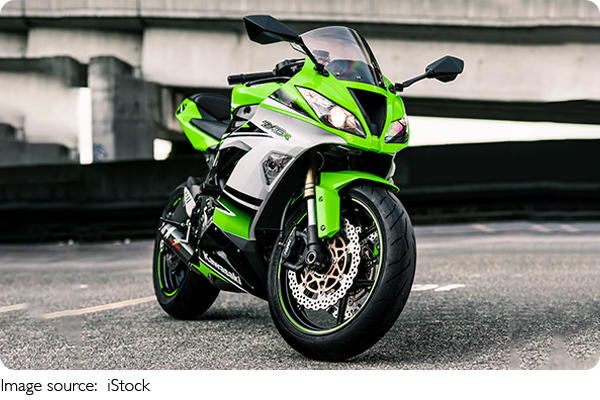
Tires influence grip, stability, and riding comfort. Check tire pressure regularly with a suitable gauge and follow the recommended specifications for your motorcycle.
Examine the tread for uneven wear, cuts, and other damage. Worn tires should be replaced promptly because their condition can affect handling, especially on wet roads.
The suspension system deserves attention too. Inspect shock absorbers and connecting points for visible damage or unusual movement. Properly maintained suspension supports stability and makes journeys more comfortable.
5. Developing Good Riding Habits
Daily riding habits can influence how quickly motorcycle components wear. In cold weather, allow the engine a short period to settle before setting off. Avoid sudden acceleration and harsh braking whenever possible.
Choose a suitable speed according to road conditions and your motorcycle's capabilities. Smooth acceleration, controlled braking, and steady cornering help reduce unnecessary strain.
Before each journey, take a moment to check the tires, lights, brakes, and general condition of the motorcycle. These simple checks can help identify potential problems early.
6. Cleaning and Proper Storage
Regular cleaning helps remove dust, mud, and accumulated dirt. It also makes it easier to notice scratches, leaks, or damaged components.
After washing, dry the motorcycle properly to prevent moisture from remaining in important areas. When it is not being used, store it in a dry, well-ventilated place. Avoid prolonged exposure to direct sunlight and rain.
For extended storage, consult the owner's manual for suitable preparation and maintenance instructions.
Final Thoughts
Motorcycle maintenance does not need to be complicated, but consistency matters. Regularly checking the engine, transmission, brakes, tires, and suspension helps keep essential components in good condition.
By combining routine inspections with careful riding, proper cleaning, and suitable storage, we can reduce unnecessary wear and identify problems before they become more serious. Following the manufacturer's maintenance schedule is also important. A little attention today can help keep a motorcycle reliable and enjoyable for many journeys ahead.
A Simple Guide to Motorcycle Maintenance (Watch Before Riding)
Video by Yammie Noob