Dirt Bike Riding Tips!

Sophie
| 04-11-2026
 · Automobile team
Dirt bike riding involves more than steering and controlling the throttle. The way you position your body can influence balance, handling, and how comfortably you respond to changing terrain.
Whether you are learning the basics or working to improve your riding technique, small adjustments to your stance can make a meaningful difference. Good habits also help you stay prepared for bumps, turns, and other challenges along the trail.
Build a Stable Riding Stance
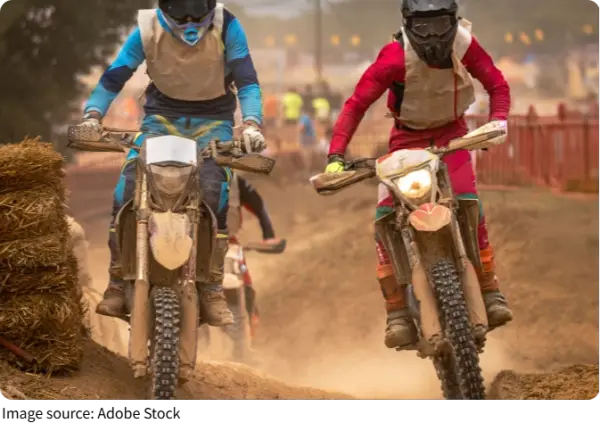
Standing on the footpegs is an important skill when riding over rough terrain. Bend your knees slightly instead of locking your legs straight. This flexible stance allows your legs to help absorb movement from bumps and uneven surfaces. Balance is just as important as posture. Before riding, you can practice standing on the footpegs while the bike is stationary and properly supported. Once comfortable, move to a safe, open area and practice riding slowly while maintaining a steady stance.
Avoid trying to perfect every movement at once. Focus first on keeping your body relaxed and centered, then gradually work on making small adjustments as you ride.
Place Your Feet and Hands Correctly
Foot placement affects how easily you can make adjustments while riding. Keep the balls of your feet on the footpegs when possible. This position provides a stable base and makes it easier to move your feet when using the controls. After shifting gears or braking, return your feet to the pegs rather than leaving them extended. Practicing this habit helps make your movements more consistent.
Your hands also need a balanced approach. Hold the handlebars firmly enough to maintain control, but avoid squeezing them too tightly. Excessive tension can lead to tired hands and restricted movement. Keeping your elbows slightly raised gives your arms more flexibility and helps you respond to changes in the trail.
Look Ahead and Lean Through Turns
Where you look can influence where the bike travels. Instead of concentrating directly in front of the handlebars, scan the trail ahead. This gives you more time to notice obstacles, changes in surface conditions, and upcoming turns. When cornering, look toward the exit of the turn rather than focusing on the ground immediately beside the front wheel. Your head and eyes help guide your direction.
Body movement is also important. Lean your body into the turn while keeping the motorcycle relatively upright, as the original riding guidance recommends. Pressing down through the outside footpeg can help maintain balance. Practice on a familiar, controlled course before attempting tighter or more demanding corners.
Use Your Arms and Legs to Absorb Impact
Your limbs help manage the movement created by bumps and small obstacles. Rather than keeping your arms and legs rigid, allow your elbows and knees to bend. This gives your body room to move with the motorcycle. Begin practicing on small, manageable obstacles in a suitable riding area. Increase the difficulty gradually as your control improves. Avoid attempting jumps or challenging terrain before you have developed the necessary skills and confidence.
Adjust Your Weight When Braking and Accelerating
Body position changes slightly depending on what the bike is doing. During braking, shifting your weight rearward can help maintain balance and reduce the tendency for the front end to become overloaded. When accelerating, leaning forward can help improve traction and keep your position controlled.
Practice smooth starts and stops in an open area. Focus on coordinating your body movement with the throttle, clutch, and brakes. Sudden inputs can make the bike harder to control, so build consistency before increasing your speed.
Practice Regularly and Wear Suitable Gear
Consistent practice helps riding movements become more familiar. Use a safe, familiar course to work on stance, foot placement, cornering, and controlled braking.
You can also vary the terrain gradually to become more comfortable adapting your position. Appropriate protective equipment is essential. A properly fitted helmet that meets recognized safety standards, goggles with suitable lenses, durable riding clothing, sturdy boots, and protective equipment for the chest, knees, and elbows all contribute to a safer riding setup.
Mental preparation can support physical practice, too. Before a ride, picture the correct stance and think about how you will approach turns or uneven sections. Staying focused and anticipating the terrain can help you avoid rushed movements.
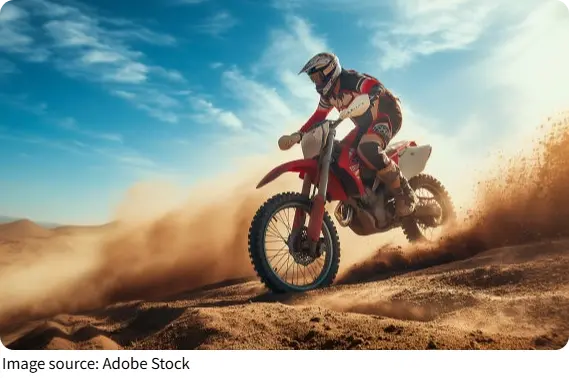
Take time to practice each skill in a suitable area, wear the right protective equipment, and check the tires, brakes, and chain before riding. Building strong habits gradually is a practical way to improve confidence and enjoy a more controlled riding experience.