Sports Cars Compared

Simone
| 04-11-2026
 · Automobile team
Sports cars and supercars are both designed to deliver exciting driving experiences, but they are not quite the same. They share features such as sleek body shapes, low profiles, powerful engines, and impressive acceleration.
However, their performance, engineering, prices, and intended purposes can be very different. Understanding these differences helps us appreciate what makes each category special, whether we prefer enjoyable weekend drives or dream of experiencing extraordinary speed.
What Is a Sports Car?
A sports car is designed primarily to make driving enjoyable. Its main qualities include responsive steering, balanced handling, strong acceleration, and attractive styling. Compared with ordinary passenger cars, sports cars often have lower bodies, wider stances, and carefully shaped designs that improve stability.
Sports cars come in several body styles. Some have two doors and two seats, while others offer four seats for additional passengers. Convertible models also allow drivers to open the roof and enjoy fresh air during suitable weather.
Handling is another important feature. Sports cars are developed to respond quickly to steering movements and maintain balance when changing direction. Their suspension systems often provide a more connected driving experience.
Many sports cars balance excitement with comfort, making them suitable for regular journeys and occasional longer drives.
What Makes a Supercar Different?
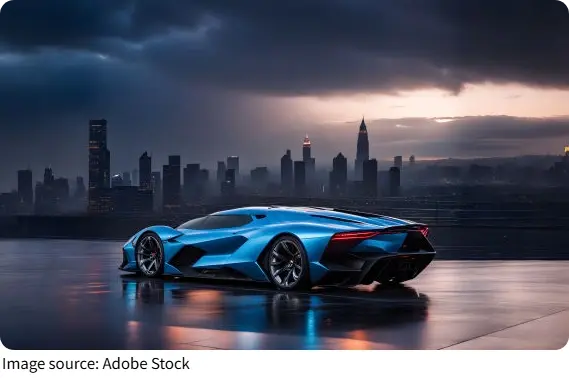
A supercar represents a more specialized level of automotive performance. It is generally built around exceptional speed, acceleration, advanced engineering, and distinctive styling.
Supercars often use highly developed engines that deliver substantial power and rapid acceleration. Some models can reach approximately 300–400 km/h, although actual top speeds vary between vehicles.
They also place great importance on weight management and aerodynamics. Their body shapes are carefully developed to manage airflow at high speeds. Certain models use lightweight materials and specially designed aerodynamic components to improve stability.
Most supercars have two seats, with the engine sometimes positioned behind the passenger area. This arrangement allows engineers to focus on performance while creating a distinctive design.
Performance and Speed
Performance is one of the clearest ways to compare these categories. Sports cars can offer excellent acceleration and enjoyable handling, but supercars generally aim for a higher level of performance.
A regular sports car may prioritize smooth power delivery and predictable responses. This makes it enjoyable on everyday roads with different traffic conditions and road surfaces.
Supercars are often engineered for extraordinary acceleration and higher maximum speeds. Advanced braking systems, suspension technology, and aerodynamic designs help manage their additional performance.
However, speed alone does not determine whether a vehicle is a supercar. Some sports cars are remarkably fast, while certain supercars focus on combining speed, precision, and driving control.
Price and Ownership Costs
Sports cars are available across a wide range of budgets, from relatively accessible models to expensive luxury vehicles.
Supercars generally occupy a much higher price category because of their specialized engineering, advanced materials, and high-performance components. Some also have limited production numbers.
Ownership costs can differ considerably. Insurance, maintenance, replacement parts, and specialist servicing may be more expensive for supercars. Sports cars are often more practical for drivers who want an exciting vehicle without taking on similar expenses.
Comfort and Everyday Practicality
Sports cars often provide a more balanced experience, with some models offering extra passenger space, useful storage, and comfortable driving settings.
Supercars usually place greater emphasis on performance and design. Their low ground clearance, firm suspension, limited storage space, and compact cabins can make ordinary journeys less convenient.
Parking ramps, uneven roads, and narrow entrances may also require additional attention. Nevertheless, some modern supercars include adjustable suspension and comfort settings that make everyday driving easier.
Which One Is Right for You?
The best choice depends on personal preferences and driving habits.
A sports car may suit drivers who enjoy responsive handling, attractive styling, and a balance between performance and practicality. A supercar is more suitable for enthusiasts who appreciate advanced engineering, exceptional acceleration, and remarkable performance capabilities.
Before choosing either type, consider your budget, parking space, maintenance expenses, and intended use. A test drive can also help you evaluate visibility, seating comfort, suspension, and steering response.

Final Thoughts
Sports cars and supercars share a passion for performance, but they serve slightly different purposes. Sports cars focus on enjoyable handling and everyday practicality, while supercars push performance and engineering toward a more specialized level.
There is no single price, engine size, or speed limit that separates every sports car from every supercar. The distinction comes from the complete package, including design, technology, performance, and driving experience. Ultimately, the best choice is the vehicle that matches your expectations and makes every journey enjoyable.
Sports Car vs Supercar vs Hypercar: What’s the REAL Difference?
Video by Smart_Plan