Supercar Seat Design

Finnegan Flynn
| 04-11-2026
 · Automobile team
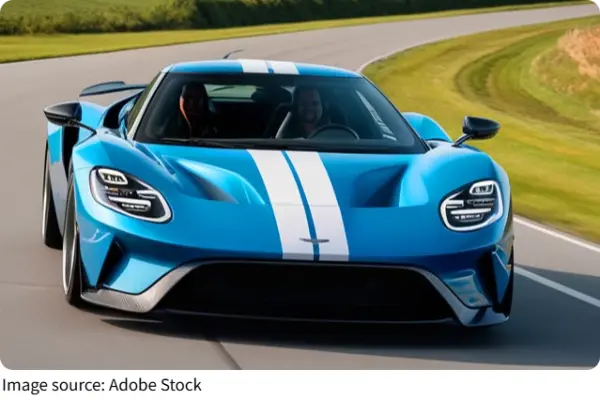
Supercars are famous for their striking shapes, powerful engines, and impressive performance. However, one detail is easy to notice: most have only two seats. Unlike ordinary passenger cars, which often accommodate four or five people, supercars usually carry just a driver and one passenger.
This design is not simply about appearance. It reflects important decisions about weight, balance, handling, safety, and aerodynamics. So, why do designers prefer two seats? The answer lies in what these vehicles are built to achieve.
1. Less Weight, Better Performance
One of the main reasons for choosing a two-seat layout is weight reduction. Every additional seat requires supporting structures, extra materials, and more interior space. Together, these additions can increase a vehicle's overall weight.
For a supercar, keeping weight under control is especially important. A lighter vehicle generally needs less effort to accelerate, stop, and change direction. It can also place less demand on its tires and braking system.
By removing the rear passenger area, designers can create a more compact cabin. This approach supports the main purpose of a supercar: delivering strong performance and responsive handling.
2. Better Weight Distribution
Weight distribution describes how a vehicle's total weight is spread between its front and rear sections. A well-balanced vehicle can feel more predictable when turning, accelerating, or slowing down.
Engineers carefully position major components, including the engine and transmission, to achieve the desired balance.
A two-seat cabin gives designers greater flexibility when arranging these components. Without a full rear passenger area, they have more freedom to position the cabin and mechanical systems according to the vehicle's layout.
This is particularly useful in supercars with engines positioned behind the driver. The compact structure allows engineers to focus on balance and handling.
3. A More Focused Driving Experience
Supercars are designed primarily for people who enjoy driving. Their cabins usually place the driver at the center of the experience, with controls, displays, and seating positions arranged for convenient operation.
A two-seat layout helps maintain this focused environment. The cabin does not need to accommodate additional passengers or provide the flexibility expected from a family vehicle.
It also allows designers to create a compact interior. For the passenger, the experience is more personal, with enough room for two people to enjoy the journey together.
Rather than prioritizing passenger capacity, designers concentrate on making the interior support the driving experience.
4. More Freedom in Exterior Design
The appearance of a supercar is closely connected to its engineering. Its low roofline, wide body, and carefully shaped surfaces influence how the vehicle moves through the air.
A two-seat configuration makes it easier to create a shorter cabin with a lower roof. Designers do not need to provide additional headroom and legroom for rear passengers.
This freedom supports a sleek profile and helps engineers develop aerodynamic features. Carefully shaped body panels and air openings can guide airflow around the vehicle.
The result is a compact shape that combines visual appeal with practical performance considerations.
5. Safety and Structural Considerations
Safety is another important part of supercar design. These vehicles must have carefully engineered structures to handle demanding driving conditions.
A two-seat cabin gives engineers a more straightforward interior layout. They can concentrate on seating positions, protective structures, seat restraints, and the space around occupants.
However, having only two seats does not automatically make a vehicle safer than one with four. Safety depends on many factors, including structural design, braking performance, restraint systems, and crash protection.
The seating arrangement is simply one consideration within a much larger engineering process.
6. Why Not Add Two More Seats?
Extra seats could make a supercar more practical for everyday use. However, rear passengers need sufficient headroom, legroom, and comfortable access.
Providing these features would change the cabin's dimensions and potentially affect the vehicle's weight and proportions.
There are exceptions. Some high-performance sports cars offer four seats or small rear seating areas. These vehicles show that performance and additional passenger space can coexist.
However, traditional supercars generally prioritize speed, handling, and compact proportions over passenger capacity.

Final Thoughts
The two-seat design of most supercars reflects several connected engineering decisions. Reducing weight, improving balance, creating a focused driving environment, and maintaining aerodynamic proportions all influence the final layout.
Although additional seats could improve practicality, they would also introduce different design challenges. For manufacturers focused on performance, two seats often provide a suitable balance between engineering goals and driving enjoyment.