Rear Wing Benefits

Vivienne
| 04-11-2026
 · Automobile team
A sports car's rear wing is more than a stylish feature. It plays an important role in how the vehicle behaves at high speeds. Mounted above the trunk or integrated into the rear bodywork, this component helps manage airflow and improve stability.
Its shape, size, and angle all influence performance. But how does a rear wing work, and why do so many sports cars feature one? Understanding its main functions reveals the importance of this carefully designed component.
1. Creating Downforce
One of the main purposes of a rear wing is to create downforce. When a sports car travels quickly, air moves around its body and can produce upward aerodynamic forces. These forces may reduce the pressure between the tires and the road, affecting stability.
A properly designed rear wing generates downward force at the rear of the vehicle. This is known as downforce. It pushes the car toward the road, helping the tires maintain better contact with the driving surface.
This added pressure can make a noticeable difference at high speeds. The rear of the vehicle can remain more firmly planted, reducing the feeling of instability and helping drivers maintain better control.
2. Improving Cornering Grip
A rear wing also contributes to cornering performance. When a sports car enters a turn, its tires need enough grip to maintain the intended direction. If the vehicle becomes unstable, controlling its movement can become more difficult.
Downforce increases the pressure on the rear tires, supporting their grip on the road. This helps the vehicle remain balanced when moving through a fast corner.
However, the rear wing does not work alone. Tires, suspension components, and overall vehicle design also influence cornering ability. Engineers consider these elements together to create a balanced driving experience.
For drivers, the benefit is not simply about taking turns faster. It is also about making the vehicle feel more predictable when changing direction.
3. Managing Airflow
As a sports car moves forward, air travels over, underneath, and around its body. When this airflow reaches the rear, it can become turbulent and create additional aerodynamic resistance.
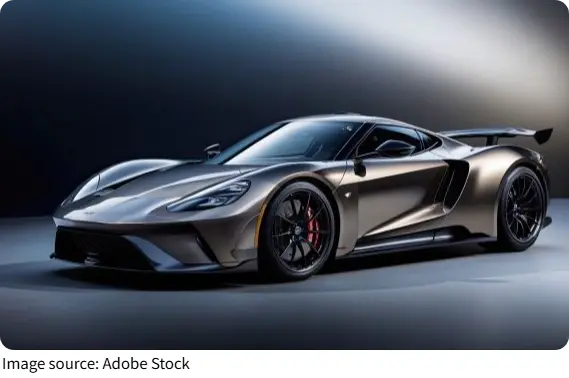
The rear wing helps guide and manage airflow around the back of the vehicle. Its carefully designed surface and angle influence how air moves as the car travels.
However, a rear wing does not automatically reduce drag. Generating downforce usually creates additional air resistance. Engineers must therefore find a suitable balance between stability and efficiency.
This balance is important because sports car performance depends partly on how effectively the vehicle moves through the air.
4. Balancing the Vehicle
A sports car needs balanced aerodynamic performance so that it responds smoothly to steering inputs. If the front and rear aerodynamic forces are not properly matched, the vehicle may feel less predictable during high-speed driving.
A rear wing helps engineers adjust this balance by adding downforce to the rear section. Its angle and position influence how much downward force it produces.
A larger or more steeply angled wing may generate greater downforce, but it can also increase drag. Finding the right setup depends on the vehicle's shape, weight distribution, and intended performance.
5. Different Rear Wing Designs
Not every sports car needs the same type of rear wing. Some feature small designs that blend naturally into the bodywork, while others have larger, more noticeable structures.
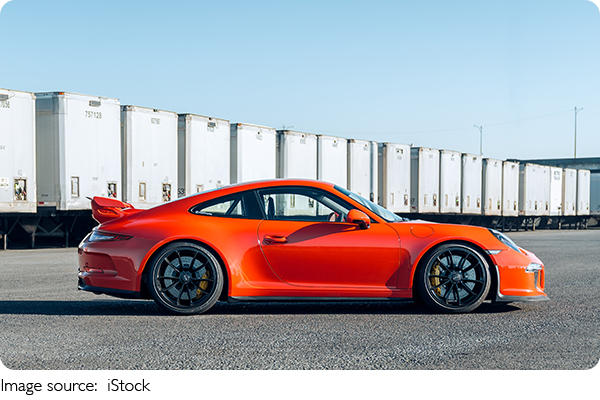
A road-focused sports car may use a subtle wing that supports stability without creating unnecessary resistance. A performance-focused model may feature a larger adjustable design to provide more control over downforce.
Adjustable rear wings can change their angle according to driving conditions or selected settings. This allows engineers to create different aerodynamic setups for different situations.
The appearance of a wing is only one part of its design. Its real value comes from how effectively it works with the rest of the vehicle.
Final Thoughts
A sports car's rear wing serves several important purposes. It creates downforce, supports tire grip, manages airflow, and contributes to aerodynamic balance. Although it may look like a simple addition, its design requires careful consideration of stability, resistance, and overall performance.
The next time you see a sports car with a rear wing, look beyond its appearance. This component is an important part of vehicle engineering, helping create a more stable and controlled driving experience.
Rear Wings on FWD Cars - Why they may actually be a good idea...
Video by KYLE.ENGINEERS