Wide Tires, Real Gains

Simone
| 04-11-2026
 · Automobile team
Welcome to today's article. A sports car's wide tires look aggressive, and plenty of people assume the width alone is what makes the car fast.
But the real story is more specific than that. Width buys you contact patch and heat capacity, and those two things do most of the work, though only up to a limit.
More rubber, more contact
A wider tire puts more rubber on the road, so the contact patch grows. That patch is where every bit of cornering force, braking force and acceleration passes into the pavement. Take a Porsche 911 Carrera on its standard 245-section front and 305-section rear tires and swap to something narrower, and you'll feel the difference in how early the front end gives up in a tight corner. The extra width doesn't magically raise grip, it spreads the load across more area so each square inch works less hard.
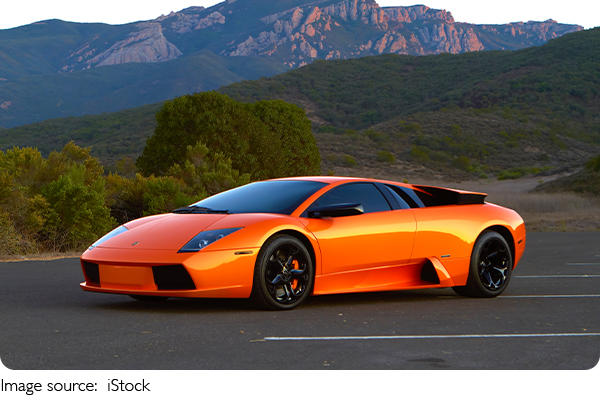
Heat is the real currency
Here's the part people skip. A tire's grip fades as it overheats, and a wider tire has more mass and surface area to absorb and shed that heat. On a track day at Laguna Seca, a narrow tire can go off after a few hard laps while a wider one keeps its composure longer. That's why serious track cars run 305 or 325-section rubber at the rear. The width buys you consistency, not just a peak number.
Braking and launch gains show up first
The clearest, most measurable advantage is under braking and off the line. More contact patch means shorter stopping distances and less wheelspin on launch. A Chevrolet Corvette Stingray with its wide rear tires hooks up on a hard launch in a way a narrower setup simply won't. You feel it immediately, before you even think about cornering speed.

The gains taper, and weight bites back
Wider isn't infinitely better. Past a point, the extra rubber adds unsprung mass and rolling resistance, and the tire can start to feel sluggish to steer. A 345-section rear on a car that doesn't need it just drags the front end around. Tire engineers balance width against the car's weight and power for exactly this reason. Too much width on a light car can actually slow you down.
What you actually notice
In daily driving, the difference is subtle. You'll notice it most in wet weather, where a wider tire can hydroplane sooner because it has more area to trap water. On dry pavement, the wide setup shines in hard cornering and braking, which is where you'll feel the investment pay off. Just don't expect a dramatic transformation on a casual weekend drive.
So the next time you see a sports car with massive rear tires, remember it's not just style. Width buys contact patch, heat capacity and launch grip, and those are real, measurable gains. Match the tire to the car and the use, and you'll feel the difference where it counts.