Sudden Slowdown Ahead

Mukesh Kumar
| 04-11-2026
 · Automobile team
Welcome, everyone. You're cruising at highway speed, the road is clear, and then the brake lights in front of you come on hard.
The distance between you and that car starts shrinking faster than your brain wants to process. What you do in the next two seconds matters more than anything you did in the last twenty minutes.
Lift Off Before You Brake
When you see brake lights ahead, your first move is not to slam the pedal. It's to lift off the accelerator immediately. That single action starts shedding speed and buys you a fraction of a second to read the situation. On a 70 mph highway, lifting off can drop you 5 to 10 mph before you even touch the brake, and that gap is often what separates a near miss from a collision. Your eyes should already be scanning two or three cars ahead, not just the one directly in front. Drivers who watch the car immediately ahead only react to the first brake light. Drivers who watch the traffic flow three cars deep react to the cause.
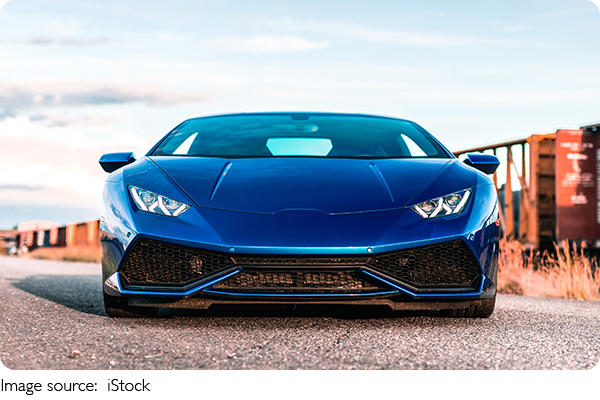
Brake Firmly, Not Panic Hard
Once you commit to braking, press firmly and progressively. Modern cars with anti-lock brakes will handle the modulation for you, so you don't need to pump the pedal. What you want to avoid is a full panic stomp that locks your focus on the bumper ahead and kills your ability to steer. Firm, controlled pressure keeps the car balanced and leaves you options. If the car behind you is tailgating, a hard stop can turn into a rear-end hit, so check your mirror as you brake and leave yourself an escape lane if one exists.
Keep a Gap You Can Actually Use
The three-second rule is not a suggestion. At 65 mph, a three-second gap is roughly 95 meters, and that's the distance that lets you react and stop without drama. Most drivers run closer to one second on busy highways. The fix is simple: pick a fixed object ahead, like an overhead sign or a bridge, and count how long it takes the car in front to pass it. If you reach it in under three seconds, you're too close. Drop back and reset. This one habit prevents more highway incidents than any braking technique.
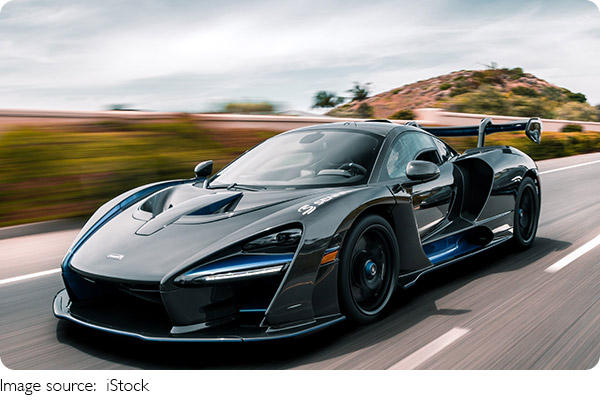
Watch for the Chain Reaction
A sudden slowdown rarely comes from one car. It ripples backward through traffic, and each driver reacts a beat later than the one ahead. The car two positions up may brake, then the car directly ahead, then you. If you're watching the whole chain, you'll see the wave coming before the car in front of you even lights up. That's why highway pileups often involve a dozen vehicles: everyone is reacting to the bumper in front instead of the pattern forming ahead. Keep your eyes moving and treat every cluster of brake lights as a signal to start slowing early.
Know Your Exit Before You Need It
Sometimes the safest move is not to stop at all. If traffic ahead is compressing and you have a clear lane to the right or a hard shoulder, moving out of the slowing pack can be the right call. But only if you've checked your blind spot and confirmed the space is real. Do not swerve into a lane you haven't verified. A quick mirror check and a shoulder glance take half a second and prevent the kind of sideways collision that turns a slowdown into a wreck.
What to Do After You Stop
If traffic comes to a full halt, keep your foot on the brake so your brake lights stay lit for the car behind. Leave a gap of about one car length between you and the vehicle ahead, so you have room to maneuver if someone comes in hot from behind. Turn on your hazard lights if the stop is sudden or the traffic behind is dense. And once you're moving again, resist the urge to accelerate hard to make up lost time. The slowdown will likely repeat a mile down the road, and smooth driving keeps you out of the next one.
The whole sequence comes down to one habit: look further ahead than the car in front of you. Lift off early, brake firm and controlled, keep a gap you can measure, and watch the traffic pattern rather than a single bumper. Next time you're on the highway and those brake lights flash, you'll already know what to do before your foot moves.