Auto Gearbox, Real Roads

Caroll Alvarado
| 04-11-2026
 · Automobile team
Hi, readers. Most drivers put an automatic in D and forget the shifter exists until the car needs a service.
That works fine on a flat highway. It stops working the moment the road tilts, the traffic crawls, or the surface turns to gravel.
Hills want a lower gear
Steep descents are where D quietly lets you down. The box upshifts to save fuel, the car speeds up, and you end up riding the brakes for a mile or more, which heats the discs and fades them. Instead, drop into L or the manual gate and hold second or third. On a long grade like the Grapevine north of Los Angeles, engine braking keeps the speed steady without touching the pedal. Most automatics will hold a gear if you select it, and the tach sitting around 3,000 rpm is normal, not a problem.
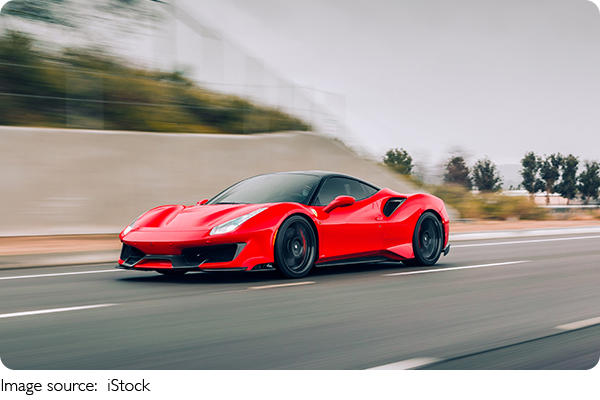
Stop-and-go has its own rules
In bumper-to-bumper traffic, a torque converter creeps the car forward without throttle, so you can often just ease off the brake and roll. Do not ride the brake and the accelerator together to hold position on a slight incline. Use the handbrake or the hill-hold function if your car has one. And if a stop lasts more than a minute, a lot of modern boxes, the ZF 8-speed in a BMW for instance, drop into neutral automatically to save fuel.
Snow and gravel reward a light foot
Loose surfaces are where a delicate right foot matters more than any button. Many automatics have a winter mode that starts the car in second gear, cutting wheelspin on packed snow. If yours does not, select second manually. Keep the throttle steady and avoid sudden lifts, because engine braking on ice can break traction. On gravel, hold a gear and let the revs stay constant rather than letting the box hunt up and down.
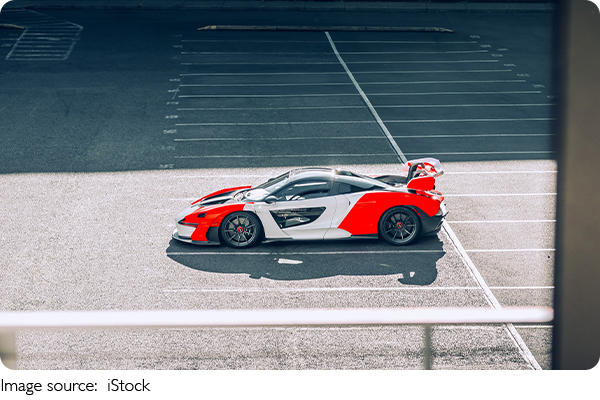
Highway passing needs a plan
An automatic downshifts when you floor it, but there is a lag while it decides. On a two-lane road, use the manual gate or paddle to drop a gear before you pull out, so the car is already in the right range. That half-second of preparation is the difference between a clean pass and an aborted one.
The gearbox is a tool with more than one setting, and knowing when to use the others is what separates a smooth drive from a nervous one. Next time a hill appears, reach for the lever instead of the brake.