What Really Affects Your MPG

James Carter
| 06-11-2026
 · Automobile team
Welcome, and let's begin. Two drivers run the same car on the same commute and one gets 28 mpg while the other gets 22.
Nothing is broken. Fuel economy is a stack of small variables, and most of them are things you can actually adjust once you know what they are.
Your right foot sets the ceiling
Aggressive driving is the single biggest lever most people ignore. Hard acceleration from every stop and late braking into every light can cut fuel economy by roughly 15 to 30 percent on the highway and even more in city traffic. The EPA's own testing shows that gentle acceleration and steady cruising pay off immediately. Try holding the throttle like there's an egg under it for one tank and watch the number move.

Speed costs more than you think
Aerodynamic drag rises with the square of speed, so the jump from 60 to 75 mph is not linear. Most cars hit their efficiency sweet spot somewhere between 45 and 60 mph. Above that, you're paying a real penalty per mile. On a long highway run, dropping 5 mph often gains 2 to 3 mpg with barely any time lost.
Tires quietly steal fuel
Underinflated tires flex more and roll harder. The Department of Energy estimates that properly inflated tires can improve fuel economy by around 3 percent, and low pressure on all four can cost you more. Check them cold, once a month. Tire choice matters too: a wide, sticky performance tire has higher rolling resistance than a narrow all-season, and that shows up at the pump.
Weight and drag add up fast
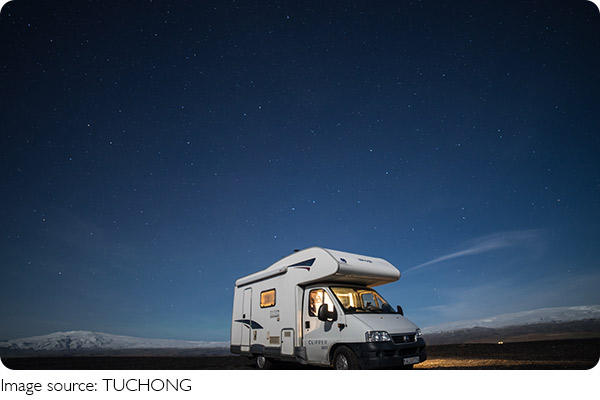
Every 100 pounds of extra weight shaves roughly 1 percent off your fuel economy, so a trunk full of tools or a permanently loaded roof rack has a running cost. Roof racks are worse than weight alone because they disturb airflow. A cargo box left on all year can cost several mpg on the highway. Take it off when the trip is over.
Cold weather runs rich
Engines take longer to reach operating temperature in winter, and cold oil is thicker. Short winter trips are the worst case: the engine never warms up, so it stays in its fuel-heavy warm-up phase. Fuel economy on a 20-degree morning can drop 10 to 20 percent versus a mild day, and short city errands feel it most.
Idling burns fuel for zero miles
Idling gets you exactly zero mpg. Letting a car warm up for ten minutes in the driveway or sitting in a pickup line with the engine running burns fuel you never use. Modern engines don't need long warm-ups. Start it, let the oil circulate for 30 seconds, and drive gently. If you're stopped for more than a minute, shut it off.
Maintenance keeps the math honest
A dirty air filter, worn spark plugs, or a failing oxygen sensor all push the engine out of its efficient zone. A stuck thermostat can keep the engine running cold and rich. Follow the maintenance schedule in your manual, and if your mpg suddenly drops 3 or 4 points with no driving change, get the sensors checked before you blame your commute.
The takeaway is simple: your driving style and your tire pressure are the two things you can change this week, and together they're worth more than any additive on the shelf. Next time you fill up, do the math by hand once and see what your car is really telling you.