Automatic or Manual?

Owen Murphy
| 06-11-2026
 · Automobile team
Hello there, readers. Every car sends power from the engine to the wheels, and something has to decide when to switch gears.
In an automatic, a computer and hydraulic controls handle that job. In a manual, you do it yourself with a clutch pedal and a gear lever. That single difference shapes how the car feels, how much it costs, and how you drive it every day.
Who actually does the shifting
A manual gearbox is a set of gears you select by hand, usually five or six forward speeds plus reverse. Press the clutch, move the lever, release, and the engine connects to a new ratio. An automatic does the same work with a torque converter and a valve body, or in newer cars a dual-clutch setup, choosing gears based on speed and throttle. You just press the accelerator. That's the whole core of it.
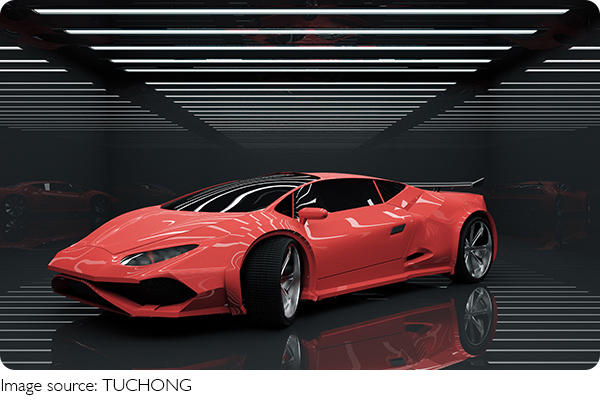
The clutch pedal changes everything
In a manual, the clutch pedal is your control over engagement. Release it too fast in first gear and the car lurches or stalls. An automatic has no clutch pedal at all, so stop-and-go traffic in a Honda Civic automatic is just brake, gas, brake. The same Civic with a manual asks your left leg to work the clutch maybe fifty times in a mile of congestion. That's the trade: more control, more effort.
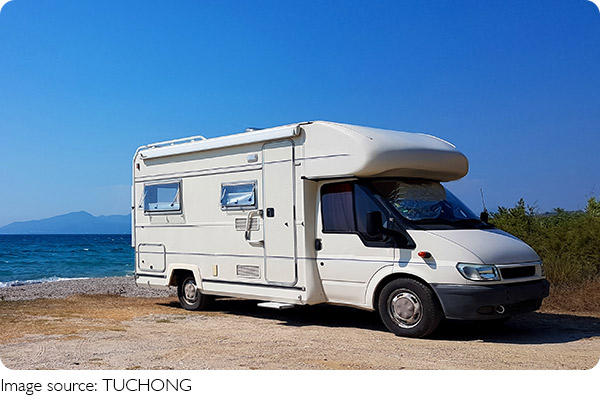
Cost and upkeep differ
A manual transmission is mechanically simpler, and replacing a clutch typically runs several hundred dollars once, often past 60,000 miles depending on how you drive. Automatics cost more up front and a fluid service or rebuild can run into four figures. Manuals also tend to return slightly better fuel economy in older models, though modern automatics with eight or more speeds have largely closed that gap.
Control versus convenience
A manual lets you hold a gear on a long downhill grade, using engine braking instead of riding the brakes. You pick the ratio before a corner, not after. An automatic removes that decision entirely, which is why most drivers in heavy traffic prefer it. Neither is better in every situation. A Mazda MX-5 with a stick rewards a driver who wants involvement; a Toyota Camry automatic rewards someone who just wants to arrive relaxed.
What to check before you buy
Drive both versions of the same model if you can. Pay attention to clutch weight in the manual and to how quickly the automatic downshifts when you ask for power. Check whether the manual needs a new clutch soon, and ask when the automatic last had its fluid changed. Those two questions catch most of the expensive surprises.
The real difference isn't which gearbox is superior. It's whether you want the car to handle shifting or you want that job yourself. Drive a manual once in traffic and once on an open road, and you'll know which side you're on pretty quickly.